

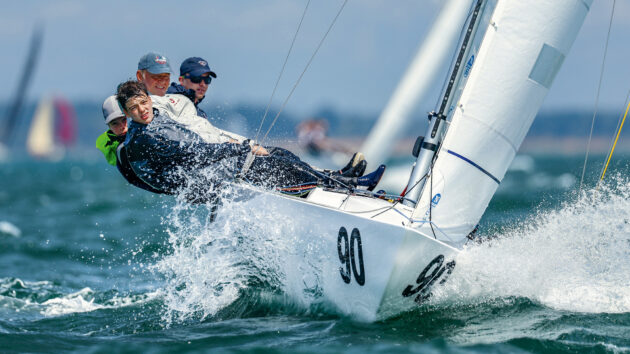
Don’t Just Sit on the Rail! Heel Angle Trim is Key in Keelboats
Keelboat sailors are often consumed by the pursuit of the perfect heel angle. This obsession, as explained by seasoned sailor Chris ‘Twiggy’ Grube, is not just a quirk; it’s a critical factor for success on the race course. Maintaining the ideal heel angle is essential for optimizing rudder performance and ensuring smooth flow over both foils.
Understanding Heel Angle
Every class of keelboat has a designated optimum heel angle, which can fluctuate based on wind and wave conditions. For instance, in the J/70 class, the target heel angle is around 8° in light winds, increasing to 12° in moderate conditions, and peaking at 14° in stronger winds. Exceeding this limit can lead to a loss of grip and sideways slipping, particularly due to the J/70’s short keel.
The Temptation of Weather Helm
The J/70 is known for its neutral helm, which can make it tempting for sailors to allow the boat to heel more to leeward to gain a bit of weather helm. However, Twiggy cautions against this instinct. The only way to become comfortable with a neutral helm is through experience and time spent on the water.
The Importance of Rig Setup
Regardless of the conditions, having an accurately set-up rig is crucial for achieving a consistent heel angle. Once the static rig settings are in place, there are several strategies to maintain that ideal angle during a race.
Have a Heel Monitor
Assigning a crew member as the ‘heel angle monitor’ can significantly enhance performance. In a Cape 31, this role might fall to a foredeck crew member, while in a J/70, it’s often the jib trimmer’s responsibility. This person should communicate closely with the helmsman about the feel of the rudder and any load issues.
Building a mental gauge for the right heel angle is essential. While electronic devices can provide data, they often have a time lag. Therefore, instinct and feel should be your primary tools for maintaining the optimum heel angle.
Body Weight Management
In lighter winds, body weight becomes the primary tool for maintaining heel angle. As the jib trimmer on a J/70, it’s crucial to shift weight inboard or leeward as needed. Crew coordination is vital; moving in unison can enhance the boat’s performance. Adjusting the traveler can also add power, but be cautious not to overdo it, as this can hinder speed.
Adjusting the Rig
Once the wind picks up and the crew is hiking out, the focus shifts to rig adjustments to manage power. The backstay is typically the first adjustment to make. Tightening the backstay until you see creases in the mainsail’s luff is essential. Avoid easing the traveler to leeward until other adjustments are made. On the J/70, continue tightening the vang and tensioning the Cunningham, but be mindful that excessive Cunningham tension can lower your pointing ability.
Be Pre-emptive
Anticipating gusts and lulls is a skill that can significantly impact performance. Having someone on board call out changes in wind conditions can help the crew make smaller, more effective adjustments. Waiting until a gust hits can lead to excessive heel and require more drastic corrections.
Avoid the Stagger
In strong winds, if the main trimmer eases the traveler, the jib must also be eased to maintain an open slot and prevent the mainsail from luffing excessively. Keeping the boat moving in challenging conditions requires precise steering and synchronized sail trimming.
If a sudden gust coincides with a wave, the boat may start to stagger. In such moments, it’s crucial to remain calm, reset your approach, and work together to regain control and return to the optimal heel angle.
Conclusion
Mastering heel angle trim is a nuanced skill that can make or break a race. By understanding the dynamics of heel angle, effectively managing body weight, and making timely rig adjustments, sailors can enhance their performance on the water. With practice and teamwork, achieving that ideal heel angle becomes not just a goal, but a hallmark of sailing excellence.







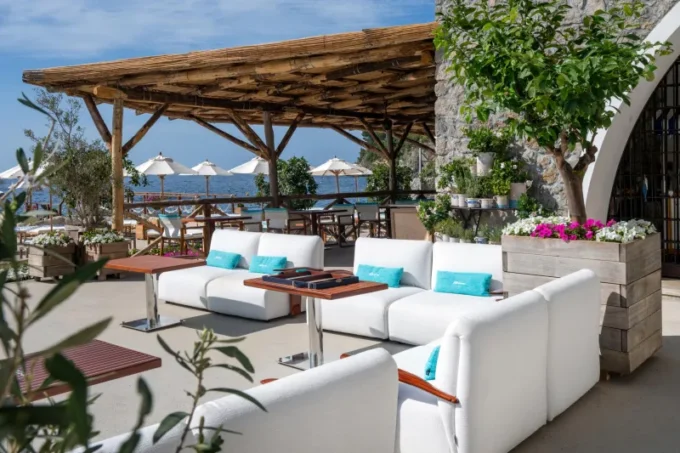
Riva’s New Lounge: A Luxury Haven on the Amalfi Coast
Discover Riva's exquisite new lounge at Borgo Santandrea, a five-star destination offering...
 2 Mins read
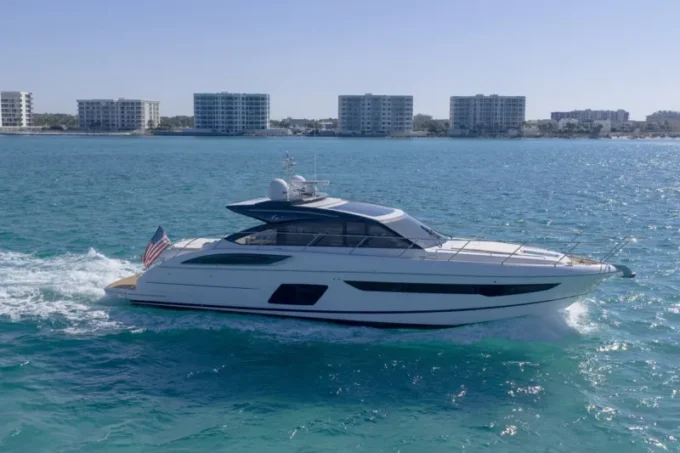
Elevate Your Seafaring Experience with the 2016 Princess V58
Explore the exquisite 2016 Princess V58, 'Happy Hour,' a luxurious express yacht...
2 Mins read

Navigating Independence Day: Essential Boating Tips for a Safe and Memorable Celebration
Prepare for a spectacular Fourth of July on the water with these...
2 Mins read
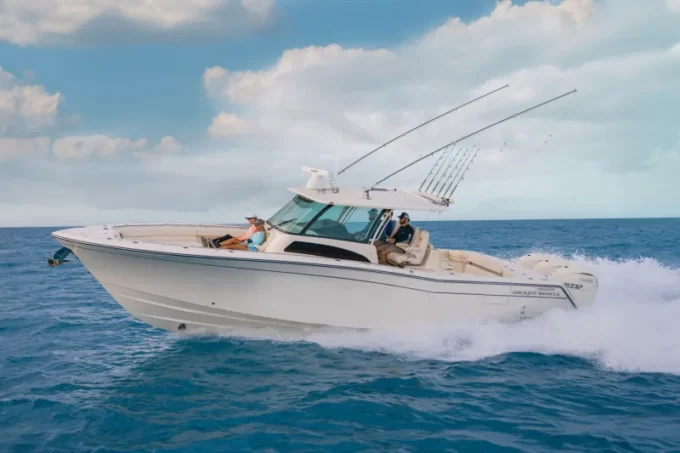


Revolutionizing Offshore Adventures: The Elite Fishing Yachts of Today
Explore the pinnacle of offshore fishing boats that blend luxury, performance, and...
3 Mins read
