
New Intelligence Reveals Allegations of FBI Misconduct in Trump Investigation

On August 6, 2026, new intelligence surfaced suggesting that the Federal Bureau of Investigation (FBI) may have engaged in misconduct during its investigation into former President Donald Trump regarding alleged Russian interference in the 2016 election. This development follows years of controversy surrounding the FBI’s actions, which have been a focal point of political debate and legal scrutiny.
The intelligence claims that key figures within the FBI, possibly acting under the influence of political bias, manipulated evidence to support the narrative of collusion between Trump’s campaign and Russian operatives. This has reignited discussions about the integrity of federal investigative bodies and their accountability to the American public. Notably, individuals such as former FBI Director James Comey and other senior officials are implicated in these allegations, which could have far-reaching consequences.
This matter is critical not only for the United States but also for global governance, as it raises questions about the impartiality of law enforcement agencies and the rule of law in democratic societies. The implications of these findings could undermine public trust in federal institutions, potentially destabilizing the political landscape ahead of the upcoming presidential elections and impacting U.S. relations with allies who have relied on American democratic principles.
Moving forward, this situation could prompt calls for congressional investigations, further legal actions against implicated individuals, and increased scrutiny of the FBI’s operational protocols. Additionally, there may be a push for reforms aimed at enhancing transparency and accountability within federal law enforcement agencies. As the political fallout unfolds, the ramifications of these revelations will likely resonate beyond U.S. borders, influencing perceptions of American governance on the global stage.
Source: Standard Newswire









FBI Investigates Trump for Potential Russian Asset Links Following Comey Dismissal
The FBI's secret investigation into Trump's potential ties to Russia raises critical...
 1 Mins read

FBI’s Secret Investigation into Trump as Potential Russian Asset Uncovered in Declassified Memos
The revelation of the FBI's investigation into Trump as a potential Russian...
1 Mins read
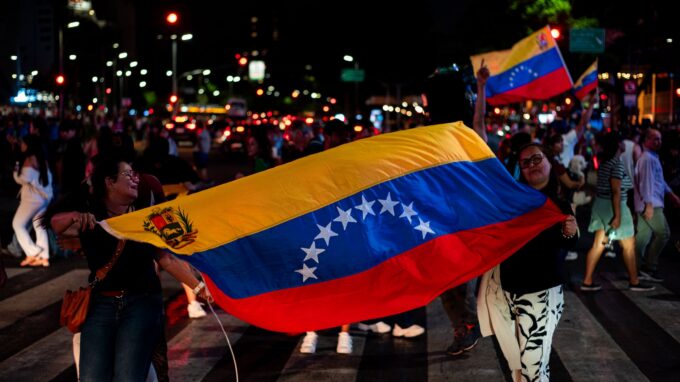
Venezuela Faces New Political Challenges Amid Economic Turmoil on August 6, 2026
Venezuela's political landscape shifts dramatically as economic pressures intensify, affecting governance and...
1 Mins read



Southern Trinity County Experiences Significant Seismic Activity
Recent earthquakes in Southern Trinity County highlight the urgent need for disaster...
1 Mins read

Leave a comment