

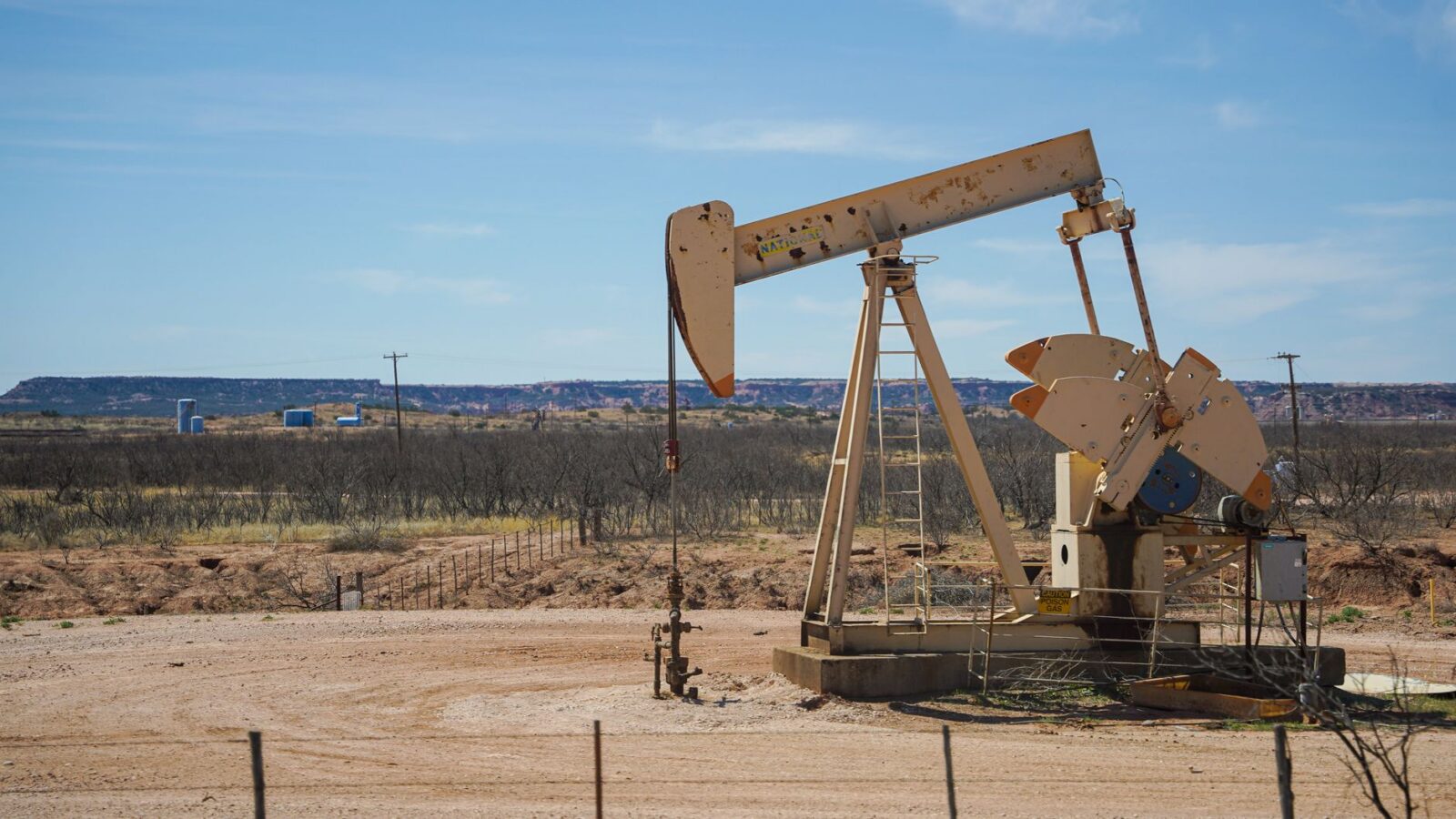
On August 7, 2026, Brent Crude oil prices experienced a notable surge following an attack on Iran’s South Pars gas field, a critical site for the nation’s energy production. The incident, which occurred amidst escalating geopolitical tensions in the region, has drawn immediate attention from global markets and energy analysts alike.
The South Pars field, shared between Iran and Qatar, is one of the largest natural gas fields in the world and is pivotal to Iran’s economy. The attack has raised concerns over supply disruptions, particularly as the global market grapples with already heightened energy prices due to ongoing geopolitical instability. As of the latest reports, Brent crude has jumped by approximately 4% following the news, reflecting immediate market reactions to the potential supply risks.
This development is significant not only for its immediate impact on energy prices but also for the broader implications it has for international relations and energy security. Analysts suggest that this incident could exacerbate existing tensions between Iran and Western nations, leading to possible sanctions or military responses. The energy market is closely watching how Iran’s government will respond, as well as the reactions from neighboring countries and the United States, which has historically maintained a critical stance towards Iran’s military actions.
Looking ahead, the situation remains fluid. Energy experts predict that if further attacks occur or if Iran escalates military responses, we could see sustained volatility in oil prices. Additionally, stakeholders in the energy sector are bracing for potential regulatory changes or shifts in international energy policies as governments react to the evolving situation.
Source: EnergyNow.com







New Misconduct Complaint Filed Against Winnebago County Judge Scott Woldt
The complaint against Judge Woldt raises critical questions about judicial integrity and...
 1 Mins read

Mexico Petitions U.S. Supreme Court Over NAFTA Arbitration Award
This legal move underscores the ongoing complexities of international trade agreements and...
1 Mins read

Supreme Court Schedules Hearing for Catholic Preschools in Colorado’s Universal Program Case
The Supreme Court's decision to hear this case could redefine educational funding...
1 Mins read



Farm Bill Stalls in Senate Agriculture Committee
The delay in the Farm Bill negotiations raises concerns about agricultural policy...
1 Mins read

Leave a comment