
The Burrito Debate: A Reflection on Affordability in Modern America
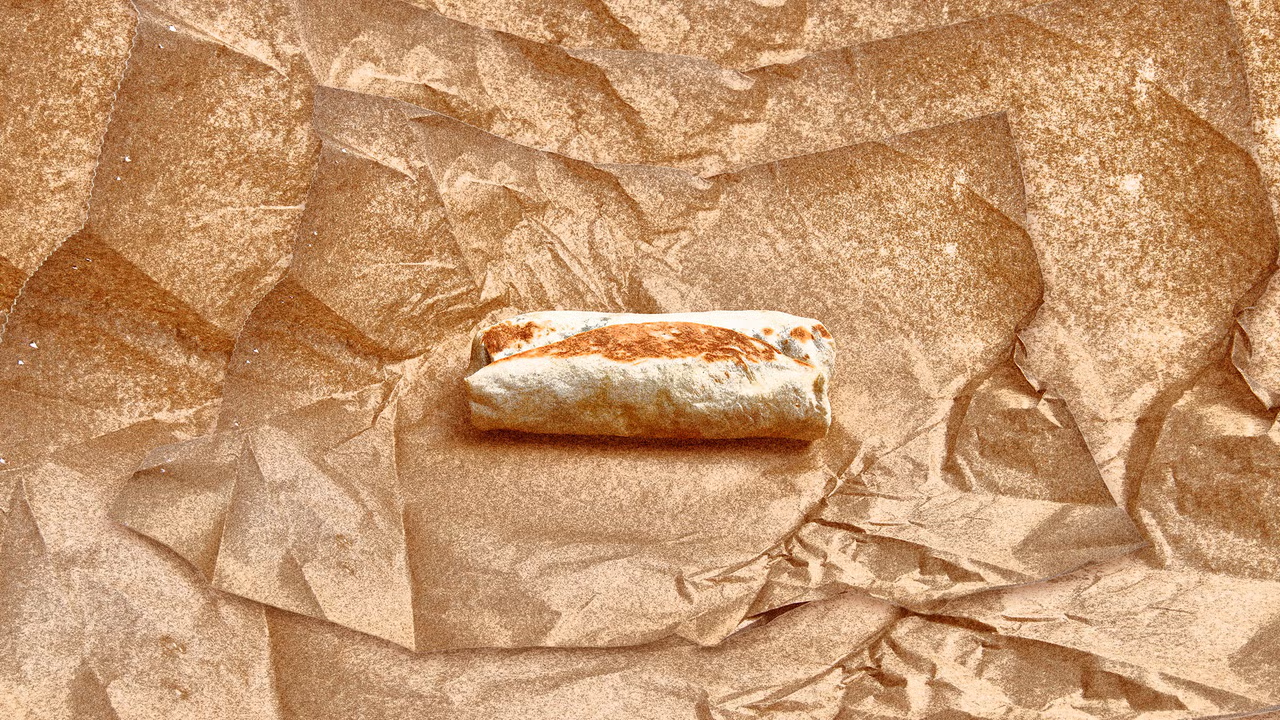
A Viral Sensation
In an era where social media can propel even the most mundane topics into the spotlight, a $20 burrito has become the unlikely catalyst for a heated discussion about food prices and economic realities in the United States. What started as a complaint from a college student about the soaring cost of a basic meal quickly snowballed into a broader conversation implicating economic disparities and the affordability crisis affecting millions.
The Price of Convenience
As dining options evolve, so too do their prices. A typical burrito, once synonymous with affordability, now often exceeds $20 when accounting for delivery fees and extra ingredients. For instance, a Chipotle steak burrito in Washington, D.C. can tally up to over $20 once delivery is factored in—a stark contrast to the budget-conscious meals of yesteryear.
A Political Firestorm
The burrito debate ignited further when Andrew Kolvet, a spokesperson for the conservative organization Turning Point USA, took to social media to express his discontent with the high cost, prompting a barrage of responses from various political figures. Notably, Rep. Dan Crenshaw’s retort suggested that young adults should adopt a more frugal lifestyle, invoking nostalgia for college days filled with ramen and shared living spaces. His comments, while intended to emphasize personal responsibility, backfired, leading to significant backlash across platforms.
A Microcosm of Economic Struggles
This viral event serves as a microcosm of a much larger issue: the economic strain faced by many Americans today. Data from the Urban Institute reveals a troubling trend where the cost of living has surged dramatically—home prices escalating by 81% since 2017, while wages have only increased by 43%. With skyrocketing housing costs, coupled with rising prices for essentials like healthcare and childcare, it’s no wonder that nearly half of American families struggle to meet their basic financial needs.
Voices from Both Sides
As the debate unfolded, perspectives from both sides of the aisle emerged, highlighting the rift in addressing economic challenges. Critics of Crenshaw’s stance argued that dismissing affordability issues by telling people to simply eat less desirable food is not a viable solution. Angela Morabito, representing the right-leaning Defense of Freedom Institute, articulated a growing concern that a lack of empathy towards the plight of struggling families could alienate voters and undermine conservative values.
Understanding Market Dynamics
The discussion surrounding the $20 burrito underscores the complexities of market dynamics and consumer expectations. With inflation impacting various sectors, including food, the response from consumers has evolved. Millennials and Gen Z, often viewed as the primary demographic for casual dining, are increasingly vocal about their financial constraints. The intersection of social media and politics has amplified these voices, revealing a generation grappling with a mixed legacy of economic growth and stagnation.
Conclusion: Finding Common Ground
As the conversation continues, the need for a comprehensive understanding of the affordability crisis remains paramount. While the $20 burrito may seem trivial on the surface, it reflects a deeper societal challenge—one that calls for empathy, innovation, and strategic thinking from leaders on both sides. Addressing these issues will require a commitment to creating sustainable economic policies that consider the realities faced by everyday Americans.
Editorial note: This article was created by A Bit Lavish Miami’s Magazine as an original editorial reinterpretation based on publicly available reporting. Original source: fastcompany.com. Read the original article here: https://www.fastcompany.com/91587828/viral-burrito-sparks-conservative-debate-over-food-prices.
Images are used for editorial reference with source credit. If an image requires correction or removal, please contact A Bit Lavish.



SpaceX Stock Surges 7.6% Amid Busy Launch Schedule
SpaceX's stock experienced a significant increase of 7.6% on October 5, 2026,...
 2 Mins read
Lucid Motors Reports 6.7% Decline in Q3 Deliveries Amid Production Cuts
Lucid Motors has announced a 6.7% decrease in its Q3 deliveries as...
2 Mins read
A Short-Term Fix in a Complex Healthcare Landscape
Exploring the implications of the Trump administration's $500 refund checks for Obamacare...
 ABL2 Mins read
Reimagining Military Branding: A Controversial Shift in Iconography
The recent unveiling of the Department of War's logo has sparked debates...
ABL3 Mins read