
Parliament Deadlock Persists as Shah Agrees to Debate Student Protests Amid Congress Demands
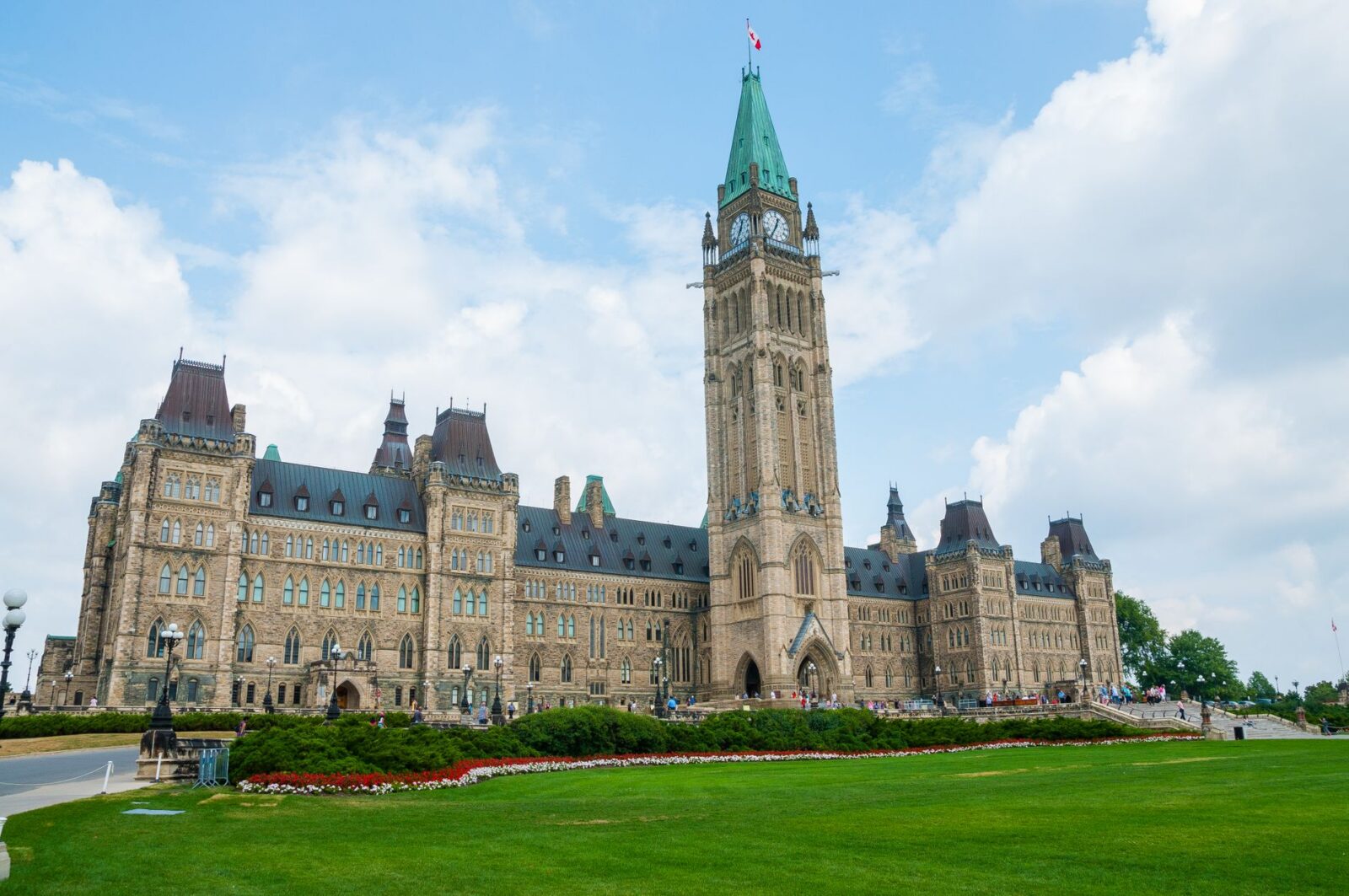
On August 11, 2026, Indian Home Minister Amit Shah announced his willingness to engage in a parliamentary debate concerning the recent student protests that have sparked widespread unrest across the country. This development comes amid a backdrop of escalating tensions in Parliament, where opposition members, particularly from the Congress party, have intensified their demands, adding calls for accountability regarding recent temple theft incidents to their agenda.
The student protests, which began in early August, are largely driven by demands for educational reforms and better treatment of student grievances. Shah’s readiness to debate signals a potential shift in the government’s approach to addressing these issues, which have garnered significant public attention and criticism. The Congress party, led by its President Mallikarjun Kharge, has seized upon the unrest, calling for a comprehensive discussion that not only addresses student issues but also the broader implications of temple thefts that have recently come to light.
This situation is critical as it brings into focus the effectiveness of India’s parliamentary system in responding to pressing social issues. With a parliamentary session underway, the implications of this deadlock could affect legislative processes and public confidence in the ruling government. The upcoming discussions are expected to be closely scrutinized by both supporters and critics, as they may set the tone for future government accountability and responsiveness to civil unrest.
Looking ahead, the Parliament’s ability to resolve these pressing issues will be tested in the coming days. If the debate proceeds as scheduled, it could either pave the way for productive dialogue or deepen existing divisions. Analysts suggest that the outcome of these discussions may influence not only the current political landscape but also the upcoming electoral prospects for the ruling party, making it a pivotal moment for governance in India.
Source: The New Indian Express






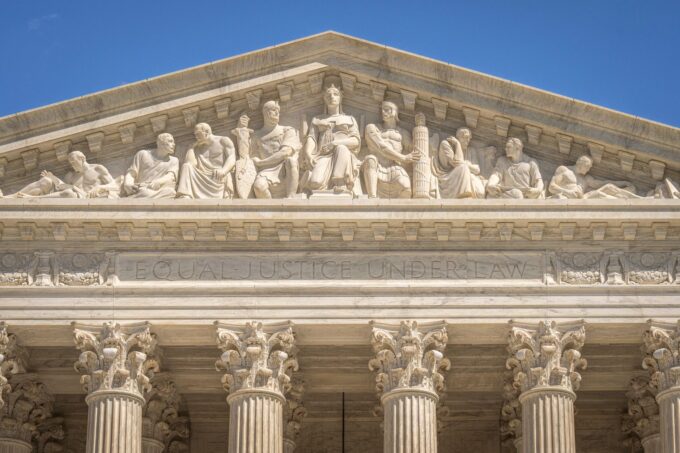
Trump Seeks Supreme Court Approval to Resume White House Ballroom Construction Amid Legal Appeal
This case highlights ongoing tensions between presidential authority and judicial oversight, impacting...
 1 Mins read

Flanagan Urged to Act Swiftly to Retain Native American Senator Title Amidst Concha’s Remarks
Political tensions rise as Joe Concha warns Flanagan about losing her Native...
1 Mins read
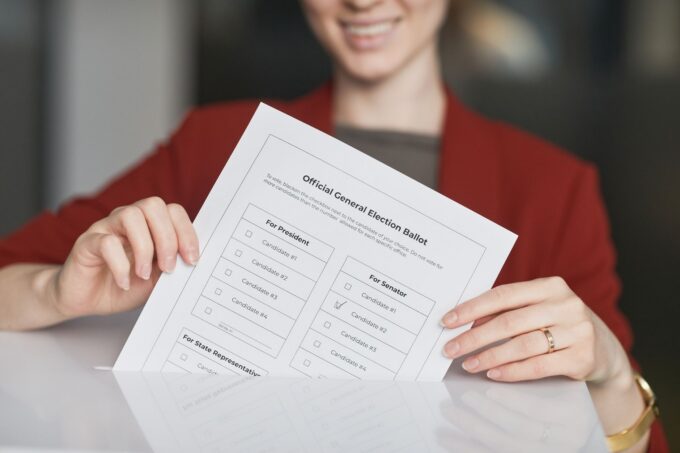
Michigan Senate Race Tightens Following El-Sayed Primary Victory
The competitive landscape of Michigan's Senate race shifts as new polling reveals...
1 Mins read
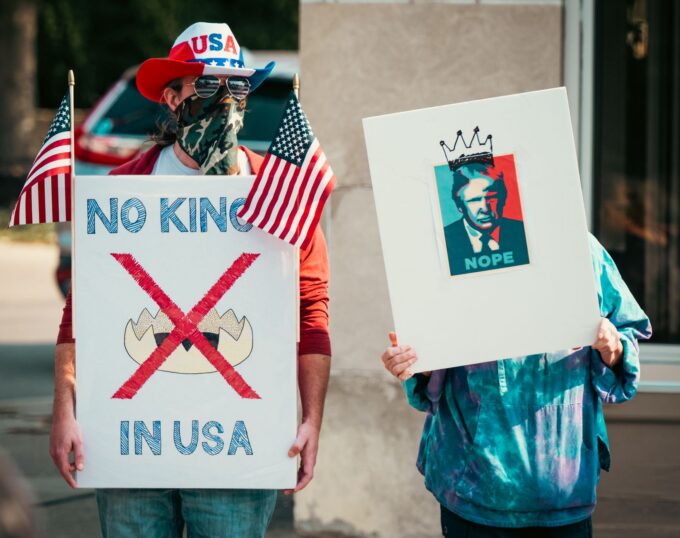


Andy Beshear Criticizes Senate Dysfunction Amid Mitch McConnell’s Prolonged Absence
The absence of Mitch McConnell raises concerns over Senate effectiveness and governance...
1 Mins read
Leave a comment