
Wall Street Futures Remain Cautious Amid Ongoing Hormuz Tensions and CPI Anticipation

Wall Street futures showed a subdued response on August 11, 2026, as ongoing uncertainties surrounding the Strait of Hormuz continue to loom over investor sentiment. The tensions in this critical maritime chokepoint, vital for global oil shipments, have raised concerns about potential disruptions that could impact energy prices and broader market stability.
Key players in this situation include U.S. government officials and military strategists who are closely monitoring developments in the region. The ongoing geopolitical tensions have been exacerbated by recent military maneuvers by Iran, which have heightened fears of conflict. Investors are now particularly focused on the upcoming Consumer Price Index (CPI) report, expected to provide insight into inflation trends that could influence Federal Reserve monetary policy.
This situation matters significantly as it underscores the intricate link between geopolitical stability and economic performance. With oil prices already volatile, any escalation in the Hormuz region could have immediate repercussions on global markets, further complicating inflationary pressures that the Fed seeks to manage. The anticipation of the CPI report adds another layer of complexity, as it could determine the trajectory of interest rates in the coming months.
Looking ahead, market participants are bracing for possible announcements from the Federal Reserve, which may respond to inflationary pressures and geopolitical risks. Additionally, investors will continue to monitor updates from the U.S. Department of Defense regarding military assessments in the region. The next few days will be critical as stakeholders weigh the implications of both the CPI results and the evolving situation in Hormuz.
Source: Investing.com South Africa







New Misconduct Complaint Filed Against Winnebago County Judge Scott Woldt
The complaint against Judge Woldt raises critical questions about judicial integrity and...
 1 Mins read

Mexico Petitions U.S. Supreme Court Over NAFTA Arbitration Award
This legal move underscores the ongoing complexities of international trade agreements and...
1 Mins read
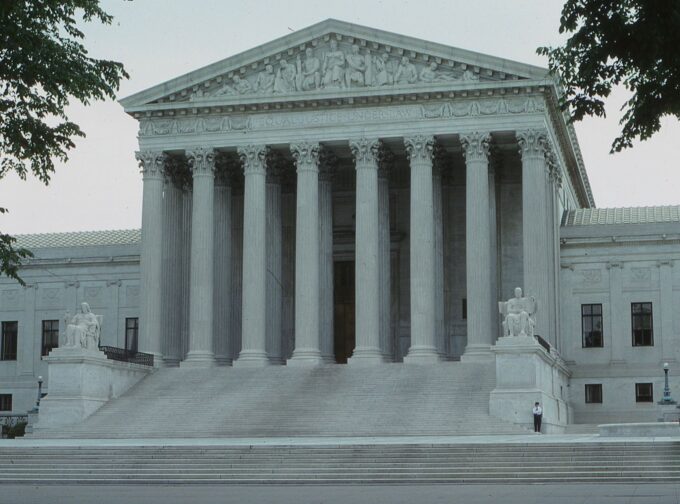
Supreme Court Schedules Hearing for Catholic Preschools in Colorado’s Universal Program Case
The Supreme Court's decision to hear this case could redefine educational funding...
1 Mins read



Farm Bill Stalls in Senate Agriculture Committee
The delay in the Farm Bill negotiations raises concerns about agricultural policy...
1 Mins read

Leave a comment