
Opposition Protests Erupt in Parliament Over Ram Temple Donations and Police Actions

On August 12, 2026, significant protests erupted within the Indian Parliament, instigated by opposition parties who voiced strong dissent against the government’s handling of donations for the Ram Temple in Ayodhya and recent police actions against student demonstrators. The protests signify growing unrest regarding the use of public funds for religious projects amidst critical issues of civil liberties and student rights.
Key players in this unfolding drama include the ruling Bharatiya Janata Party (BJP) and various opposition parties, notably the Indian National Congress and the Aam Aadmi Party. The protests were triggered by allegations that the government is diverting substantial public contributions towards the Ram Temple, raising concerns about transparency and accountability in the allocation of state resources. Concurrently, the police’s heavy-handed response to student protests against these donations has galvanized opposition support and public attention.
This situation is particularly relevant now as it underscores the ongoing tensions between governmental authority and civil society in India. The juxtaposition of religious funding against student dissent highlights a broader narrative about the intersection of faith, politics, and personal liberties, resonating with citizens and observers both nationally and globally. The implications of these protests could influence upcoming legislative sessions and elections, as public sentiment remains volatile.
Looking ahead, the opposition is likely to intensify its campaign against the BJP’s policies, potentially leading to more organized protests and parliamentary debates. Observers will be watching for any official responses from the government regarding the student protests and the Ram Temple funding, as these could significantly impact the political landscape in the run-up to future elections.
Source: The New Indian Express





New Misconduct Complaint Filed Against Winnebago County Judge Scott Woldt
The complaint against Judge Woldt raises critical questions about judicial integrity and...
 1 Mins read

Mexico Petitions U.S. Supreme Court Over NAFTA Arbitration Award
This legal move underscores the ongoing complexities of international trade agreements and...
1 Mins read
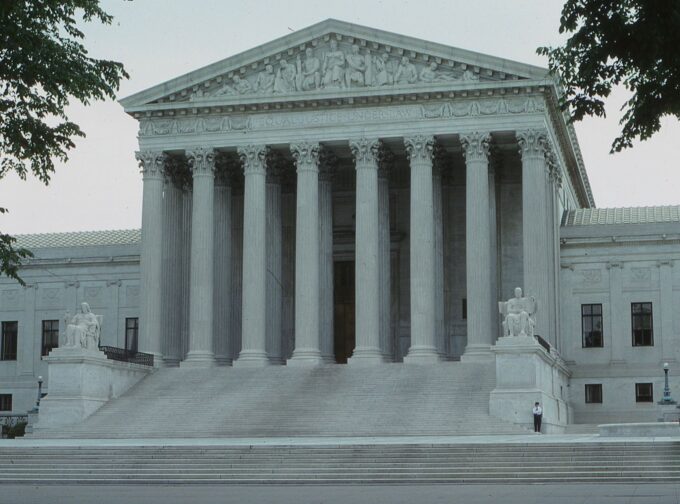
Supreme Court Schedules Hearing for Catholic Preschools in Colorado’s Universal Program Case
The Supreme Court's decision to hear this case could redefine educational funding...
1 Mins read



Farm Bill Stalls in Senate Agriculture Committee
The delay in the Farm Bill negotiations raises concerns about agricultural policy...
1 Mins read

Leave a comment