
Mexico Petitions U.S. Supreme Court Over NAFTA Arbitration Award

On August 13, 2026, Mexico officially petitioned the U.S. Supreme Court to review a controversial arbitration award stemming from the North American Free Trade Agreement (NAFTA). This significant legal maneuver aims to challenge a decision that Mexico argues undermines its sovereignty and economic interests.
The petition directly involves the Mexican government and the U.S. Supreme Court, highlighting the contentious relationship between the two countries regarding trade agreements and arbitration processes. The arbitration award in question, which Mexico contends is unjust, has sparked considerable debate over the interpretation and enforcement of international trade laws.
This development is particularly timely as it coincides with heightened discussions around the effectiveness of NAFTA and its successor, the United States-Mexico-Canada Agreement (USMCA). The legal implications of this case could have far-reaching effects on how international arbitration is conducted and perceived, especially in light of the evolving trade dynamics in North America.
Moving forward, the Supreme Court’s decision to hear the case could set a precedent for future arbitration disputes involving international trade agreements. A ruling in favor of Mexico could embolden other nations to challenge unfavorable arbitration outcomes, while a decision against Mexico might reinforce the current arbitration framework. Legal analysts are closely monitoring this situation, as it may lead to broader discussions on the reform of international trade dispute mechanisms.
Source: Global Arbitration Review








New Misconduct Complaint Filed Against Winnebago County Judge Scott Woldt
The complaint against Judge Woldt raises critical questions about judicial integrity and...
 1 Mins read
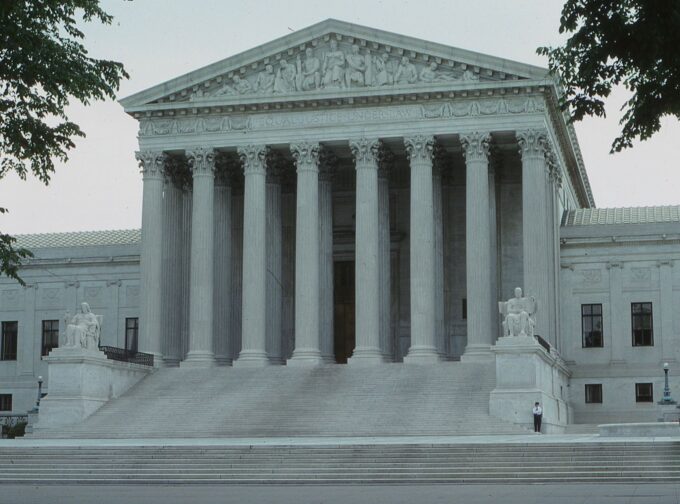
Supreme Court Schedules Hearing for Catholic Preschools in Colorado’s Universal Program Case
The Supreme Court's decision to hear this case could redefine educational funding...
1 Mins read

Farm Bill Stalls in Senate Agriculture Committee
The delay in the Farm Bill negotiations raises concerns about agricultural policy...
1 Mins read



Democrats Criticize Labor Day Rally for Featuring Graham Platner
The backlash against Graham Platner's appearance underscores tensions within the Democratic Party...
1 Mins read

Leave a comment