
Rediscovering Ancestral Heritage: The Journey of a Mosaic Skull Back to Mexico
A Tapestry of Human History
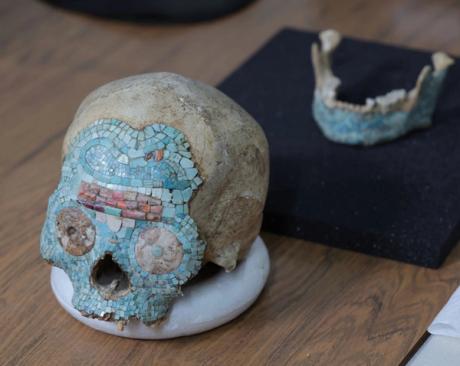
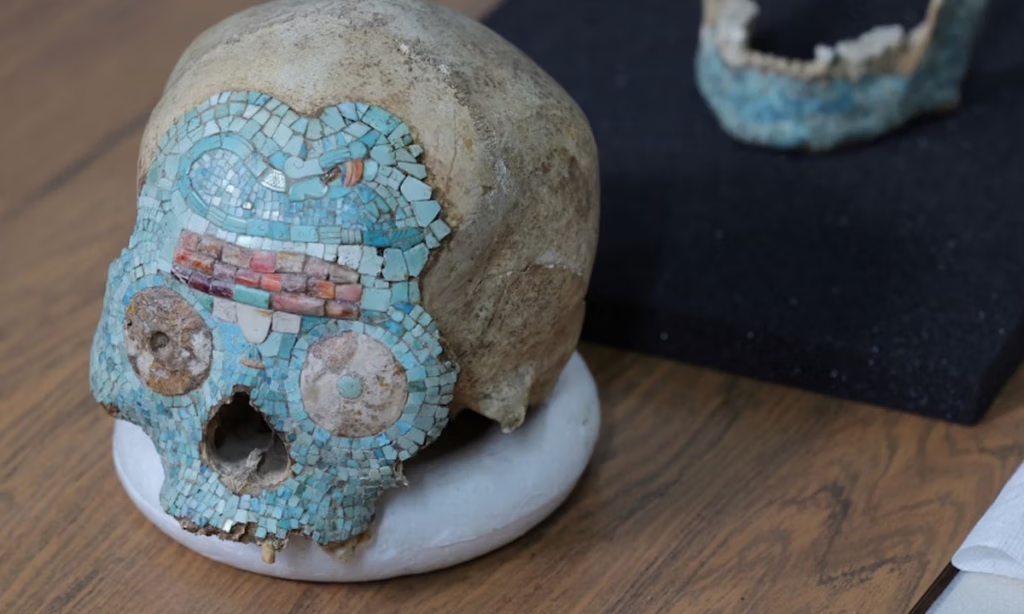
In a profound act of cultural restitution, a human skull embellished with an exquisite turquoise mosaic has made its way back to Mexico, illustrating the complexities of heritage, artistry, and the ongoing dialogue surrounding the repatriation of cultural artifacts. This skull, which has likely been reassembled in recent years, not only serves as a testament to the artistry of ancient civilizations but also highlights the enduring significance of ancestral connections.
The Art of Mosaic
Turquoise, with its vibrant hues and historical significance, has long captivated artists and collectors alike. In the context of this skull, the mosaic work exemplifies the intricate craftsmanship of pre-Hispanic cultures, where skilled artisans would have meticulously arranged each piece to create a harmonious design. The use of such materials not only speaks to the aesthetic sensibilities of the time but also reflects the cultural beliefs surrounding death and the afterlife.
A Grassroots Movement for Justice
The return of the skull was propelled by a grassroots campaign that emphasized the importance of reclaiming cultural heritage. Activists and community members rallied to bring awareness to the significance of the skull, advocating for its return to its rightful home. This movement not only underscores the collective effort involved in repatriation but also highlights the growing awareness of the ethical implications surrounding the ownership of cultural artifacts.
Contextualizing the Journey
After its repatriation from the Netherlands, the skull is set to be displayed at a community museum in Oaxaca, further bridging the past with the present. This museum has become a focal point for cultural exchange and education, allowing visitors to engage with the rich tapestry of Oaxacan history. The display of the skull will not only provide insight into ancient practices but will also evoke a sense of pride and identity among local communities.
Miami’s Role in Cultural Conversations
As a hub for art and culture, Miami plays a pivotal role in the dialogue surrounding the repatriation of artifacts. The city boasts a diverse population that values the preservation and celebration of heritage. Galleries and museums across Miami often host exhibitions that feature artifacts from various cultures, fostering conversations about provenance and the ethical responsibilities of collectors.
The Legacy of Art and Collecting
For collectors, the story behind an artifact is as crucial as its aesthetic appeal. The skull’s journey back to Mexico adds layers of meaning and provenance that enhance its significance in the art market. Collectors who are attuned to the narratives surrounding their acquisitions are not only investing in art but also participating in a larger dialogue about cultural heritage and identity.
Embracing the Future
The return of the mosaic skull marks a significant moment in the ongoing movement toward acknowledging the complexities of cultural ownership. As societies increasingly recognize the importance of returning artifacts to their places of origin, the art world must adapt by fostering greater transparency and collaboration. The skull’s new home in Oaxaca stands as a symbol of hope, resilience, and the enduring power of art to connect people across time and space.
Editorial note: This article was created by A Bit Lavish Miami’s Magazine as an original editorial reinterpretation based on publicly available reporting. Original source: theartnewspaper.com. Read the original article here: https://www.theartnewspaper.com/2026/08/17/human-skull-turquoise-mosaic-repatriated-netherlands-mexico.
Images are used for editorial reference with source credit. If an image requires correction or removal, please contact A Bit Lavish.






A Vibrant Legacy: Celebrating the Life and Work of Mary Heilmann
Explore the artistic journey of Mary Heilmann, a groundbreaking painter whose fearless...
 2 Mins read

Buyers sue London's Alison Jacques gallery over cancelled sale of Monica Sjöö paintings
Yoed and Natasha Anise’s first-ever art purchase unravelled after the artist’s estate...
1 Mins read

Preserving Heritage: The Urgent Call for Enhanced Safety in China’s Cultural Institutions
An exploration of the recent directives for Chinese museums to enhance emergency...
2 Mins read



A Triumphant Return: Masterpieces Reclaimed from the Shadows
Explore the fascinating story behind the recovery of stolen masterpieces by Cezanne,...
 ABL2 Mins read

Leave a comment