
White House Accuses China of Transshipment Fraud Amidst Rising Trade Tensions
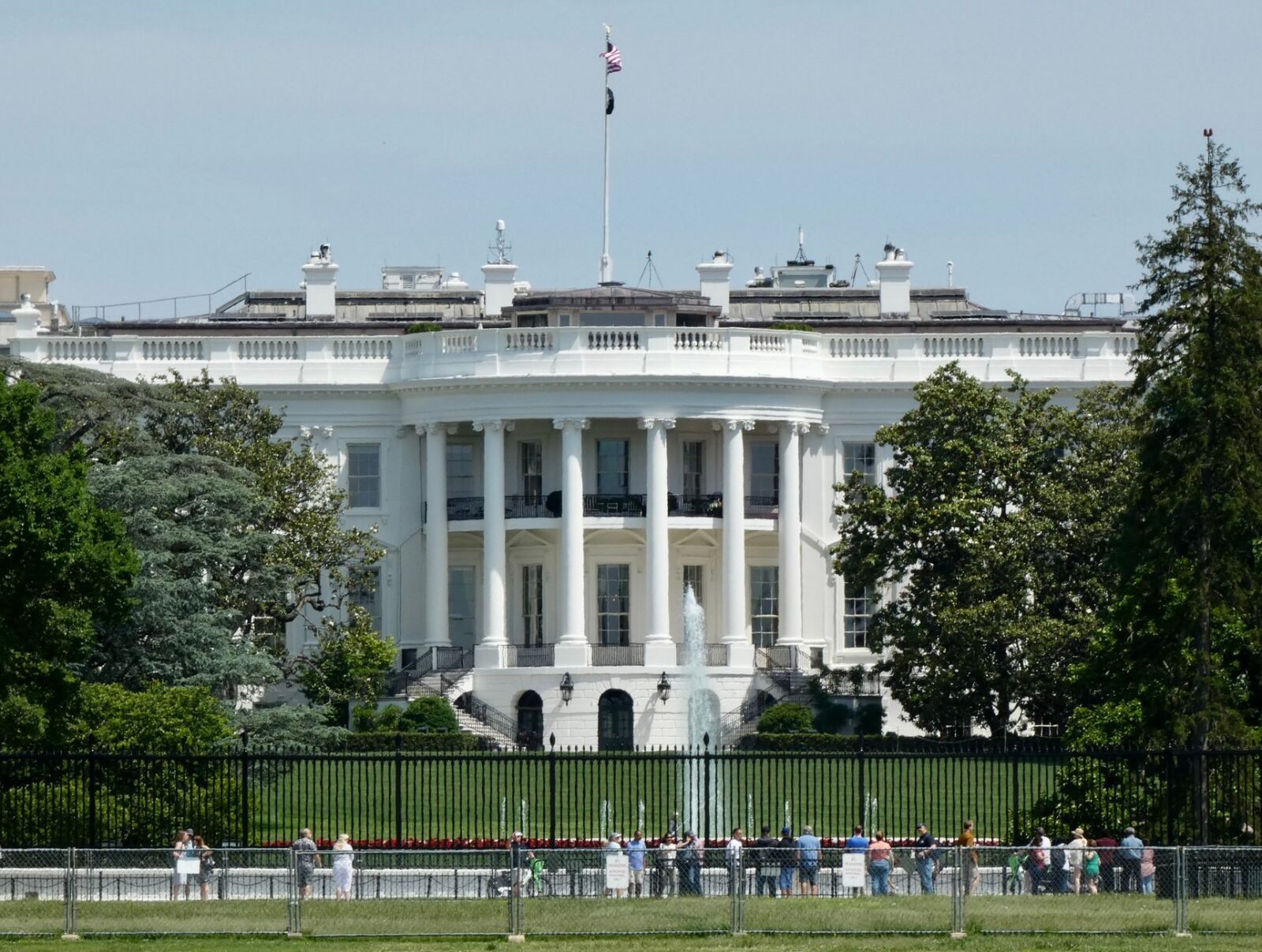
On August 18, 2026, the White House publicly accused China of engaging in a fraudulent transshipment scheme, alleging that Chinese companies have been misrepresenting the origin of goods to evade tariffs. This claim emerges amid ongoing tensions in U.S.-China trade relations, which have been characterized by increasing scrutiny and retaliatory measures over the past several years.
The allegations were made during a press briefing by a senior administration official, who asserted that this transshipment activity undermines fair trade practices and poses risks to economic stability. The U.S. Trade Representative’s office is reportedly preparing to implement new regulations aimed at curbing these practices, which could involve enhanced inspections of shipping containers and stricter penalties for non-compliance.
This development is significant as it not only highlights the ongoing friction between the two largest economies in the world but also raises concerns about the implications for global supply chains. Analysts suggest that if the U.S. follows through with punitive measures, it could prompt retaliatory actions from Beijing, further escalating trade hostilities that could ripple through international markets.
Looking ahead, the situation remains fluid. The U.S. is expected to finalize its proposed regulations in the coming weeks, with potential implementation by early September. Stakeholders in international trade, shipping industries, and economic policy will be closely monitoring the situation, as the outcome could alter shipping operations and tariffs on a global scale.
Source: The Economist







Supreme Court Chief Justice Recommends Two Judges for Appointment
This recommendation has significant implications for judicial independence and governance in South...
 1 Mins read

Alaska, Florida, and Wyoming Hold Primaries; California Elects Swalwell Successor
The primaries in three states and a key California election highlight shifting...
1 Mins read

Montana Republicans Replace Rep. Llew Jones on State Senate Ballot Amid Term Limit Controversy
This development highlights ongoing tensions regarding political term limits, affecting governance and...
1 Mins read



Senator Grant Hauschild Critiques Governor Walz’s Mining Policies Amidst Environmental Concerns
Senator Hauschild's opposition to Governor Walz's mining strategy highlights a significant divide...
1 Mins read

Leave a comment