
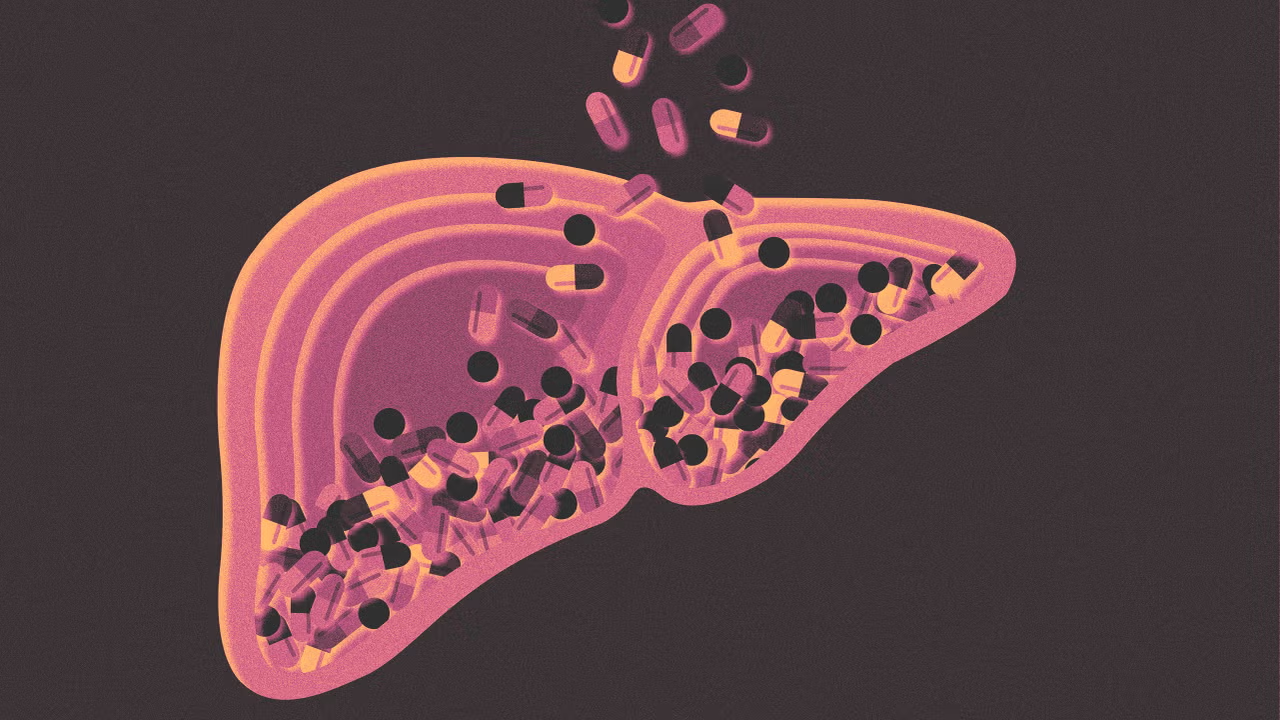
Understanding the Rise of Liver Injuries
In a startling revelation, recent research has uncovered a 400% surge in liver injuries associated with medications and substances over the past quarter-century. While one might instinctively point to alcohol as the primary culprit, the study, spearheaded by Dr. Christopher P. Holstege from the University of Virginia’s Blue Ridge Poison Center, identifies acetaminophen—the active ingredient in widely used pain relievers such as Tylenol—as the leading offender.
The Alarming Statistics
The findings detail a staggering increase in liver injury incidents, soaring from 11 to 53 cases per million. This upward trajectory is not merely a statistic but a call to action for consumers and healthcare providers alike. Of particular concern is the fact that approximately 85% of men and 94% of women suffering from drug-induced liver damage require hospitalization, highlighting the severe health implications tied to what many consider a benign over-the-counter medication.
How Acetaminophen Works
Acetaminophen, when metabolized, breaks down into several byproducts, including NAPQI, a toxic compound that the liver attempts to neutralize with glutathione. However, overconsumption—especially in conjunction with other acetaminophen-containing products—can overwhelm the liver’s capacity to produce sufficient glutathione. This leads to the accumulation of NAPQI, potentially resulting in symptoms ranging from nausea to serious liver failure. The risk escalates when acetaminophen is taken on an empty stomach, particularly affecting individuals with pre-existing liver conditions or those who regularly consume alcohol.
The Importance of Label Awareness
As the prevalence of acetaminophen in various medications—over 600 products, including cold remedies—grows, so does the likelihood of unintentional overdoses. Many consumers remain unaware that they may be simultaneously taking multiple medications containing this ingredient, effectively doubling their dosage without realizing the danger. Thus, healthcare professionals emphasize the necessity of scrutinizing labels to prevent such risks.
Regulatory Changes and Safety Measures
In response to the alarming data, the Food and Drug Administration (FDA) implemented recommendations in 2011 to limit the distribution of combination prescriptions containing more than 325 mg of acetaminophen. This regulatory measure has shown promise, with a reported 85% decrease in cases associated with acetaminophen-containing drugs, illustrating the impact that informed policy can have on public health.
A Broader Perspective on Liver Health
While acetaminophen dominates as the leading cause of liver-related injuries reported to poison centers, it is essential to acknowledge that alcohol remains a significant player, albeit at a considerable distance. Other contributors to liver damage include illicit drugs, stimulants, and certain dietary supplements, reiterating the need for comprehensive public education regarding the various substances that could jeopardize liver health.
Conclusion: A Call for Vigilance
As the landscape of medicine continues to evolve, so too must our understanding of the risks associated with commonly used substances. The study’s findings serve as a crucial reminder for consumers to remain vigilant regarding their medication intake and the potential consequences of oversight. In a city like Miami, known for its vibrant lifestyle and bustling nightlife, the importance of responsible medication use cannot be overstated. By fostering awareness and promoting informed decisions, we can safeguard our health and well-being in an increasingly complex pharmaceutical landscape.
Editorial note: This article was created by A Bit Lavish Miami’s Magazine as an original editorial reinterpretation based on publicly available reporting. Original source: fastcompany.com. Read the original article here: https://www.fastcompany.com/91591901/liver-injury-spike-being-driven-by-common-medicine-cabinet-product.
Images are used for editorial reference with source credit. If an image requires correction or removal, please contact A Bit Lavish.









Transforming Side Hustles into Success: Five Small Business Ventures to Elevate Your Career
Explore innovative small business ideas that can be launched alongside your 9-to-5...
 ABL3 Mins read

The Fall of a Titan: Lessons from Hui Ka Yan’s Downfall
Explore the dramatic rise and fall of Hui Ka Yan, the founder...
ABL2 Mins read

Navigating the Landscape of Eye Drop Safety: Lessons from Recent Recalls
Explore the implications of recent eye drop recalls in the U.S. market,...
ABL3 Mins read



Navigating the New Frontier: OpenAI’s Cautious Step Back in the Race for Superintelligence
Exploring OpenAI's recent decision to slow down its development of powerful AI...
ABL2 Mins read

Leave a comment