
Supreme Court Denies Petition from Nepali Congress Faction
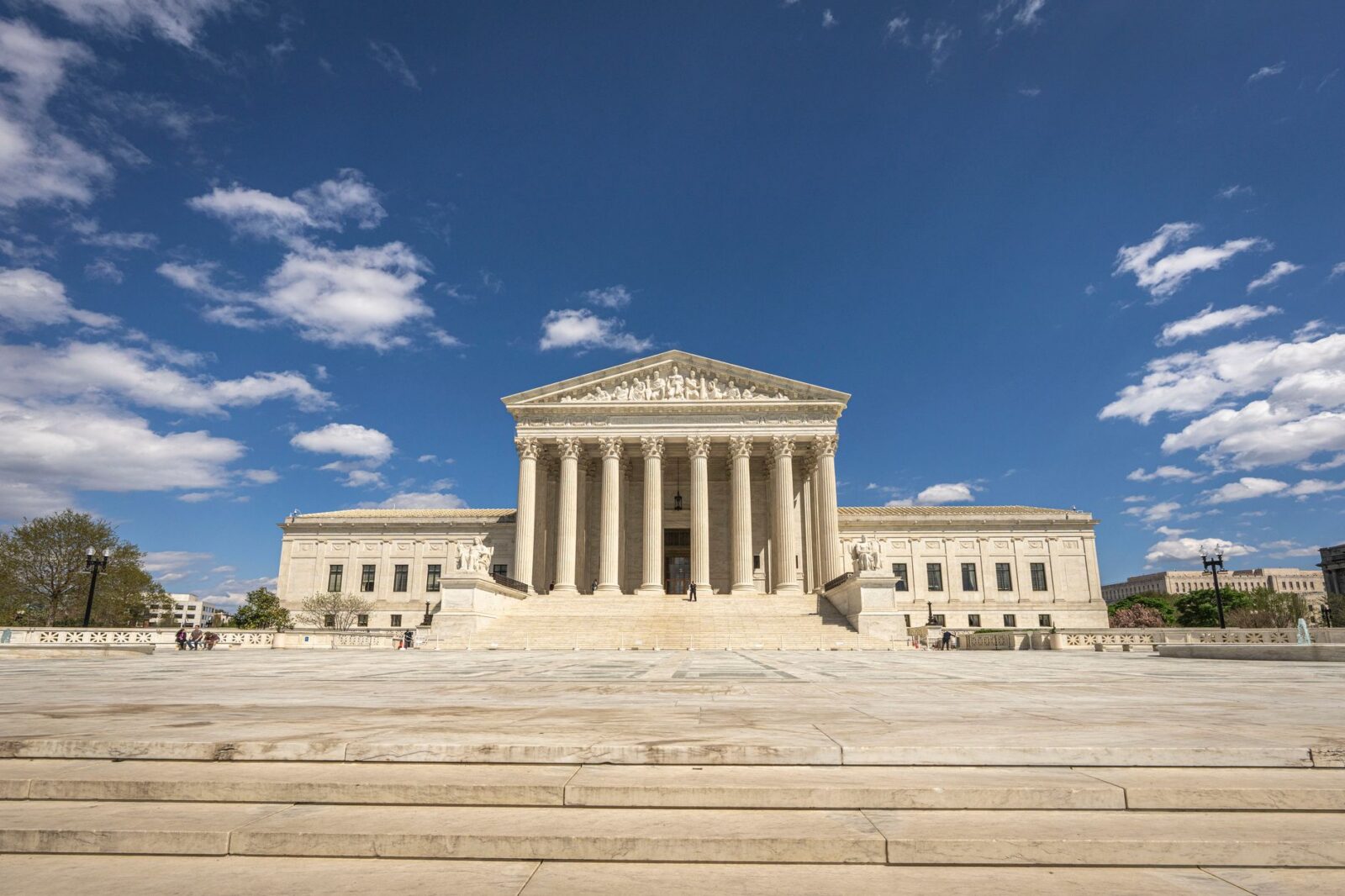
On August 21, 2026, the Supreme Court of Nepal declined to register a petition submitted by a faction of the Nepali Congress party, a decision that could have far-reaching implications for the country’s political landscape. This ruling was issued amidst ongoing tensions within the party, which has struggled with internal divisions and leadership disputes.
The faction involved, which claims to represent a substantial segment of the Nepali Congress, sought judicial intervention to address grievances regarding party leadership and decision-making processes. The refusal by the Supreme Court to register their petition not only underscores the judiciary’s stance on political disputes but also highlights the challenges faced by political entities in navigating the legal landscape in Nepal.
This development is particularly significant now as it comes at a time when the Nepali Congress is gearing up for upcoming local elections, and the internal strife could weaken its position. Political analysts are closely monitoring how this ruling will affect party unity and voter sentiment, especially in the context of increasing competition from opposition parties.
Looking ahead, the faction may explore alternative legal avenues or strategies to challenge the Supreme Court’s decision, which could further entrench divisions within the party. Observers suggest that failure to reconcile these differences could lead to diminished electoral performance in the forthcoming elections, reshaping the political dynamics in Nepal.
Source: Ratopati










Ron Johnson’s Comments on Social Security Misuse Spark Controversy
The debate over Social Security continues to escalate, with implications for millions...
 1 Mins read

Aisha Wahab Elected as First Afghan American to Congress
Aisha Wahab's historic election signifies a pivotal moment for representation in U.S....
1 Mins read

US National Debt Surpasses $40 Trillion, Raising Economic Concerns
The surge in national debt highlights critical fiscal challenges facing the U.S....
1 Mins read


Iran Promises Severe Retaliation as US Proposes Unprecedented Sanctions
The escalating tensions between Iran and the US signal significant implications for...
1 Mins read
Leave a comment