
The Unyielding Crisis: Venezuela’s Electric Struggles and Its Ripple Effects
The Current State of Power in Venezuela
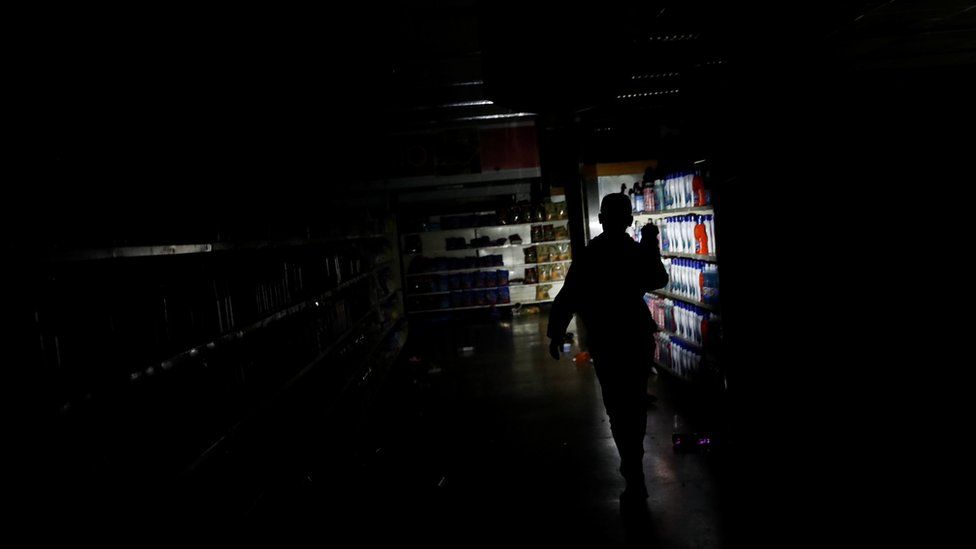
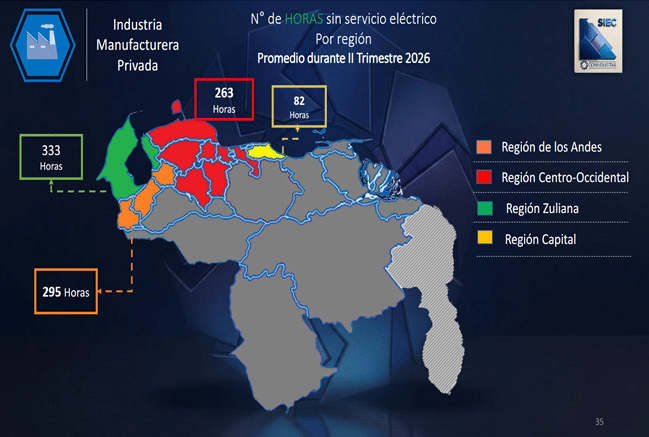
As August 2026 unfolds, Venezuela finds itself grappling with a relentless electric crisis that threatens the very fabric of its economy. In regions such as Zulia, Sucre, and Anzoátegui, frequent and unannounced power outages are wreaking havoc on productivity. Miguel Amendolara, president of the Chamber of Commerce, Industry, and Production of Cumaná, highlights the dire consequences of these interruptions, stating that local businesses can lose up to 15 hours of productive work each week—an alarming total that accumulates to 140 hours monthly.
Far-Reaching Economic Implications
The ramifications of this crisis extend beyond mere inconvenience; they strike at the heart of economic viability. Businesses are forced to invest heavily in backup generators and fuel, an expense that many small enterprises simply cannot sustain. Amendolara underscores the severity of the situation, revealing that while larger industries may have experienced a modest growth of 10.8% in recent months, smaller businesses have contracted by 5.4%. The disparity reflects a harsh reality: the inability to compete while grappling with constant interruptions.
Water Scarcity Compounds the Crisis
In addition to electricity shortages, the residents of Sucre are also facing a severe water crisis. Following a landslide in February 2026, water supply has dwindled, forcing some neighborhoods to endure 48 hours without water, only to be followed by a five-day dry spell. This dual crisis of electricity and water has left many communities in a state of despair, as they struggle to maintain basic living standards.
The Human Toll
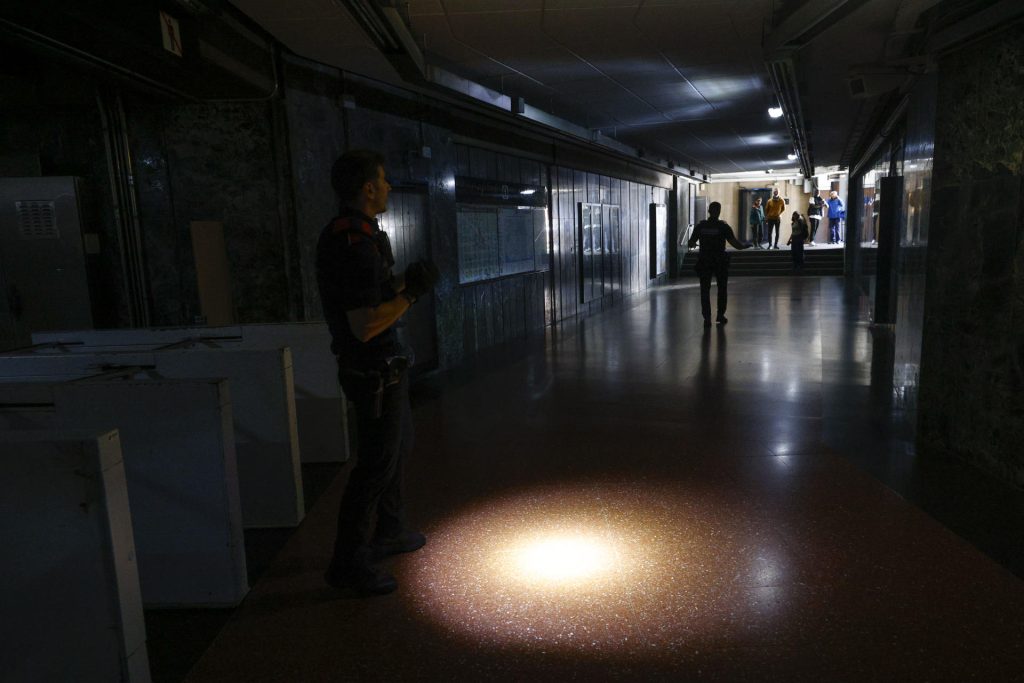
It is the individual citizens who bear the brunt of this crisis. In Cumaná, residents like Renny Rondón speak of their plight, with water availability dwindling to a trickle every five days. For many, the struggle to access water is compounded by the need for electricity to pump it. Graciela Henriquez, a local vendor, recounts how power outages have devastated her small business, causing her to lose valuable food supplies and diminishing her income potential. These personal stories epitomize the larger struggle faced by many throughout Venezuela.
A Call for Action
Voices within the business community are amplifying their demands for change. Amendolara emphasizes the urgent need for a formal electricity rationing schedule that would allow businesses to plan their operations better. He advocates for substantial investments in energy infrastructure, suggesting that a portion of Venezuela’s oil export revenues should be allocated toward revitalizing the energy sector. The overarching sentiment is clear: Venezuelan society cannot progress without a reliable electricity supply.
Looking Ahead: The Path to Stability
As the crisis continues to unfold, the international community watches with concern. The United Nations recognizes the importance of reliable electricity as a cornerstone of modern society. Amendolara’s call for investment and strategic planning resonates as a beacon of hope for many. Without a dependable power supply, the economic and social fabric of Venezuela risks further unraveling. The time for decisive action is now, as communities strive for stability and a return to normalcy.
Editorial note: This article was created by A Bit Lavish Miami’s Magazine as an original editorial reinterpretation based on publicly available reporting. Original source: efectococuyo.com. Read the original article here: https://efectococuyo.com/la-humanidad/el-aparato-productivo-no-soporta-una-interrupcion-electrica-mas-advierte-gremio/.
Images are used for editorial reference with source credit. If an image requires correction or removal, please contact A Bit Lavish.







The Many Facets of Migration: A Deep Dive into Women’s Experiences
Exploring the diverse and profound experiences of women who navigate migration in...
 2 Mins read
Caracas Under Water: A City Grapples with Climate’s Fury
Intense rains in Caracas lead to severe flooding, affecting key neighborhoods and...
2 Mins read

Unlocking Venezuelan Gold: A Path Forward in England
Exploring the complexities and implications of unlocking Venezuelan gold assets held in...
3 Mins read


A Call for Compassion: Enhancing Humanitarian Cooperation in Venezuelan Prisons
Discover the ongoing humanitarian efforts to improve conditions in Venezuelan prisons, focusing...
2 Mins read

Leave a comment