
Supreme Court Reaffirms Industry Definition, Sparking Debate on Practical Impact
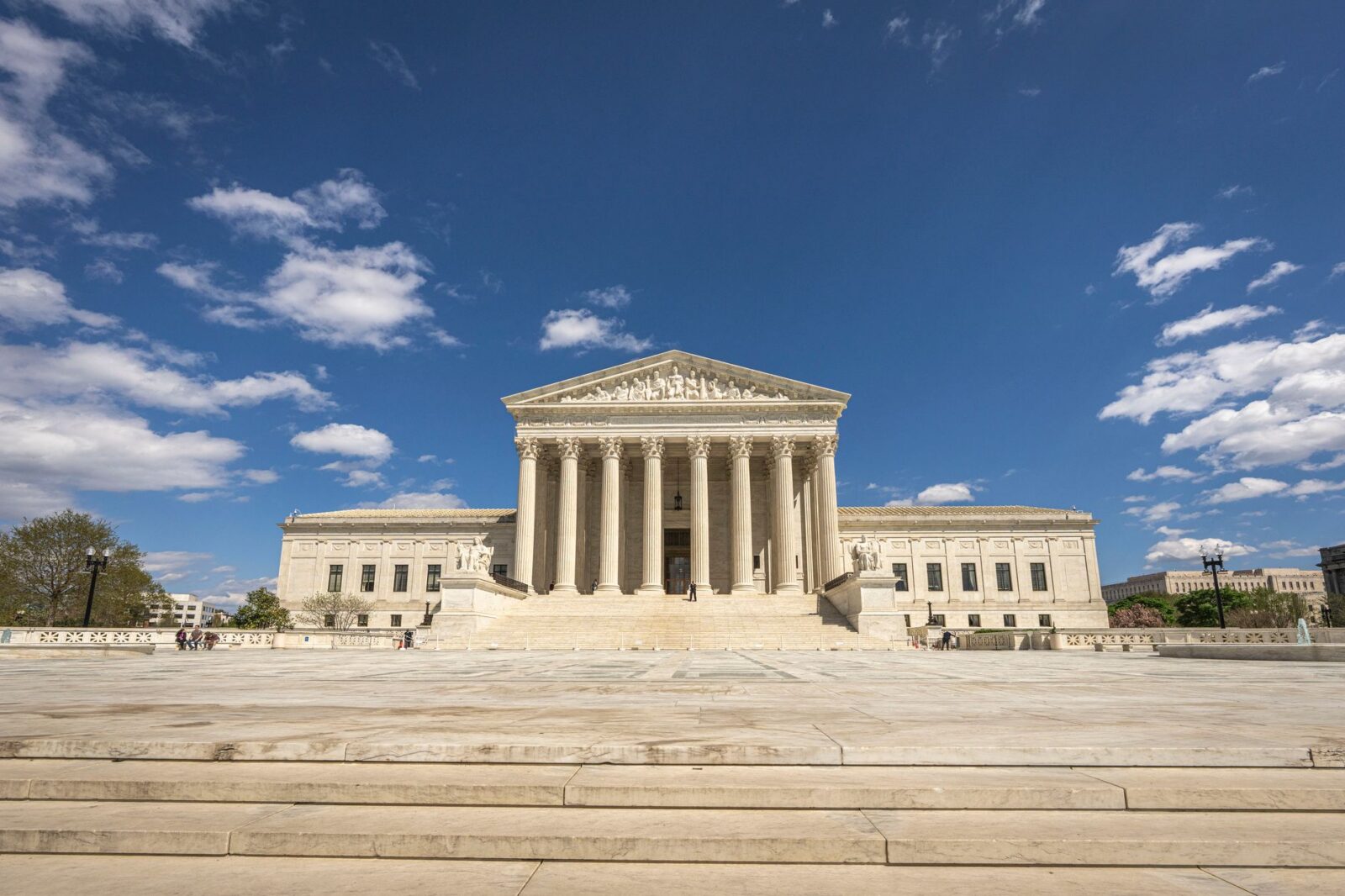
On August 23, 2026, the Supreme Court of India reaffirmed its definition of what constitutes an ‘industry’ under the Industrial Disputes Act, 1947. This ruling has drawn attention for its potential implications on labor rights and economic classifications within the country, although many experts argue that the practical impact may be limited.
The case arose from a dispute involving the definition of ‘industry’ as it pertains to various sectors, which directly affects the rights of workers and the responsibilities of employers. The Supreme Court’s decision was based on a review of previous judgments and the evolving nature of work in contemporary India, particularly as the gig economy expands. The ruling emphasizes that any organization engaged in systematic activity aimed at producing goods or services qualifies as an industry, thus broadening the scope for labor rights.
Currently, there is a growing discourse around labor rights, especially in light of ongoing economic challenges and the increasing prevalence of informal work arrangements. The ruling is significant as it indicates the court’s intent to adapt legal definitions to modern economic realities. However, critics argue that without accompanying legislative reforms, the ruling may not translate into tangible benefits for workers.
Looking ahead, stakeholders in the labor market, including unions and industry leaders, will likely engage in discussions about potential reforms to labor laws that could enhance protections for workers. This ruling may also prompt calls for legislative action to better align existing laws with the realities of an evolving workforce, setting the stage for future debates on labor rights in India and potentially influencing global trends in labor legislation.
Source: The New Indian Express








Pentagon Dismisses Publisher and Editor of Stars and Stripes Amid Rising Censorship Concerns
This dismissal underscores ongoing tensions regarding military transparency and freedom of the...
 1 Mins read

Kyrsten Sinema Calls for Transparency in Data Center Development
Senator Kyrsten Sinema emphasizes the need for community awareness regarding data centers...
1 Mins read

Ralph Norman Appeals to Lowcountry Voters Ahead of Senate Primary Runoff
Ralph Norman's final campaign push is pivotal as South Carolina's Senate primary...
1 Mins read



Darline Graham and Ralph Norman Engage in Heated South Carolina Senate Runoff
The outcome of this runoff could significantly influence the balance of power...
1 Mins read
Leave a comment