
A Tapestry of Identity: The Taiwan Pavilion at Gwangju Biennale
 ABLUpdated 5 hours Ago2 Mins read6

Unveiling a Cultural Conundrum
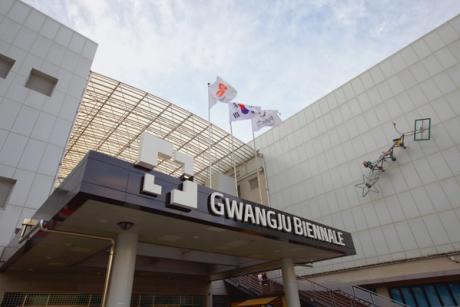
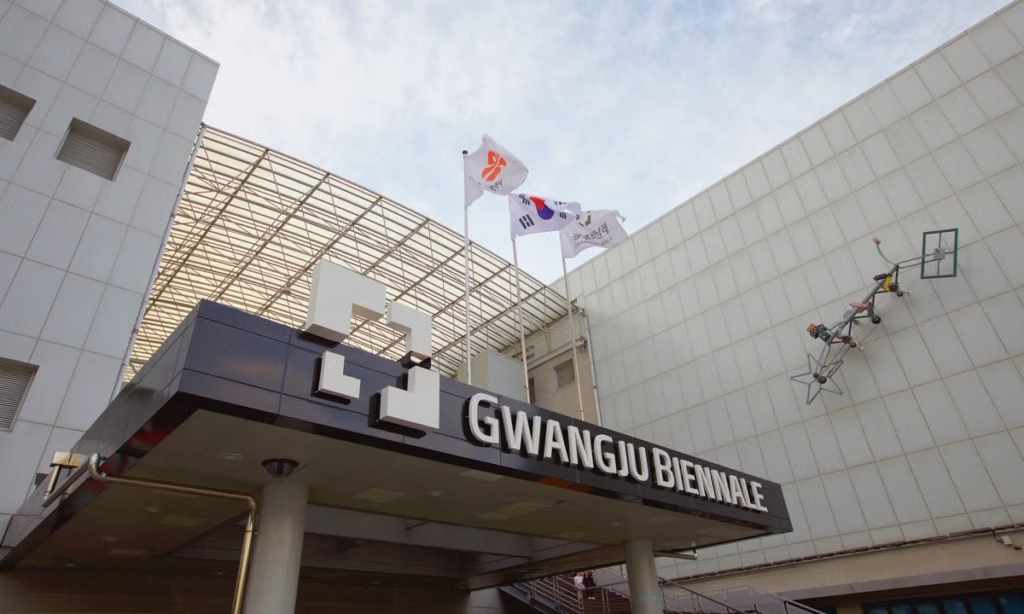
The Gwangju Biennale, a cornerstone of contemporary art that transcends geographical boundaries, recently stirred discussions surrounding identity and autonomy with the Taiwan Pavilion’s naming controversy. Originally intended to be recognized as the Taiwan Pavilion, the name was controversially altered to NTMoFA, a decision that sparked discord between the pavilion’s artistic team and the biennale’s organizers.
The Heart of the Matter
At the core of the debate lies the delicate interplay between artistic expression and institutional authority. The artists and the pavilion’s curator articulated their discontent, asserting that any alteration of the pavilion’s name was made without their consent. This incident not only raises questions about artistic freedom but also highlights the complexities surrounding Taiwan’s political status and its cultural representation on international stages.
A Dialogue on Artistic Integrity
The biennale’s organizers maintain that the name change was previously agreed upon in January, a statement that invites scrutiny into the transparency of such discussions. This conflict underscores a broader narrative in the art world about the importance of preserving the intentions of artists and curators. In an age where cultural identity is often commodified, the integrity of the artist’s vision must be upheld.
Rarity and Significance in the Art Market
Art collectors and enthusiasts alike understand the value of provenance, which extends beyond the artwork itself to encompass the stories behind their creation. The Taiwan Pavilion, despite its naming dispute, serves as a testament to the resilience of Taiwanese artists on the global stage. As collectors navigate an ever-evolving market, artworks that embody such narratives of struggle and identity often command greater attention and investment.
The Legacy of Taiwanese Art
In light of the pavilion’s challenges, it is essential to reflect on the legacy of Taiwanese art and its role in shaping contemporary discourse. The artists involved in the pavilion are not merely participants in an exhibit; they are chroniclers of a unique cultural experience that resonates deeply with themes of identity, memory, and the pursuit of recognition. Their work invites audiences to engage in a dialogue that transcends borders, making it relevant in the cosmopolitan context of Miami’s vibrant art scene.
Collector Psychology and Cultural Significance
For collectors, acquiring pieces from the Taiwan Pavilion provides not only aesthetic pleasure but also an opportunity to participate in a larger conversation about cultural identity and representation. The psychology of collecting extends beyond mere ownership; it embraces an emotional and intellectual investment in the narratives that artworks convey. As collectors seek to enrich their collections with meaningful pieces, the Taiwan Pavilion’s ongoing story becomes a powerful motivator.
Looking Forward: The Future of the Pavilion
As the Gwangju Biennale prepares for its upcoming iteration, the resolution of the Taiwan Pavilion’s naming issue will be pivotal. It stands as a critical moment for the biennale to reaffirm its commitment to artistic integrity and cultural diversity. The world will be watching, as the outcome of this controversy may set a precedent for how institutions engage with artists from regions grappling with identity politics.
Through this lens, the Taiwan Pavilion not only represents a geographical location but also encapsulates a broader narrative of self-expression and the quest for acknowledgment in the global art landscape. As Miami continues to cultivate its reputation as a cultural hub, the challenges faced by the Taiwan Pavilion resonate deeply, reminding us of the importance of nurturing diverse voices within the arts.
Editorial note: This article was created by A Bit Lavish Miami’s Magazine as an original editorial reinterpretation based on publicly available reporting. Original source: theartnewspaper.com. Read the original article here: https://www.theartnewspaper.com/2026/08/26/gwangju-biennale-permits-taiwan-pavilion-name-after-row.
Images are used for editorial reference with source credit. If an image requires correction or removal, please contact A Bit Lavish.









Dolly Parton: A Muse Beyond Music
Exploring the profound impact of Dolly Parton on the art world, from...
ABL2 Mins read

The Subtle Artistry of Richard Tuttle: A Journey Through Influence and Legacy
Explore the profound influences shaping Richard Tuttle's unique artistic vision, from literature...
ABL3 Mins read

A Cultural Shift: The Unraveling of Kehinde Wiley’s Diplomatic Masterpiece
Exploring the removal of Kehinde Wiley's painting from the US embassy in...
ABL2 Mins read



Reshaping Narratives: The Rise of Indigenous Artists in Taiwan’s Contemporary Art Landscape
Explore how a new wave of Indigenous artists in Taiwan is transforming...
ABL2 Mins read

Leave a comment