
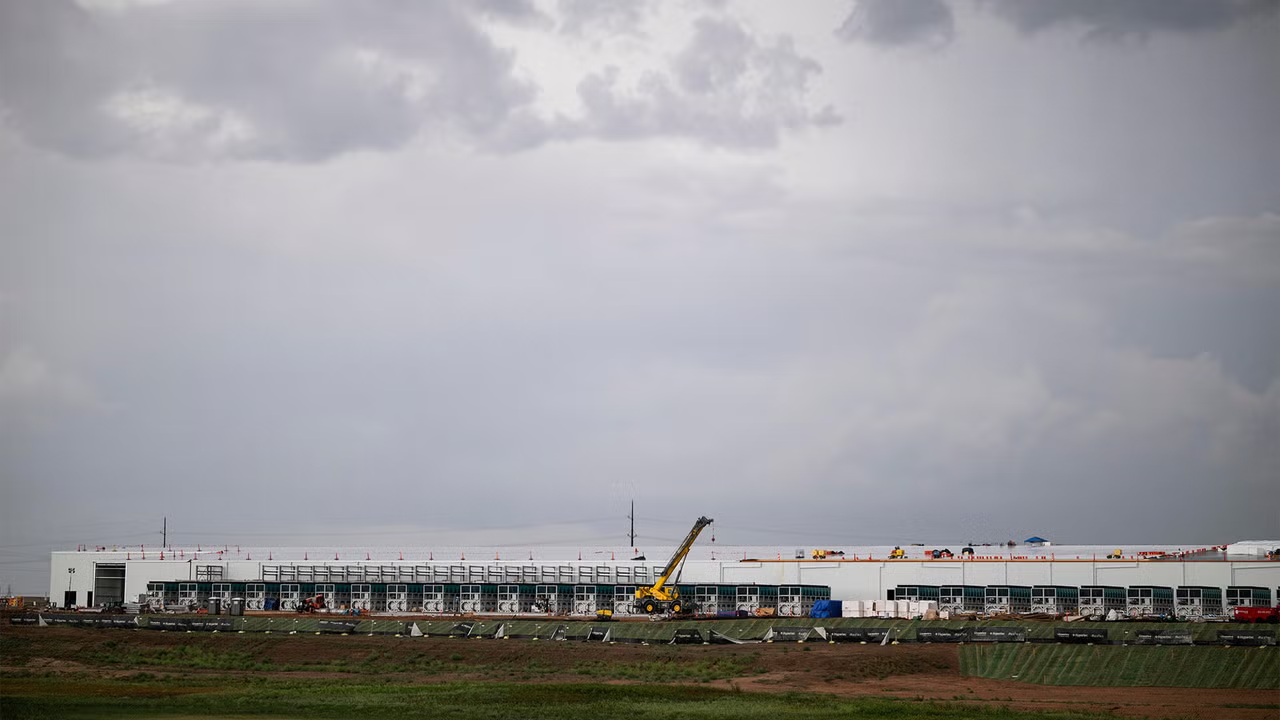
A Transformative Era for Tech and Politics
The emergence of data centers as critical infrastructure has sparked a seismic shift in the political landscape across the United States, particularly as we approach the 2026 midterm elections. Once a niche topic, data centers are now at the forefront of political discourse, shaping the strategies of both political leaders and major corporations. With the rapid rise of artificial intelligence technologies, particularly following the launch of OpenAI’s ChatGPT, demand for data center capacity has surged, prompting significant investment and controversial discussions.
The Growing Opposition
As tech giants like Oracle, Google, and Microsoft pledge to invest over $700 billion into U.S. data centers this year alone, a backlash is forming in rural communities where many of these facilities are being planned. This opposition is not just from environmentalists; it has united conservative ranchers and left-leaning activists who share concerns over dwindling water resources, environmental degradation, and the impact on local economies. This unique coalition highlights a growing awareness of the need for sustainable practices in technology and development.
Water Rights and Environmental Concerns
The controversy surrounding data centers has reached a fever pitch in states like New Mexico, where significant projects are being proposed. The Center for Biological Diversity has challenged approval processes for water permits needed by these data centers, citing a lack of transparency and potential threats to local agriculture. As water scarcity becomes a pressing issue, discussions around water rights are increasingly relevant, especially in states suffering from prolonged droughts.
Political Alliances and Leadership Challenges
Former President Donald Trump has emerged as an unexpected advocate for data centers, countering the growing political caution surrounding them. His stance emphasizes the economic benefits of these facilities, such as job creation and tax revenue. However, as public sentiment shifts, local leaders are grappling with how to balance economic development with community welfare and environmental sustainability. This evolving political landscape presents both challenges and opportunities for aspiring leaders in tech and governance.
Regulatory Shifts and Strategic Responses
As opposition mounts, several states are beginning to tighten regulations on data centers. This includes New York’s moratorium on large data center developments and Texas’s scrutiny of the financial implications of these facilities on local energy costs. The regulatory environment is becoming increasingly complex, requiring companies to navigate a labyrinth of local, state, and federal policies. This shift could disrupt the previously straightforward growth trajectories of the tech industry, pushing companies to rethink their strategies and collaboration efforts with local governments.
Labor Unions as Advocates
Interestingly, labor unions are positioning themselves as allies to the data center industry, highlighting the significant job creation associated with these large-scale projects. Union leaders are actively involved in advocating for data centers at various levels of government, bringing a voice to the often-voiceless labor force engaged in these developments. As they push for training programs and apprenticeships, unions are not just ensuring job security but also playing a critical role in shaping policy discussions around development and environmental standards.
Miami’s Unique Position in the Data Center Dialogue
In Miami, the implications of this evolving narrative are particularly pertinent. As a burgeoning tech hub, the city stands to gain from the influx of data center investments. However, local leaders must remain vigilant about the environmental and social impacts of such developments. Balancing economic growth with sustainable practices will be crucial in ensuring Miami’s position as a leader in the tech industry while safeguarding the interests of its residents and natural resources.
As the conversations around data centers continue to unfold, it is clear that these facilities are no longer just back-end operations for tech giants. They are now integral to the intersection of technology, politics, and community advocacy, shaping the future of both the industry and the regions they inhabit.
Editorial note: This article was created by A Bit Lavish Miami’s Magazine as an original editorial reinterpretation based on publicly available reporting. Original source: fastcompany.com. Read the original article here: https://www.fastcompany.com/91596306/how-data-center-controversies-transforming-2026-midterm-landscape.
Images are used for editorial reference with source credit. If an image requires correction or removal, please contact A Bit Lavish.










Meta’s Transformative Settlement: A New Era in Youth Social Media Safety
Meta's $17 billion settlement marks a significant shift in the approach to...
 ABL2 Mins read

Innovative Warfare: Ukraine’s Strategic Drone Campaign Reshaping Conflict Dynamics
An analysis of Ukraine's drone warfare strategies targeting Russian infrastructure, examining implications...
ABL2 Mins read
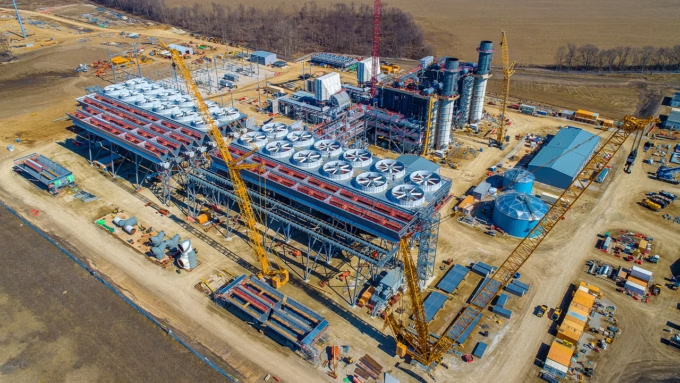
The Gas Renaissance: U.S. Data Centers Drive a New Era of Energy Development
Explore how America's data center surge is reshaping the gas power landscape,...
ABL2 Mins read



Mastering the Art of Inquisitive Engagement: Elevating Conversations in Miami’s Boardrooms
Explore how to transform your meeting dynamics by asking impactful questions that...
ABL3 Mins read

Leave a comment