
Revitalizing Heritage: The Casa Nacional de Moneda’s Ambitious Restoration Journey
 ABLUpdated 1 hour Ago2 Mins read5
A Testament to Time
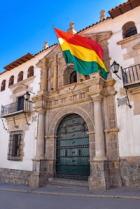
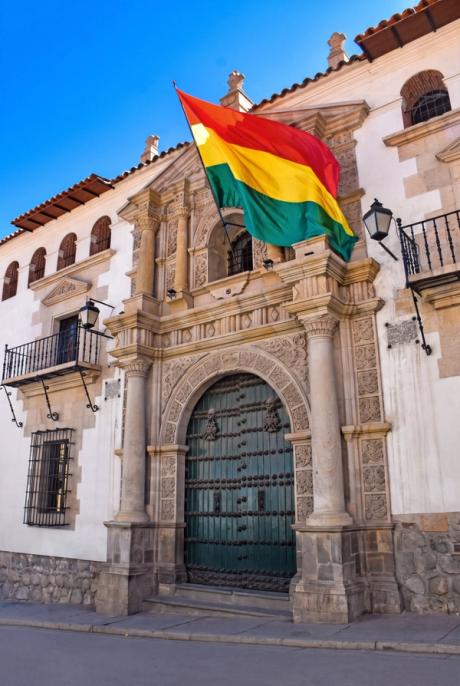
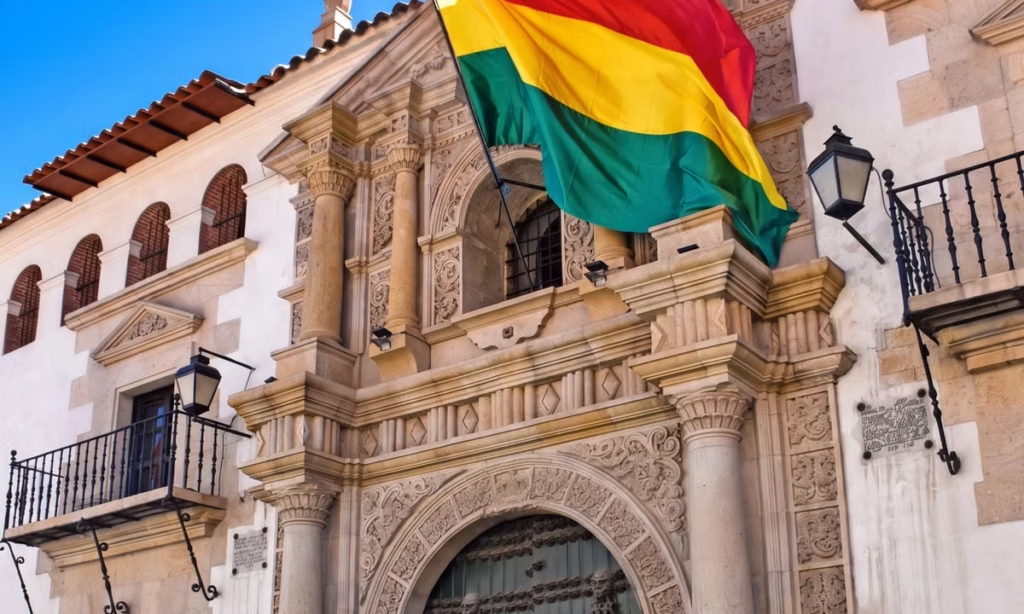
Nestled in the historical city of Potosí, the Casa Nacional de Moneda stands as a beacon of Bolivia’s rich colonial past and artistic legacy. Renowned for its extensive collection of silver artifacts, intricate coining machinery, and captivating colonial paintings, this museum is not merely a repository of art; it is a narrative of a nation’s evolution through trade, culture, and artistry. Recently, the museum announced a comprehensive five-year restoration project aimed at preserving its architectural integrity and cultural treasures.
Preserving Cultural Narratives
The Casa Nacional de Moneda is more than an exhibition space; it embodies the stories of a region that flourished during the colonial era, primarily through its mines that were once the source of immense wealth. The restoration initiative is set to address critical repairs to the museum’s roofs and stonework, ensuring that the structural components that house these narratives remain intact for future generations. This undertaking is essential not only for the preservation of the physical space but also for maintaining the cultural and historical context that the museum represents.
Rarity and Significance
In the realm of art and collectibles, the Casa Nacional de Moneda holds a unique position. Its collection is unparalleled in its focus on silver, which played a pivotal role in Bolivia’s economy and cultural identity. The museum’s artifacts are not only significant for their aesthetic appeal but also for their historical provenance, as they are tied to the very origins of a society shaped by colonialism and resource extraction. As the restoration progresses, the museum aims to enhance the display and accessibility of these rare items, elevating their significance in both local and international art markets.
A New Chapter for Art and Collectors
The impact of the Casa Nacional de Moneda’s restoration extends beyond its physical structure. Collectors and art enthusiasts alike will find renewed interest in Bolivian art and its historical context. As the museum revitalizes its collection, it will likely attract a broader audience, including international investors looking for opportunities in culturally rich and historically significant art. This renewed focus on provenance and market significance could transform how collectors perceive Bolivian artifacts, making them more desirable in a global market increasingly interested in authenticity and narrative.
Miami’s Connection to Global Art Movements
As a vibrant hub of art and culture, Miami is uniquely positioned to engage with the stories emerging from the Casa Nacional de Moneda. The city’s diverse art scene thrives on the fusion of cultural narratives, much like the narratives preserved in Potosí. Miami collectors and curators can draw parallels between the restoration of this Bolivian institution and their own efforts to promote and preserve underrepresented art forms. With an eye towards the future, Miami’s art community stands ready to embrace the cultural dialogues that such restorations inspire.
Looking Ahead
As the Casa Nacional de Moneda embarks on this monumental restoration journey, it invites the world to witness the revival of a cultural landmark. The project symbolizes a commitment to preserving not just artifacts, but the stories they tell—stories that resonate with the values of identity, heritage, and the intricacies of human experience. For those passionate about art and culture, the ongoing developments at this museum will be a compelling chapter in the broader narrative of Bolivia’s artistic legacy.
Editorial note: This article was created by A Bit Lavish Miami’s Magazine as an original editorial reinterpretation based on publicly available reporting. Original source: theartnewspaper.com. Read the original article here: https://www.theartnewspaper.com/2026/08/26/bolivia-museum-five-year-restoration-casa-nacional-moneda-potosi.
Images are used for editorial reference with source credit. If an image requires correction or removal, please contact A Bit Lavish.






Dolly Parton: A Muse Beyond Music
Exploring the profound impact of Dolly Parton on the art world, from...
ABL2 Mins read

The Subtle Artistry of Richard Tuttle: A Journey Through Influence and Legacy
Explore the profound influences shaping Richard Tuttle's unique artistic vision, from literature...
ABL3 Mins read

A Tapestry of Identity: The Taiwan Pavilion at Gwangju Biennale
Exploring the significance of the Taiwan Pavilion's naming controversy at the Gwangju...
ABL2 Mins read


A Cultural Shift: The Unraveling of Kehinde Wiley’s Diplomatic Masterpiece
Exploring the removal of Kehinde Wiley's painting from the US embassy in...
ABL2 Mins read

Leave a comment