
A Glimpse into the Shadows: The Caguaripano Case and the Perils of Justice in Venezuela
A Troubling Legal Landscape
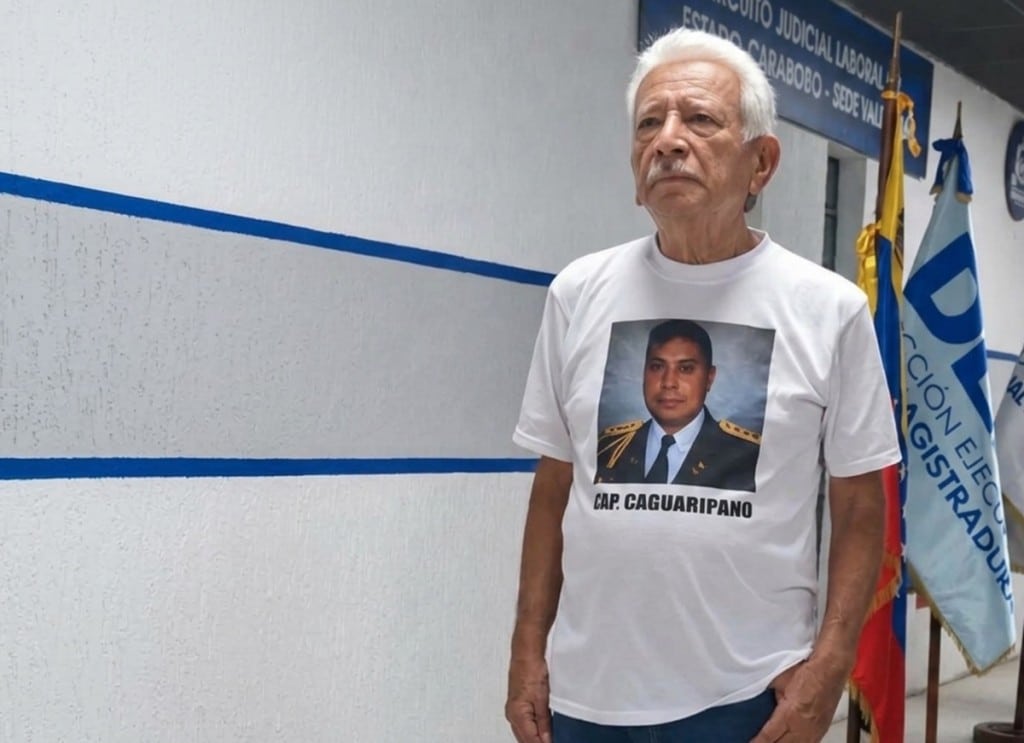
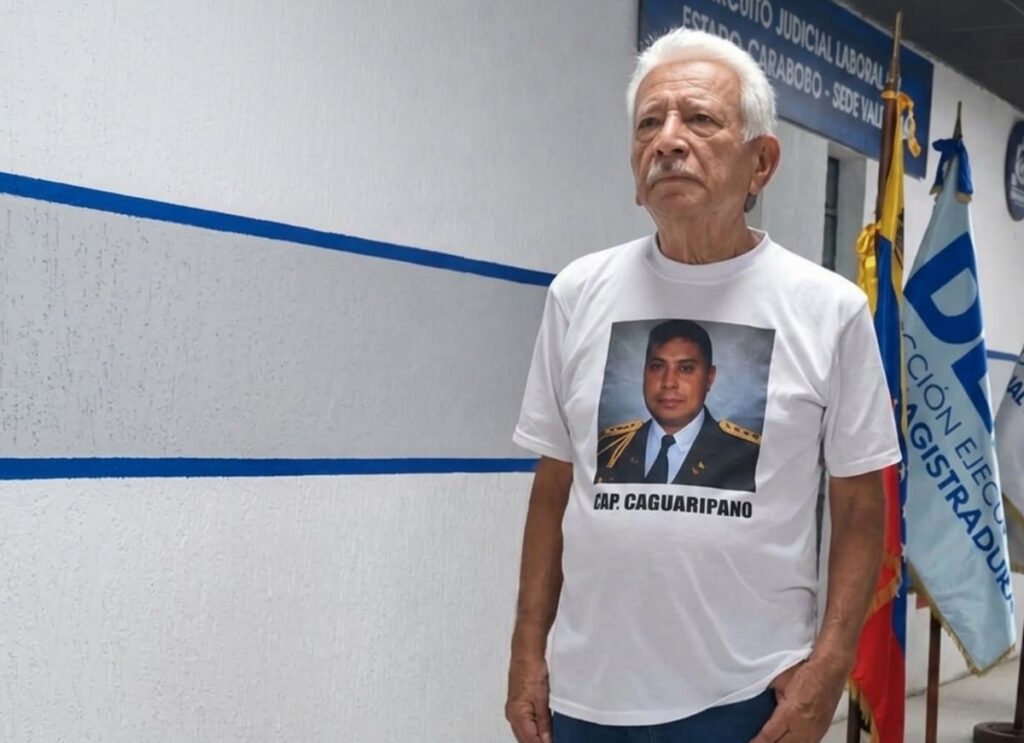
In the heart of Carabobo, a courtroom serves as the stage for a case that encapsulates the struggles of justice in Venezuela. The appeal trial for Captain Juan Carlos Caguaripano Scott and 22 others, originally sentenced to 30 years in prison for their involvement in the 2017 Fuerte Paramacay incident, has become a focal point of controversy. With irregularities tainting the proceedings, the implications of this case reflect broader concerns about human rights and the integrity of Venezuela’s judicial system.
Delays and Disruptions
Originally scheduled for 11:00 a.m., the hearing faced significant delays, resuming only around 3:45 p.m. Such interruptions raise questions about the efficiency and reliability of the judicial process. One notable factor contributing to the delay was the inability of a detained participant to connect remotely due to power outages at the Yare prison, a situation that highlights the systemic issues within Venezuela’s penal institutions.
The Weight of Accusations
Caguaripano and his co-defendants have endured a prolonged pre-trial detention period, exceeding eight years—far surpassing any legal limits set by Venezuelan law. This extended confinement is compounded by alarming reports of torture and inhumane treatment, documented by various human rights organizations. Families of the accused have shared harrowing accounts of physical and psychological trauma inflicted upon their loved ones while in custody.

A Plea for Due Process
As the appeal moves forward, the families and advocates are calling for adherence to due process and an end to what they describe as a politically motivated narrative surrounding the case. Irene Olazo Mariné, Caguaripano’s wife, who is currently in exile, insists that the legal proceedings have been marred by selective enforcement and discrimination, particularly in light of the government’s refusal to apply the amnesty law to military personnel involved in this case.
The Broader Implications
This case is not just about one man or a group of defendants; it serves as a microcosm of the ongoing struggle for justice in Venezuela. Political figures, activists, and organizations have rallied to support Caguaripano, arguing that his situation exemplifies the plight of political prisoners in the country. The denial of amnesty and the apparent targeting of military personnel raise critical questions about the nation’s commitment to human rights and the rule of law.
A Call for Change
The upcoming decisions from the Court of Appeals could potentially alter the trajectory for Caguaripano and his co-defendants. As the world watches, the case remains a poignant reminder of the need for judicial reform in Venezuela. The families of those imprisoned are not seeking privileges; they are asserting the right to a fair legal process, a fundamental principle that should transcend political affiliations and ideologies.
Conclusion
As the appeal unfolds, it is essential to remain vigilant and aware of the implications it holds for justice in Venezuela. The Caguaripano case is emblematic of the larger struggles faced by many in the country, highlighting the urgent need for systemic change to restore faith in the judicial process and uphold the human rights of all citizens.

Editorial note: This article was created by A Bit Lavish Miami’s Magazine as an original editorial reinterpretation based on publicly available reporting. Original source: efectococuyo.com. Read the original article here: https://efectococuyo.com/la-humanidad/reinicio-del-juicio-de-apelacion-de-caguaripano/.
Images are used for editorial reference with source credit. If an image requires correction or removal, please contact A Bit Lavish.





A Call for Justice: Amnesty International’s Urgent Plea for Venezuelan Detainees
Amnesty International demands the immediate release of hundreds of arbitrary detainees in...
 2 Mins read
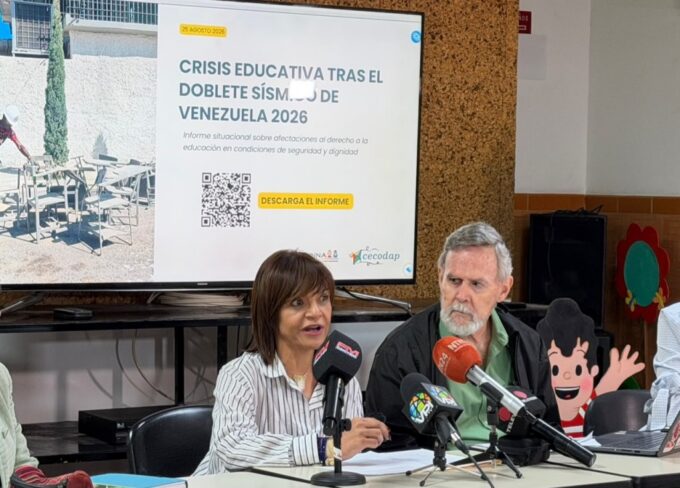
Reopening Classrooms in Venezuela: A Call for Safety and Evaluation
As Venezuela faces the aftermath of devastating earthquakes, experts urge for thorough...
 ABL2 Mins read

Rebuilding Hope: Techo’s Commitment to Earthquake Victims in Venezuela
Discover how the Chilean NGO Techo is helping earthquake victims in Venezuela...
ABL3 Mins read


Unprecedented Pause in U.S. Immigrant Visa Appointments: What It Means for Miami’s Venezuelan Community
Explore the recent halt in U.S. immigrant visa appointments and its implications...
ABL3 Mins read

Leave a comment