
US-Canada Trade War Escalates, Hitting Minnesota Farmers Hard
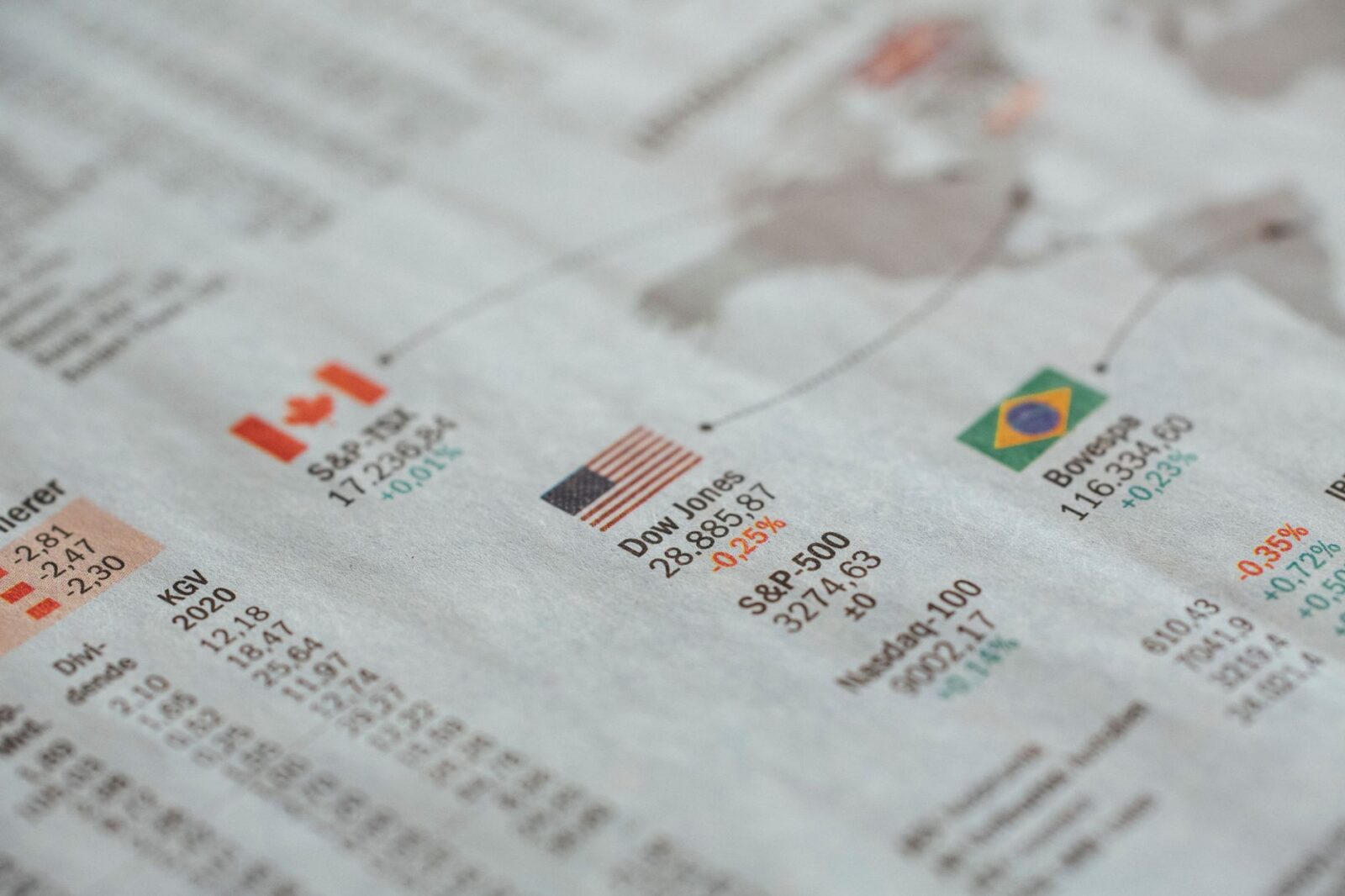
On August 28, 2026, tensions between the United States and Canada escalated as both nations announced new tariffs on each other’s agricultural products. This development directly affects Minnesota farmers, who are already grappling with economic pressures from a series of adverse weather conditions and market fluctuations.
The U.S. Trade Representative’s office confirmed that the newly imposed tariffs, which range from 15% to 25%, target key exports such as soybeans and corn, both of which are staples for Minnesota’s agricultural output. This decision follows Canada’s retaliatory measures against previous U.S. tariffs, creating a cycle of escalating trade barriers that threatens to disrupt the supply chain and diminish profit margins for local farmers.
This situation is drawing significant attention due to its potential ripple effects on the agricultural economy, not just locally but also nationally. Minnesota is one of the leading agricultural states in the U.S., and disruptions in trade with Canada, its largest trading partner, could lead to increased prices for consumers and decreased exports, further straining the economic landscape.
Looking ahead, stakeholders in the agricultural sector are calling for urgent negotiations to resolve these trade disputes. The Minnesota Department of Agriculture is expected to convene meetings with farmers and industry leaders to discuss strategies to mitigate the impact of these tariffs. Without swift action, the escalating trade war could lead to long-term damage to Minnesota’s agricultural sector and the broader U.S.-Canada relationship.
Source: Audacy







Trump Administration’s DHS Under Scrutiny for Surveillance of Journalists and Non-Profits
The Trump Administration's controversial surveillance practices raise significant concerns over press freedom...
 1 Mins read
Trump Administration Under Fire for Secretly Seizing Citizens’ Private Records Without Judicial Oversight
The Trump administration's actions raise urgent questions about civil liberties and governmental...
1 Mins read

FBI Eases Hiring Rules for Applicants with Past Prostitution Encounters
This significant policy shift could reshape recruitment practices and diversity within federal...
1 Mins read



NSA and FBI Confirm Ongoing Threat from Chinese Hackers Targeting U.S. Critical Infrastructure
U.S. agencies warn of active cyber threats from Chinese hackers, highlighting vulnerabilities...
1 Mins read
Leave a comment