
Trump Administration’s DHS Under Scrutiny for Surveillance of Journalists and Non-Profits
On August 29, 2026, reports emerged indicating that the Department of Homeland Security (DHS) under the Trump Administration has been utilizing an obscure legal provision to conduct surveillance on journalists, non-profit organizations, and labor unions. This revelation has ignited outrage among civil liberties advocates, who argue that such actions pose a grave threat to press freedom and democratic discourse.
The specific law in question, rarely invoked prior to this administration, allows for broad monitoring capabilities that critics claim have been misused to target individuals and entities critical of government policies. Organizations including the American Civil Liberties Union (ACLU) and various journalist associations have condemned these practices, labeling them as an infringement on constitutional rights.
This issue is particularly urgent as the global community grapples with the balance between national security and civil liberties. The timing of these revelations comes as the United States faces heightened scrutiny regarding its treatment of the press, especially in an era marked by increasing polarization and misinformation. As public trust in government institutions wanes, the implications of such surveillance could further erode confidence in the democratic process.
Looking ahead, it is anticipated that legal challenges will arise as affected parties seek accountability from the DHS. Congressional hearings may also be on the horizon as lawmakers from both sides of the aisle express concern over the implications of these surveillance tactics. The outcomes of these developments could significantly shape the landscape of press freedom and civil liberties in the United States.
Source: The Guardian





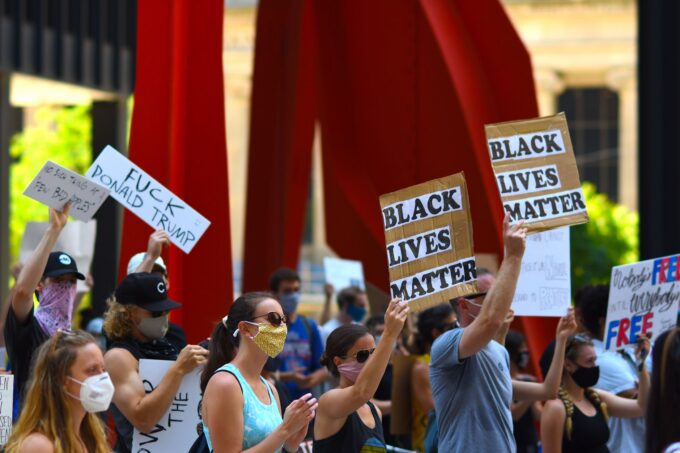
Trump Administration Under Fire for Secretly Seizing Citizens’ Private Records Without Judicial Oversight
The Trump administration's actions raise urgent questions about civil liberties and governmental...
 1 Mins read

FBI Eases Hiring Rules for Applicants with Past Prostitution Encounters
This significant policy shift could reshape recruitment practices and diversity within federal...
1 Mins read

NSA and FBI Confirm Ongoing Threat from Chinese Hackers Targeting U.S. Critical Infrastructure
U.S. agencies warn of active cyber threats from Chinese hackers, highlighting vulnerabilities...
1 Mins read


Two Nigerians Charged with Sextortion in U.S. Amid Growing Global Concern
The case highlights the escalating issue of sextortion, drawing international attention to...
1 Mins read
Leave a comment