
A Shift in Strategy: Colombia’s New Direction Under President De la Espriella
The Winds of Change in Colombian Politics
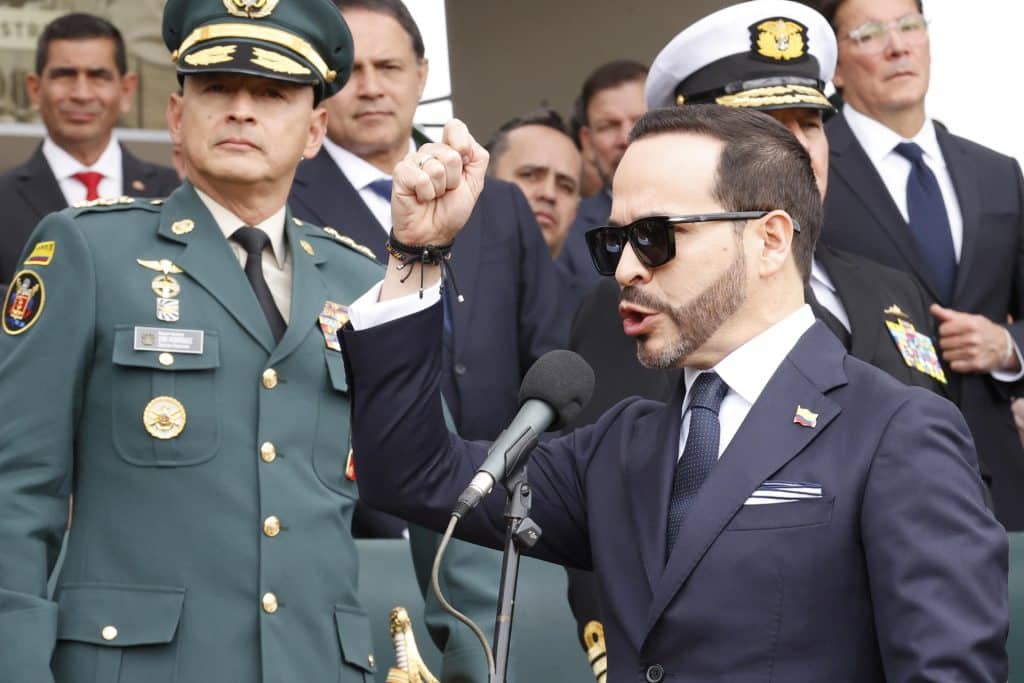
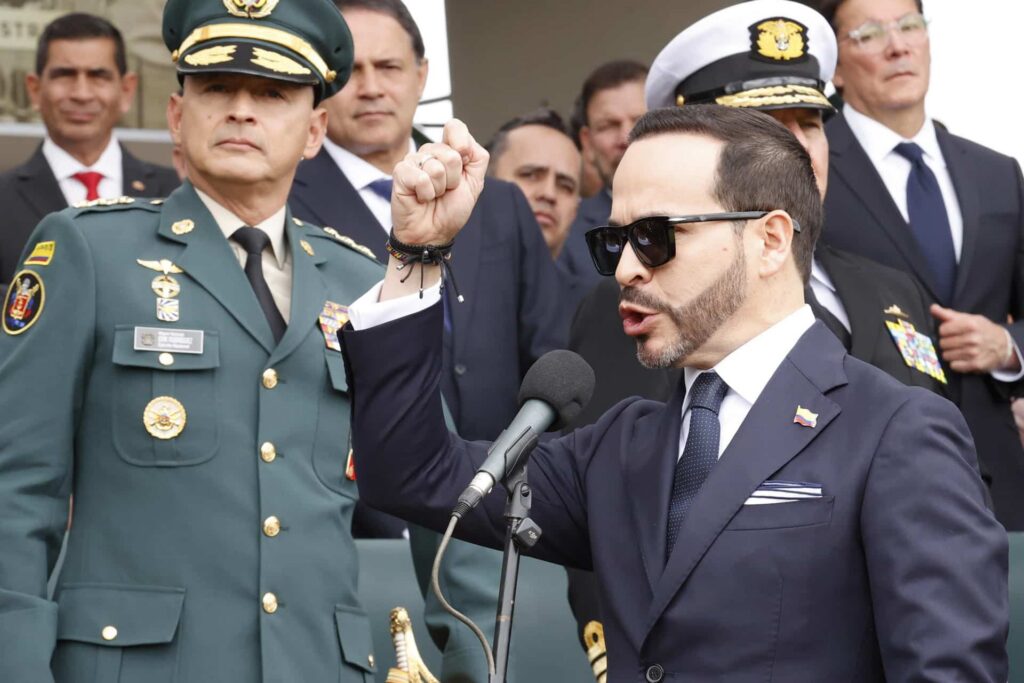
In a bold move that signals a departure from previous attempts at reconciliation, Colombian President Abelardo de la Espriella has formally concluded negotiations with various illegal armed groups. This decision, which revokes the peace dialogues initiated by his predecessor, Gustavo Petro, underscores a significant shift in Colombia’s approach to addressing long-standing issues of violence and insurgency.
Understanding the Context of Peace Talks
The dialogues, commonly referred to as the “peace total” initiative, aimed to establish a framework for peace with multiple factions, including the remnants of the FARC guerrilla and other armed groups. However, the recent resolutions announced by President De la Espriella reflect a critical assessment of these efforts, indicating a perceived lack of genuine commitment to the peace process from the groups involved.
Revocation of Negotiator Credentials
As part of this strategic pivot, the De la Espriella administration has rescinded the credentials of government negotiators who were previously engaged in discussions with these factions. This includes notable figures such as Armando Novoa, the chief negotiator with the Coordinadora Nacional Ejército Bolivariano (CNEB). Novoa criticized the move as unnecessary, given that the group had already signaled their intention to withdraw from negotiations.
Implications for Security and Stability
With the dialogue table dismantled, the Colombian government appears poised to adopt a more confrontational stance against illegal armed groups, which have long plagued the nation with violence. This shift is particularly significant in the context of ongoing strife with entities like the Ejército de Liberación Nacional (ELN) and the disbanded FARC’s dissident factions.
Challenges and Criticisms
The abrupt cessation of talks has drawn both support and criticism. Proponents of the new approach argue that the previous government’s strategy was overly lenient and failed to yield tangible results. Critics, however, caution that abandoning dialogue could exacerbate tensions and lead to further violence. The nuanced dynamics of Colombia’s internal conflicts require careful navigation to avoid resurgence of armed confrontations.
Looking Ahead: The Path Forward
As Colombia embarks on this new chapter under De la Espriella’s leadership, the focus will likely shift toward strengthening state security measures and enhancing the military’s role in combating armed groups. The administration’s commitment to a more hardline approach raises questions about the long-term impacts on peace and stability in Colombia.
In Miami and beyond, observers will be keenly watching how this policy shift unfolds and its broader implications for regional security and collaboration.
Editorial note: This article was created by A Bit Lavish Miami’s Magazine as an original editorial reinterpretation based on publicly available reporting. Original source: efectococuyo.com. Read the original article here: https://efectococuyo.com/internacionales/de-la-espriella-anuncio-fin-de-conversaciones-de-paz-con-grupos-armados/.
Images are used for editorial reference with source credit. If an image requires correction or removal, please contact A Bit Lavish.







A Message from Behind Bars: Nicolás Maduro’s Hopeful Gesture
Exploring Nicolás Maduro's recent photographs shared from prison, symbolizing resilience and hope...
 2 Mins read
Navigating Venezuela’s Political Landscape: A Dialogue for Change
An insightful exploration of the recent political dialogue in Venezuela, examining progress,...
2 Mins read

The Youthful Renaissance of Chavismo: Analyzing Political Shifts in Venezuela
Explore the emerging youth leadership within the PSUV and its implications for...
2 Mins read


Venezuela’s Resource Sovereignty: A New Era of Collaboration
Exploring Venezuela's commitment to maintaining control over its resources while collaborating with...
2 Mins read

Leave a comment