
A Bold Vision for Little Havana: Miami’s Upzoning Initiative
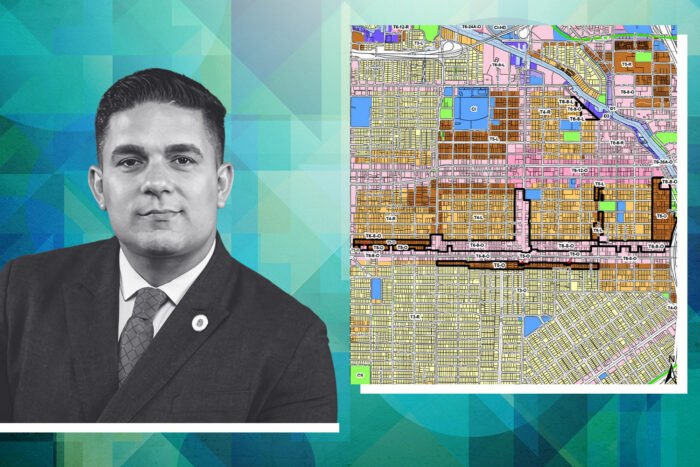
Transformative Ambitions in Little Havana
In a city renowned for its vibrant culture and dynamic real estate market, Miami is once again positioned for significant transformation. The focus of this evolution is Little Havana, a neighborhood steeped in rich history and cultural significance. The city is championing an ambitious upzoning initiative aimed at reshaping how this area—and adjacent parcels near the Miami River—will develop in the years to come.
Reimagining Urban Density
The proposed zoning changes are not merely cosmetic; they are set to allow for taller buildings that could accommodate nearly 20,000 new residents. As Miami continues to grow, the demand for housing remains a pressing concern, and the city’s latest strategy reflects an intent to increase urban density. By enabling larger structures, the city hopes to maximize the potential of its land resources while fostering a diverse residential community.
Balancing Growth with Community Needs
However, the initiative raises critical questions about the balance between development and community welfare. Notably absent from the city’s plans is a requirement for affordable housing, a decision that has sparked debate among residents, developers, and urban planners. Critics argue that without such mandates, the upzoning could exacerbate the existing affordability crisis, pushing long-term residents out of their homes in favor of new market-rate developments.
A Historical Context
Little Havana has long been a hub of Cuban-American culture and a symbol of Miami’s multicultural tapestry. The neighborhood has witnessed a series of changes over the decades, often reflecting broader economic trends and demographic shifts. As the city embraces this latest phase of growth, it must grapple with preserving the cultural identity that defines Little Havana, all while accommodating the influx of new residents and investments.
Architectural Aspirations
The architectural landscape of Little Havana is poised for transformation, with proposals hinting at modern, innovative designs that respect the historical context of the area. The challenge will be to integrate contemporary aesthetics with the neighborhood’s rich heritage. Forward-thinking architects and developers are tasked with creating spaces that resonate with both new inhabitants and the existing community, ensuring that the essence of Little Havana remains intact.
A City’s Vision for the Future
Backed by the city of Miami, the upzoning measures illustrate a strategic vision aimed at fostering economic growth and enhancing the urban environment. As cities globally face the dual challenges of accommodating growing populations while maintaining livability, Miami’s approach in Little Havana may serve as a case study for other municipalities. The outcome of this initiative could very well set a precedent for future developments across the city.
The Road Ahead
As the dialogue around the proposed zoning changes unfolds, it is crucial for stakeholders—including residents, city officials, and developers—to engage in meaningful discussions. Finding common ground will be essential to ensure that Little Havana evolves in a manner that honors its past while embracing a thriving future. The stakes are high, and the decisions made today will shape the neighborhood for generations to come.
Editorial note: This article was created by A Bit Lavish Miami’s Magazine as an original editorial reinterpretation based on publicly available reporting. Original source: therealdeal.com. Read the original article here: https://therealdeal.com/miami/2026/09/01/miamis-next-upzoning-targets-little-havana-miami-river/.
Images are used for editorial reference with source credit. If an image requires correction or removal, please contact A Bit Lavish.



Upper Canada Mall Acquired for $411 Million: A Major Shift in Commercial Real Estate
The recent acquisition of Upper Canada Mall for $411 million signals significant...
 1 Mins read

Protests Erupt in Spain Over Housing Crisis as Tenant Unions Demand Action
Mass protests in Spain highlight the urgent need for housing solutions amid...
2 Mins read

Protests Erupt Across Spain Over Housing Crisis Amid Rising Evictions
Hundreds of thousands take to the streets as Spain grapples with a...
2 Mins read



Nationwide Protests Erupt in Spain Following Eviction of Elderly Woman
Protests across Spain highlight urgent housing rights issues after the eviction of...
2 Mins read
