
US Implements New Sanctions on Cuba, Heightening Economic Pressure
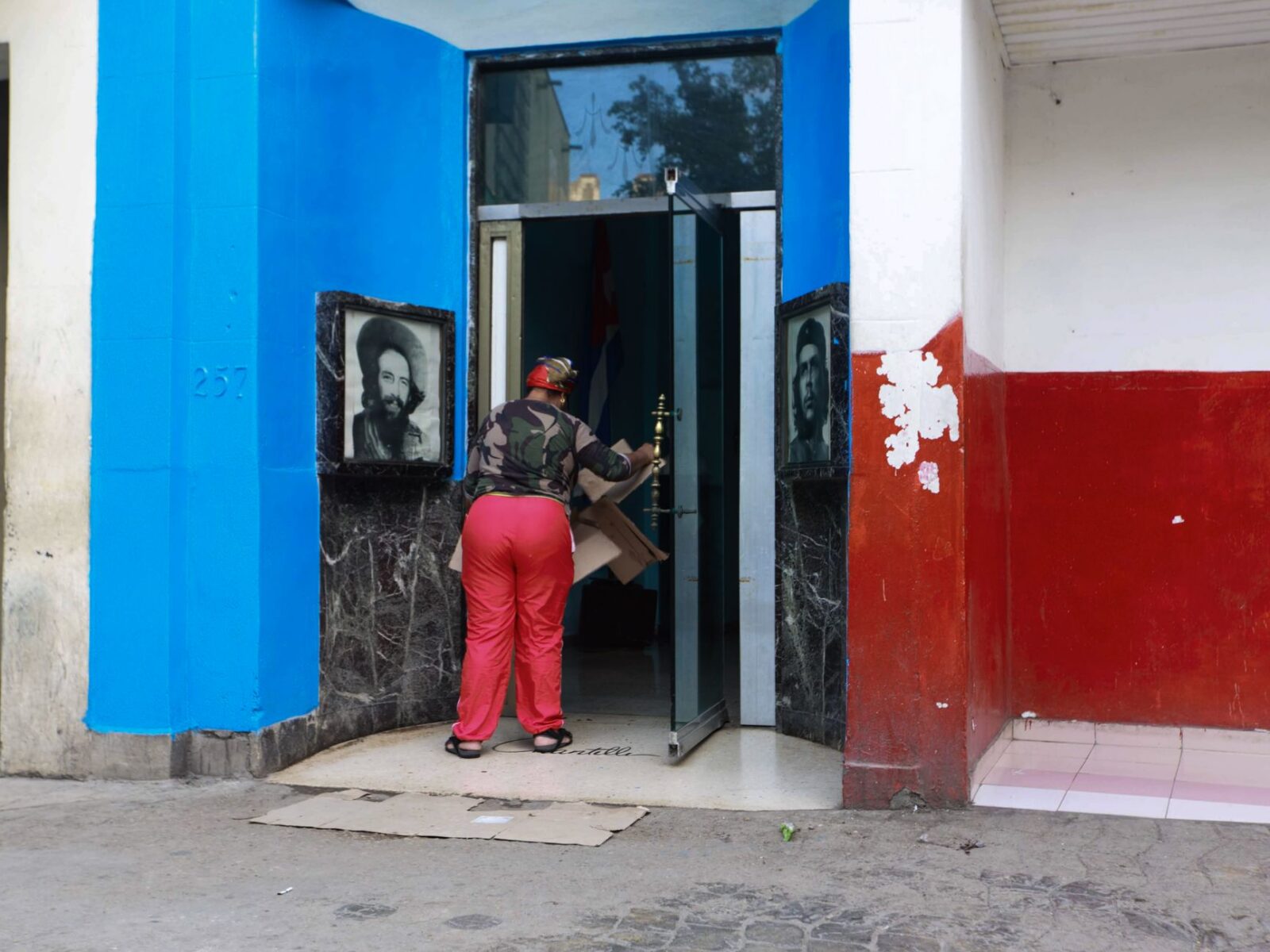
On September 4, 2026, the United States announced a new series of economic sanctions aimed at Cuba, intensifying its ongoing campaign to pressure the Cuban government. This latest round of sanctions is part of a broader strategy to weaken the regime led by President Miguel Díaz-Canel, who has faced increasing domestic unrest and international isolation.
The sanctions come in the wake of allegations regarding human rights violations and the suppression of political dissent in Cuba. They specifically target key sectors of the Cuban economy, including tourism and remittances, which are vital for the island’s financial stability. The US Treasury Department stated that these measures are intended to hold the Cuban government accountable for its actions and to support the Cuban people’s aspirations for freedom and democracy.
This development is receiving heightened attention due to the ongoing economic challenges faced by Cuba, exacerbated by the COVID-19 pandemic and compounded by the effects of previous sanctions. The current sanctions are expected to have immediate implications for the Cuban economy, further limiting access to foreign capital and increasing the hardship on ordinary citizens.
Looking ahead, analysts predict that these sanctions could provoke a stronger response from the Cuban government, potentially leading to increased crackdowns on dissent. Additionally, the situation may prompt discussions among regional allies regarding humanitarian aid and diplomatic engagement strategies aimed at mitigating the humanitarian impact on the Cuban populace.
Source: Al Jazeera






Missouri Voters Set to Decide New Congressional Map in November 2026
The upcoming vote on Missouri's congressional map could reshape political representation and...
 1 Mins read

Minnesota Officials Challenge Trump Administration’s Supreme Court Mail Ballot Request
The Trump administration's Supreme Court request to alter mail ballot rules in...
1 Mins read

Kansas State Fair Hosts Gubernatorial and Senate Debate
The Kansas State Fair's upcoming debates spotlight critical issues in U.S. governance...
1 Mins read



Sen. Mitch McConnell Expected to Return to Senate Next Week
Sen. Mitch McConnell's potential return is crucial for GOP leadership amid ongoing...
1 Mins read
Leave a comment