
Senate Aide’s Lobbying Side Gig Sparks Ethical Scrutiny
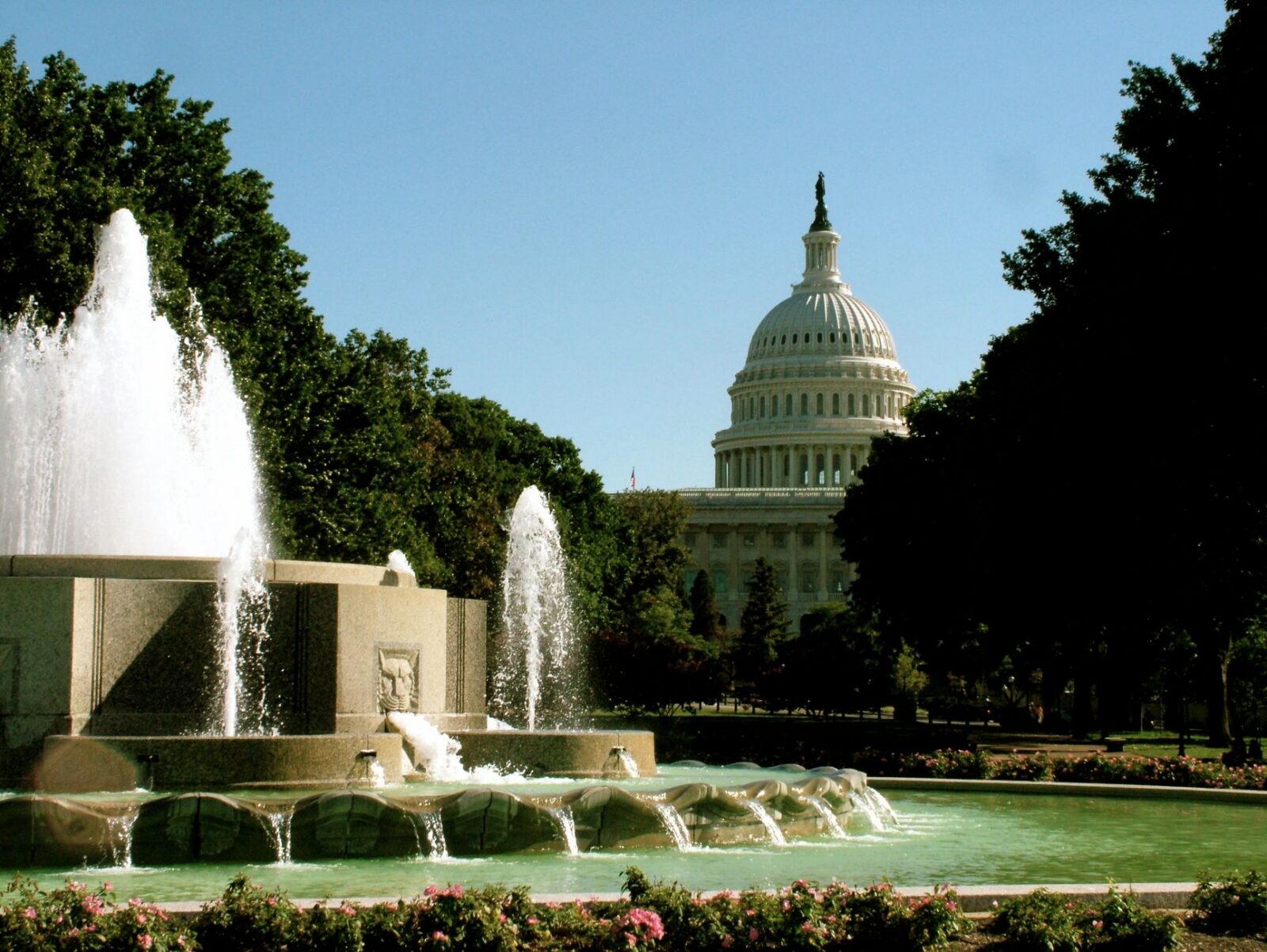
In a significant development today, September 7, 2026, a Senate aide’s secondary role as a lobbyist has come under scrutiny, raising ethical questions regarding the intersection of public service and private interests. The aide, whose identity has not been disclosed, is said to have engaged in lobbying efforts while simultaneously serving in a legislative capacity, prompting calls for greater transparency in government operations.
This situation has unfolded in Washington, D.C., where the aide’s dual roles have attracted attention from both political opponents and watchdog groups, who argue that such practices may undermine public trust in governmental institutions. The controversy is exacerbated by existing regulations that govern lobbying activities, which critics claim are insufficient to prevent conflicts of interest among public officials.
The implications of this incident are substantial, as it highlights ongoing concerns about the ethical frameworks guiding legislative aides and the potential for misuse of their positions. With lobbying expenditures reaching approximately $3.5 billion in 2025, as reported by the Center for Responsive Politics, the need for stringent oversight has never been more pressing. This case has prompted renewed discussions about potential reforms aimed at increasing accountability and transparency within lobbying practices.
As this story develops, observers will be closely monitoring any actions taken by the Senate ethics committee, which may initiate an investigation into the aide’s activities. Furthermore, the situation may galvanize lawmakers to propose new legislation aimed at tightening lobbying regulations, reflecting a growing public demand for ethical governance in U.S. politics.
Source: Politico







Anti-Immigrant Sentiment Drives MAGA and AfD Unity Amid Rising Extremism
The convergence of MAGA and AfD ideologies underscores a global rise in...
 1 Mins read

ICE Conducts Significant Operation in Virginia Targeting Immigration Violations
This operation underscores ongoing national efforts to enforce immigration laws and its...
1 Mins read

Reflecting on 25 Years Since 9/11: A Transformative Era for U.S. Homeland Security
The legacy of 9/11 continues to shape global security policies and civil...
1 Mins read


UN Rights Chief Warns of ‘Existential’ Threat Posed by AI
The UN's warning highlights urgent global concerns over AI's potential risks to...
1 Mins read

Leave a comment