
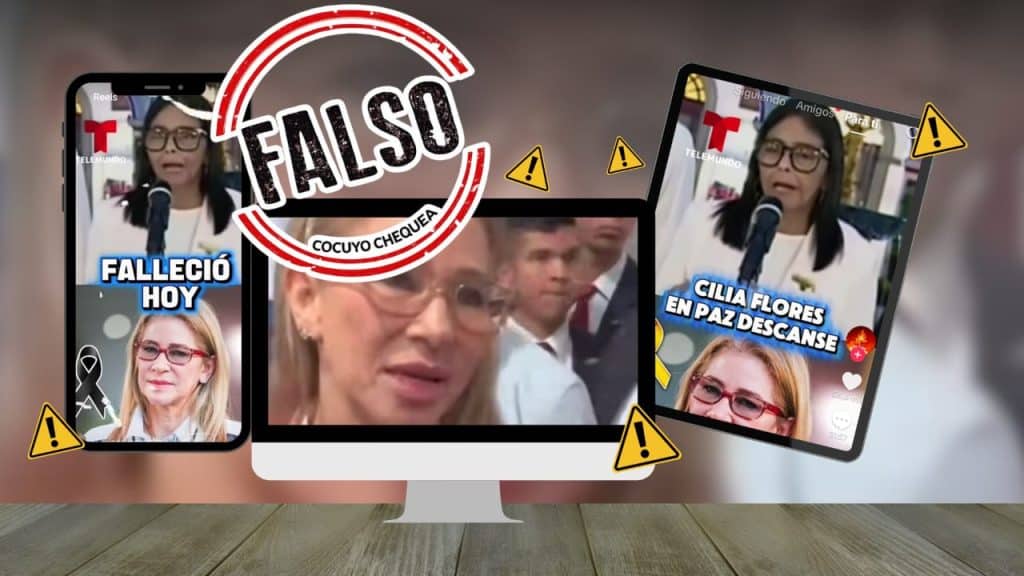
Digital Deception in the Age of AI
In a world increasingly dominated by digital communication, the potential for misinformation has never been greater. A recent incident involving Venezuelan political figures Delcy Rodríguez and Cilia Flores has brought this issue to the forefront, revealing how artificial intelligence can be manipulated to create convincing yet entirely false narratives.
Unraveling the Fabricated Narrative
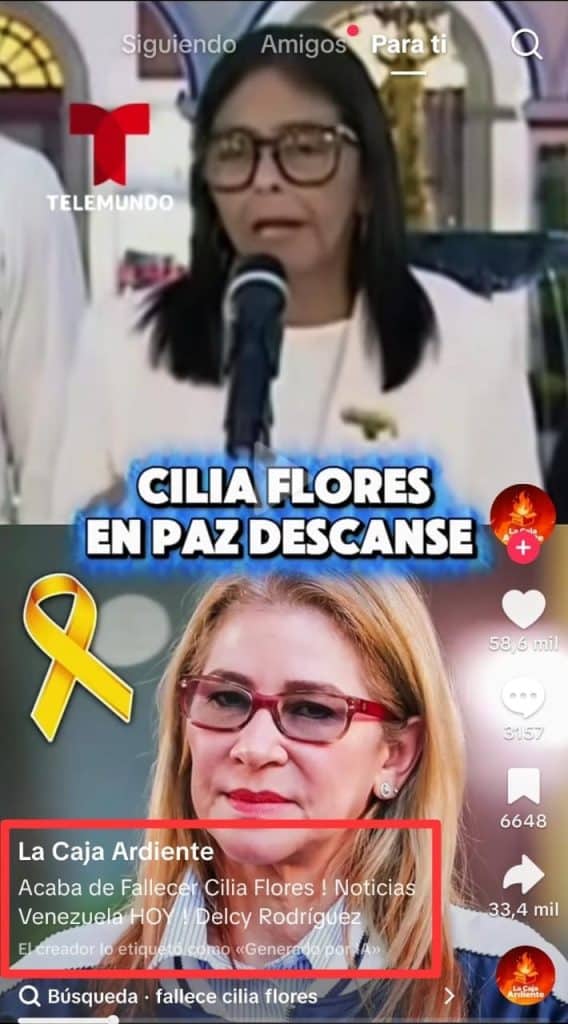
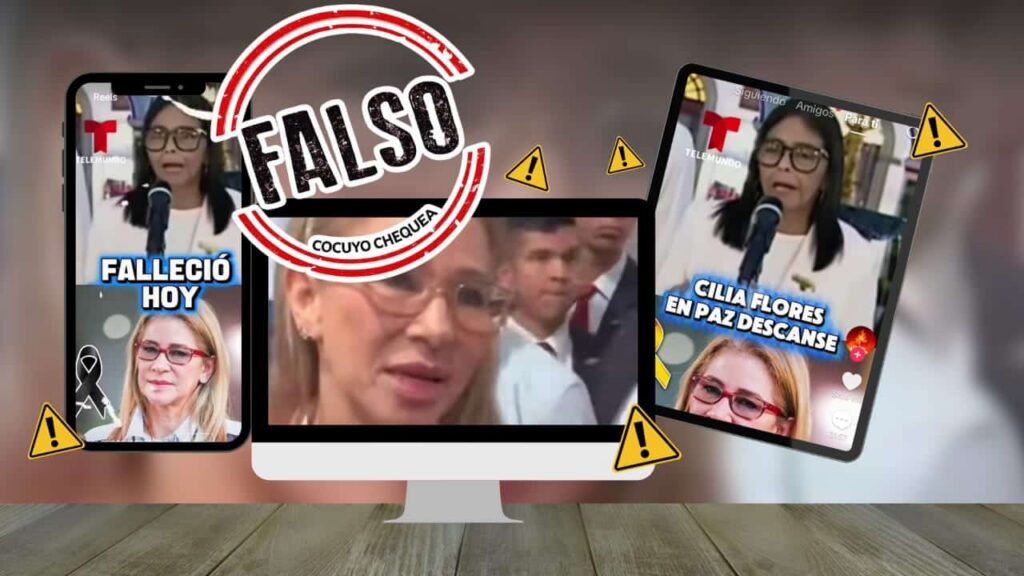
On August 29, 2026, a video surfaced on social media claiming that Cilia Flores had passed away in a New York prison. The clip featured images of Flores and Rodríguez, with an audio overlay that included false statements regarding the circumstances surrounding Flores’ alleged death. The narrative was delivered through two distinct voices, one purportedly from Rodríguez, stating, “Nuestra primera dama y combatiente Cilia Flores murió esta mañana en la cárcel de Nueva York.” This statement was followed by a male voice elaborating on the supposed tragedy, claiming it sent shockwaves across the continent.
Verifying the Truth
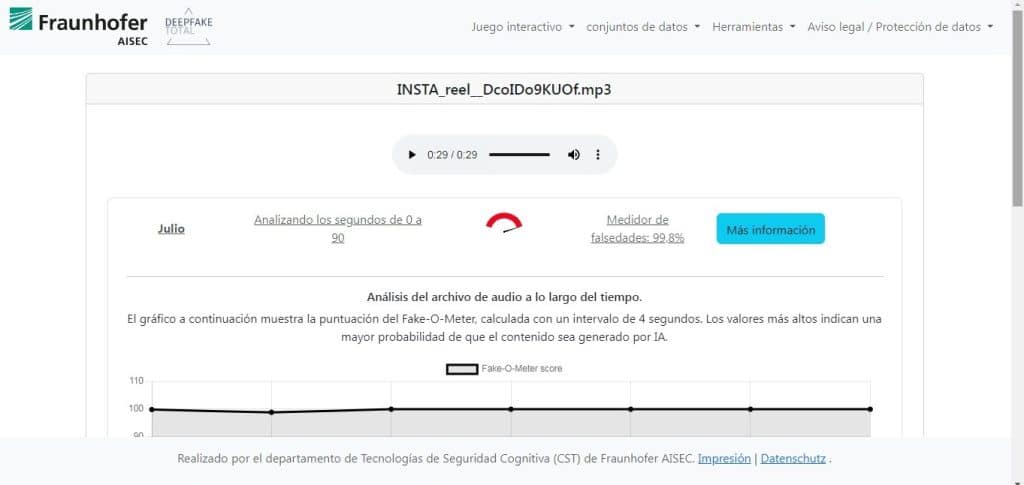
Prompted by rising concerns among users, the verification team at Efecto Cocuyo utilized advanced tools to analyze the audio in question. Their findings, conducted with Deepfake Total, indicated a staggering 99.8% probability that the audio was artificially generated. This revelation was critical in debunking the claims being circulated, particularly as the video gained traction, amassing over 577,000 views on Instagram alone.
The Technology Behind Misinformation
The use of AI in creating misleading content is not just a technological phenomenon; it poses significant ethical questions. The analysis revealed that not only was the supposed voice of Rodríguez fabricated, but the accompanying male voice had also been synthesized. Tools such as CapCut were used to produce the audio, which further complicates the landscape of information dissemination in the digital age.
Lessons from the Venezuelan Context
This incident serves as a critical reminder of the importance of media literacy, especially in politically charged environments like Venezuela. With previous confirmations of the video’s falsehood by credible sources like Cotejo.info, which first debunked the claims in March 2026, it is evident that the cycle of misinformation can persist despite factual evidence. The resurgence of this content in July 2026 highlights the need for vigilance and proactive measures in combating disinformation.
Building a Culture of Verification
As misinformation continues to spread, platforms like La Tía de WhatsApp and Telegram provide essential services for fact-checking and verification. Citizens are encouraged to leverage these resources whenever they encounter potentially dubious claims. The incident involving Rodríguez and Flores underscores the need for a comprehensive approach to information verification, involving both technological tools and community engagement.
Conclusion: A Call for Awareness
The proliferation of AI-generated disinformation is a pressing concern that transcends borders. It calls for a collective response from individuals, media professionals, and technology developers alike. As misinformation threatens to undermine trust in legitimate sources, fostering a culture of verification and critical engagement with information becomes paramount. In a rapidly evolving digital landscape, the responsibility lies with all of us to discern fact from fiction.
Editorial note: This article was created by A Bit Lavish Miami’s Magazine as an original editorial reinterpretation based on publicly available reporting. Original source: efectococuyo.com. Read the original article here: https://efectococuyo.com/cocuyo-chequea/audio-atribuido-a-delcy-rodriguez-sobre-la-supuesta-muerte-de-cilia-flores-fue-generado-con-ia/.
Images are used for editorial reference with source credit. If an image requires correction or removal, please contact A Bit Lavish.








The Silent Struggle: A Tale of Injustice in Venezuela
Explore the ongoing plight of Venezuelan political prisoner Igbert Marín Chaparro, as...
 ABL2 Mins read

Analysis of Trump’s Oil Deal with Venezuela: Implications for U.S. Relations and Global Markets
The recent analysis of Trump's oil deal with Venezuela reveals significant implications...
ABL2 Mins read
Unlocking the Future: Venezuela’s Oil Deal and its Promise for Democracy
Explore the implications of the recent oil agreement in Venezuela, its potential...
ABL2 Mins read


The Unyielding Cycle of Injustice in Venezuela: A Tale of Two Sisters
Discover the harrowing journey of Rusmarelis Zacarías and Rosanis Medina, two sisters...
ABL2 Mins read

Leave a comment