
Hurricane Lowell Moves Past Hawaii, Leaving Heavy Rain and Flooding Threats
 ABLUpdated 2 hours Ago2 Mins read8
HONOLULU — September 8, 2026
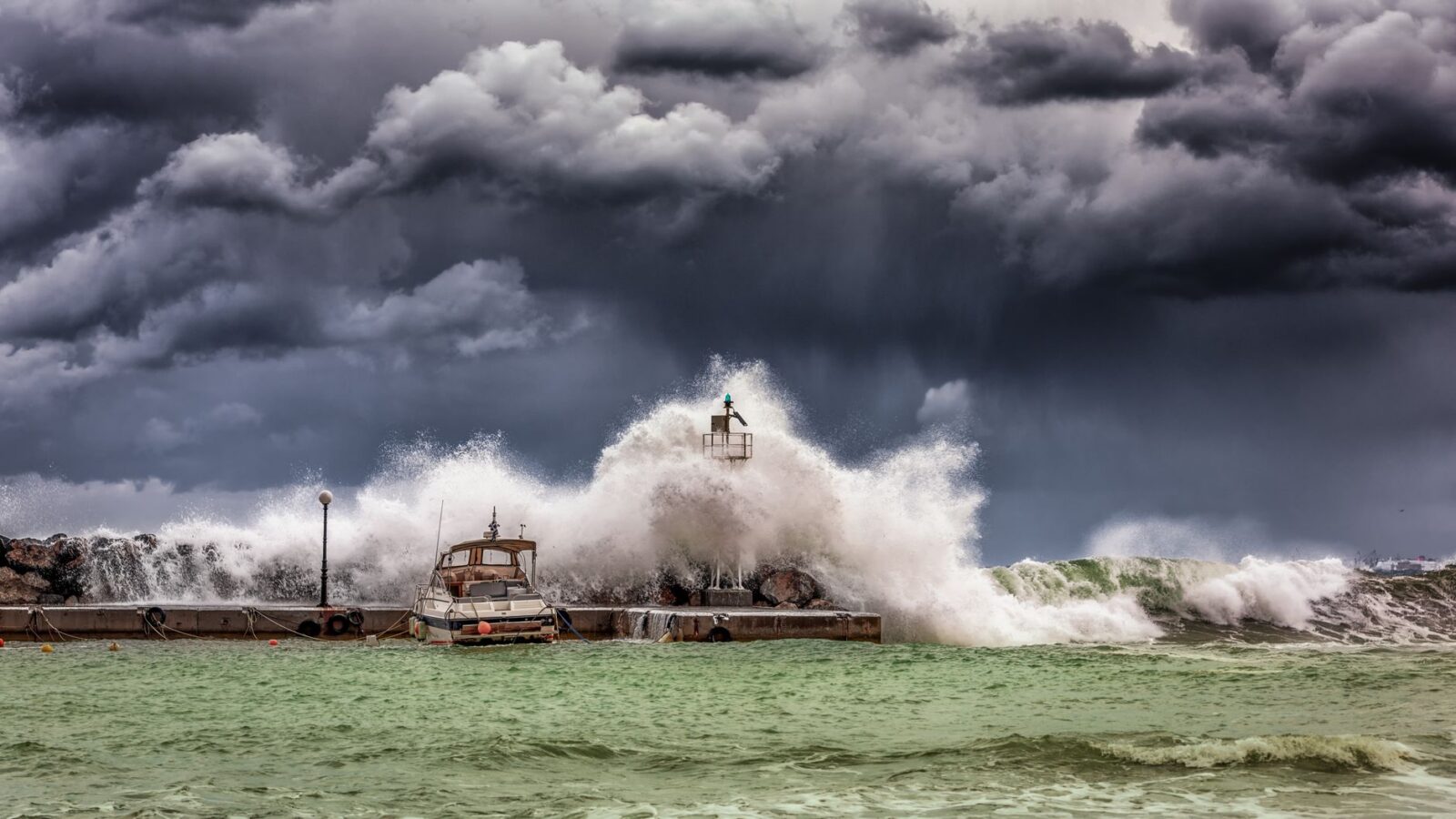
Hurricane Lowell has moved past Hawaii, but the aftermath poses significant public safety risks for the islands, with heavy rain, strong winds, and potential flooding threatening residents and infrastructure.
The storm, which reached its peak intensity earlier this week, made its closest approach to the Hawaiian Islands on September 7, 2026. As of today, the National Hurricane Center has reported that the hurricane has transitioned into a post-tropical cyclone, but the effects of its passage are still being felt across the region.
Local authorities, including the Hawaii Emergency Management Agency (HI-EMA), have issued warnings regarding the ongoing threats of flash flooding and landslides, particularly in areas that are prone to such hazards. The heavy rainfall is expected to continue throughout the day, with some regions anticipating accumulations of up to 10 inches in isolated areas.
The direct impact of Hurricane Lowell has involved sustained winds of up to 70 mph, which have already caused power outages affecting thousands of residents. As of this morning, approximately 15,000 customers were reported to be without electricity, according to Hawaiian Electric. Crews are mobilizing to restore power, but the combination of downed trees and flooding complicates their efforts.
The storm’s trajectory and intensity were closely monitored by the Central Pacific Hurricane Center, which had issued various advisories leading up to the storm’s landfall. The decision to declare a state of emergency was made by Governor Josh Green on September 6, allowing for the mobilization of resources and assistance to affected areas.
Hurricane Lowell’s impact is receiving heightened attention due to the ongoing vulnerability of Hawaii to severe weather events, exacerbated by climate change. The islands have faced increasing frequency and intensity of storms in recent years, raising concerns about infrastructure resilience and disaster preparedness.
As the situation develops, local officials are urging residents to remain vigilant and heed safety advisories. The potential for further flooding and landslides remains a critical concern, particularly in low-lying and mountainous areas.
In the coming days, assessments of the damage will begin, and recovery efforts will be prioritized. The state will likely seek federal assistance to aid in the recovery process, which could involve significant financial implications for both local and national resources.
As Hurricane Lowell continues to dissipate, the focus will shift to recovery and rebuilding efforts, with an emphasis on improving infrastructure resilience against future storms. The lessons learned from this event will be crucial in shaping Hawaii’s approach to disaster preparedness moving forward.
Source: Straight Arrow










Tragic Discovery: Four Found Dead After Miami Family’s Plane Goes Missing Off Bahamas
A Miami family's small plane went missing over the Bahamas, leading to...
ABL1 Mins read
Hurricane Lowell Causes Severe Flooding and Public Safety Concerns in Hawaii
Hurricane Lowell has made landfall in Hawaii, bringing heavy rain, flooding, and...
ABL2 Mins read

NTSB Investigation Underway Following Amazon Cargo Plane Crash in Miami
The National Transportation Safety Board is investigating a recent cargo plane crash...
ABL1 Mins read



Democratic Leaders Remain Silent on NYPD Official Linked to Gang Violence Incident
The silence of Democratic leaders on a police official's ties to gang...
 1 Mins read

Leave a comment