
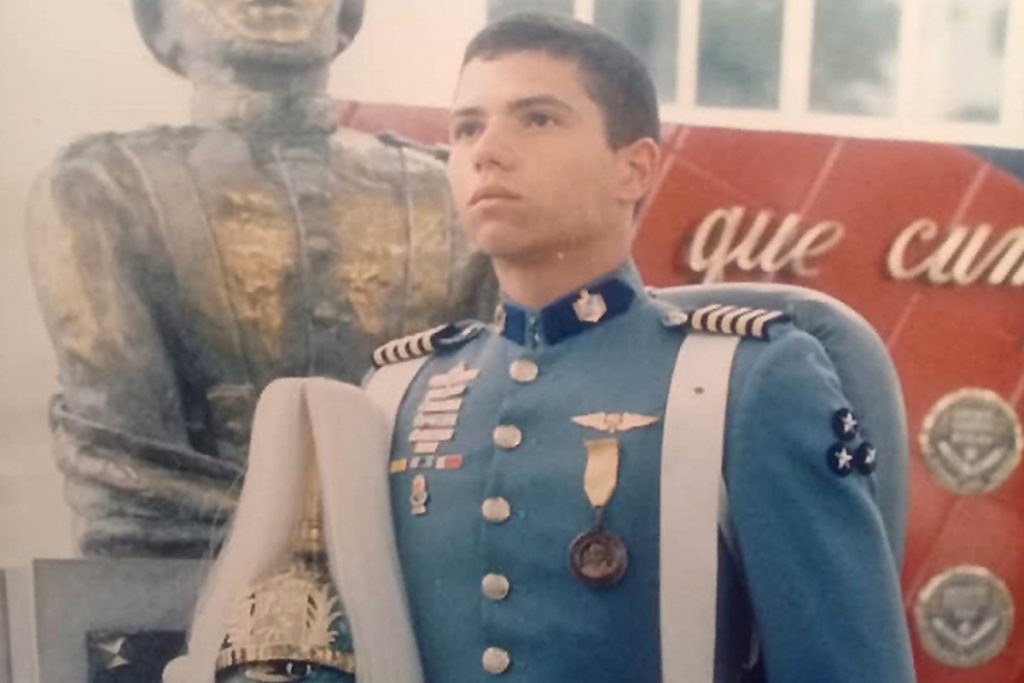
A New Chapter of Injustice
In a recent development that has sent ripples through the human rights community, Venezuelan opposition leader María Corina Machado has raised alarm over the renewed legal woes facing Lieutenant Colonel Igbert José Marín Chaparro. Once a celebrated figure within the military ranks, Marín Chaparro has become emblematic of the regime’s crackdown on dissent and the manipulation of justice in Venezuela.
A Life Marked by Resilience
Marín Chaparro, who has been a political prisoner since March 2018, was initially sentenced to 7 years and 6 months for alleged instigation of rebellion—a charge many see as politically motivated. His imprisonment has been marked by severe conditions, including multiple hunger strikes and reports of torture. With his health deteriorating alarmingly, his family has voiced concerns over his well-being, further underscoring the grim reality faced by political prisoners in Venezuela.
Unraveling the Case of La Viñeta
The latest accusations against Marín Chaparro stem from the so-called “Case of La Viñeta,” a plot the Maduro government claims to have unraveled in 2023. Official narratives suggest a conspiracy targeting the life of President Nicolás Maduro and Defense Minister Vladimir Padrino López, allegedly involving both military personnel and civilians. However, critics—including human rights organizations—have branded these claims as fabrications, asserting that detainees have been coerced into making false confessions under duress.

The Struggle for Justice
Machado’s denunciation highlights the broader context of political repression in Venezuela. She emphasizes that the new allegations against Marín Chaparro are particularly egregious, as they pertain to actions he purportedly committed while incommunicado. This raises critical questions about the integrity of the judicial process in a country where the rule of law has been consistently undermined.
The International Response and Human Rights Advocacy
The plight of Marín Chaparro has not gone unnoticed on the international stage. The United Nations’ Working Group on Arbitrary Detention has called for his release, emphasizing the arbitrary nature of his continued imprisonment. Human rights organizations echo this sentiment, advocating for an end to the use of judicial mechanisms as tools of repression against political adversaries.
A Call to Action
As the situation unfolds, the international community watches closely. There is a growing consensus that the treatment of Marín Chaparro—and others like him—reflects a troubling trend in Venezuela’s political landscape, where dissent is met with severe repercussions. Machado’s call for justice is not just a plea for one man; it is a clarion call for the fundamental human rights of all Venezuelans.
Connecting the Dots: Miami’s Role in the Dialogue
In Miami, a city with a significant Venezuelan diaspora, the echoes of this struggle resonate deeply. The community’s experience amplifies the urgency of advocacy for human rights in Venezuela. Activism, awareness campaigns, and open dialogues in this vibrant city serve as a bridge connecting Venezuelans with allies worldwide. Miami stands as a beacon of hope and a catalyst for change, as its residents rally around the call for justice and freedom.
Editorial note: This article was created by A Bit Lavish Miami’s Magazine as an original editorial reinterpretation based on publicly available reporting. Original source: efectococuyo.com. Read the original article here: https://efectococuyo.com/politica/machado-teniente-coronel-igbert-marin-chaparro/.
Images are used for editorial reference with source credit. If an image requires correction or removal, please contact A Bit Lavish.









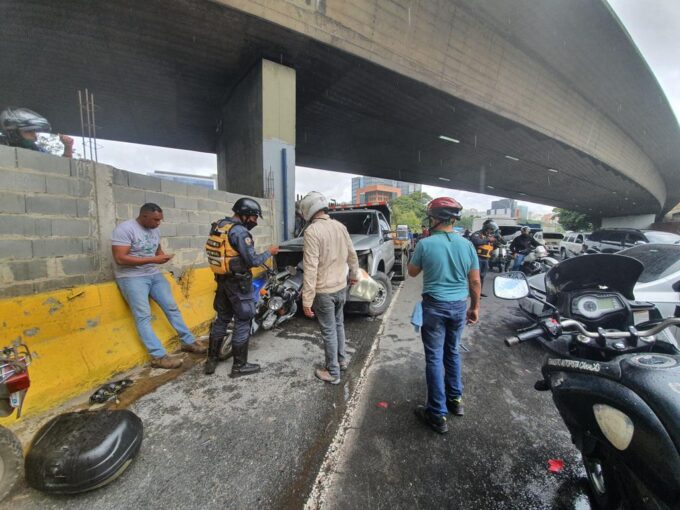
Tragic Toll: Navigating Venezuela’s Road Safety Crisis
Explore the alarming statistics of road fatalities in Venezuela, shedding light on...
 ABL2 Mins read
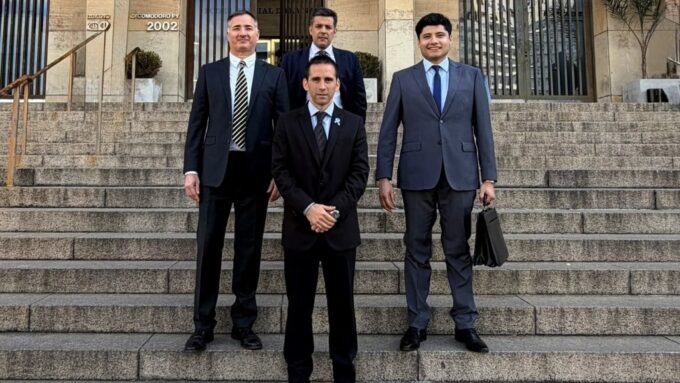
A Tale of Justice: The Fight for Accountability in Venezuelan Detentions
Explore the harrowing journey of Nahuel Gallo, an Argentine gendarme, as he...
ABL2 Mins read
Navigating the Uncharted Waters of Venezuelan Migration: Peru’s Bold Moves
Explore the complexities of Venezuelan migration in Peru, as the government seeks...
ABL3 Mins read



Analysis of Trump’s Oil Deal with Venezuela: Implications for U.S. Relations and Global Markets
The recent analysis of Trump's oil deal with Venezuela reveals significant implications...
ABL2 Mins read

Leave a comment