
The Midnight Match: Navigating Passion and Professionalism at the U.S. Open
A Night to Remember
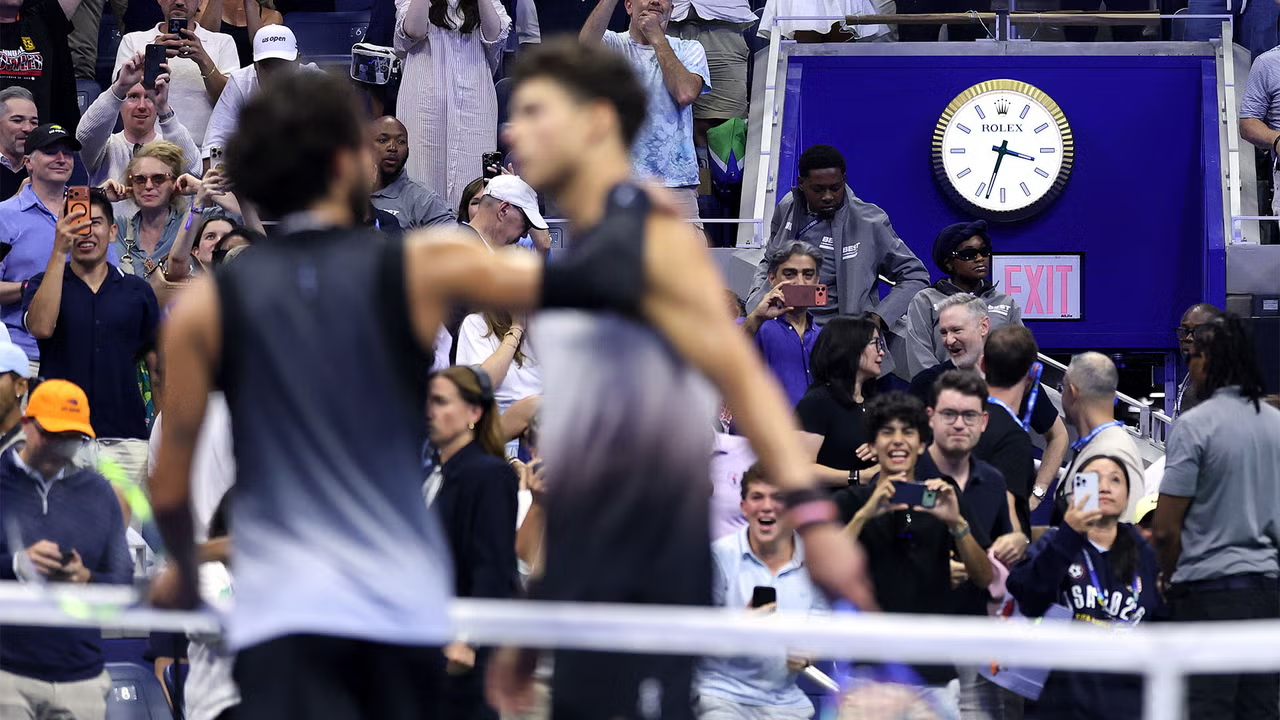
The recent U.S. Open quarterfinal featuring tennis stars Ben Shelton and Carlos Alcaraz has entered the annals of sports history not merely for its thrilling five-set contest but for its unprecedented timing. Stretching into the early hours of the morning, the match concluded at 3:33 a.m., marking it as the latest finish in the tournament’s storied legacy.
The Price of Passion
As the clock ticked past midnight, the atmosphere was electric with anticipation. However, many fans faced the harsh reality of balancing their fervor for the game with their obligations to work the next day. Social media was abuzz with mixed reactions, with some fans jokingly lamenting their impending exhaustion, while others voiced serious concerns about the decision to allow such a late start. The U.S. Open’s organizational decisions were called into question, highlighting a growing tension between catering to passionate fans and maintaining respect for their professional commitments.
Engaging the Audience
In an age where social media dictates much of the engagement landscape, the U.S. Open took a playful approach to address the situation. Their account humorously shared a tongue-in-cheek “doctor’s note,” effectively encouraging fans to embrace their love for tennis—even if it meant sacrificing sleep. This clever marketing move resonates deeply with the millennial and Gen Z demographics, who balance their professional lives with a desire for unforgettable experiences.
Critique and Commentary
Yet, not all responses were lighthearted. A segment of the audience voiced their discontent, arguing that the tournament’s scheduling reflected a misalignment with the needs of its core fanbase—working adults. Critics cited the Wimbledon model, which employs a strict curfew to protect the well-being of its spectators. The juxtaposition between these two grand tournaments raises questions about brand strategy within the sports realm. Should organizations prioritize fan experience and engagement, or maintain a structured schedule that respects audience commitments?
A Shift in Sports Culture
The late-night spectacle prompted a broader discussion on the evolving nature of sports consumption. In a world increasingly dominated by digital engagement and influencer culture, events like the U.S. Open are navigating new waters. The challenge lies in striking a balance between showcasing thrilling athleticism and accommodating the realities of modern life. As fans resonate with the urgency to connect with their passions, brands must adapt to this shifting landscape, ensuring that experiences remain both memorable and manageable.
Looking Ahead: A New Era
As we reflect on the late-night showdown, it serves as a microcosm of the contemporary sports experience. The allure of live events continues to captivate audiences, yet the realities of work-life balance cannot be overlooked. For Miami’s vibrant social scene, this discussion is particularly relevant. As the city thrives on its unique blend of culture, nightlife, and professional ambition, the expectation for brands to cater to both leisure and responsibility is paramount.
The U.S. Open’s midnight match is a testament to the passionate pursuit of excellence in sports, yet it also serves as a reminder of the responsibility that comes with it. As the world of tennis evolves, so too must the strategies that govern how we celebrate these monumental moments.
Editorial note: This article was created by A Bit Lavish Miami’s Magazine as an original editorial reinterpretation based on publicly available reporting. Original source: fastcompany.com. Read the original article here: https://www.fastcompany.com/91604382/shelton-alcaraz-late-night-us-open-match-workers-get-hangovers.
Images are used for editorial reference with source credit. If an image requires correction or removal, please contact A Bit Lavish.










Navigating the Dual Edges of AI Development: A Call for Responsible Innovation
Explore the complex implications of AI advancements on health and the environment,...
 3 Mins read
The Illusion of Progress: Unpacking the Pitfalls of AI Performance Metrics
Explore the complexities and challenges of AI performance metrics, highlighting lessons learned...
2 Mins read
The Great Lake Debate: A Tale of Two Hats
Explore the innovative merchandise response to President Trump's renaming of Lake Ontario,...
3 Mins read



Navigating the Waters of Professional Relevance: A Guide to Staying Ahead in Your Career
Explore essential strategies for maintaining professional relevance in an ever-evolving workplace. Learn...
3 Mins read

Leave a comment