
The Future of Arts Education: Navigating Challenges and Opportunities

Legislative Shifts and Their Impact on the Arts
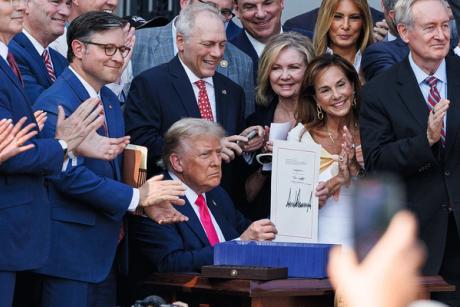
In a landscape where arts education is already facing significant hurdles, recent legislative developments have raised alarms among educators and advocates. The latest proposal, known as the One Big Beautiful Act, has sparked a heated debate regarding its potential implications for access to art schools across the United States.
The State of Arts Education
The current climate for arts education is increasingly precarious. With rising tuition costs and a competitive market for artistic careers, many aspiring artists find themselves at a crossroads. The concern is that this new legislation could exacerbate these issues, making it even more challenging for students to pursue their passion for the arts.
Concerns from the Community
Experts in the field of arts education have voiced their apprehensions regarding the potential consequences of this legislative push. Many believe that the proposed changes could siphon resources away from art programs, thereby limiting opportunities for young artists. The fear is that as access becomes restricted, the vibrancy and diversity of future artistic expression could be diminished.
Provenance and the Value of Artistic Training
In an art market that increasingly values provenance and the stories behind each piece, education plays a pivotal role in shaping a collector’s understanding of artistry. The foundation laid during formal training not only enriches the individual artist’s journey but also enhances the value of their work in the eyes of collectors. If access to quality arts education continues to narrow, the ramifications could extend beyond individual careers to affect the broader art market.
Miami’s Role in the Arts Education Landscape
As a cultural hub, Miami holds a unique position in the dialogue surrounding arts education. The city’s vibrant art scene, characterized by its diverse influences and innovative expressions, is supported by numerous institutions dedicated to nurturing artistic talent. However, if national trends toward restricting access to arts education persist, Miami could see a shift in its creative landscape. Local galleries and collectors may soon find themselves facing a marketplace with fewer emerging artists, potentially impacting the richness of the city’s artistic offerings.
Investing in the Future
For collectors and patrons of the arts, the implications of these legislative changes present a call to action. Investing in arts education initiatives and supporting local programs could prove vital in ensuring a continued influx of diverse talent. By fostering an environment where young artists can thrive, the community not only enriches its own artistic fabric but also secures the future of art collecting.
Looking Ahead
As discussions surrounding arts education evolve, it becomes increasingly important for stakeholders—educators, collectors, and policymakers alike—to engage in meaningful dialogue. The legacy of arts education transcends the classroom; it shapes the narratives of artists, influences market trends, and ultimately defines cultural identity. Ensuring that this legacy endures requires collective effort and a commitment to protecting access to quality arts education for all.
Editorial note: This article was created by A Bit Lavish Miami’s Magazine as an original editorial reinterpretation based on publicly available reporting. Original source: theartnewspaper.com. Read the original article here: https://www.theartnewspaper.com/2026/09/09/how-trumps-signature-bill-could-make-arts-education-even-more-expensive.
Images are used for editorial reference with source credit. If an image requires correction or removal, please contact A Bit Lavish.






A New Era for Artists: Swizz Beatz and Alicia Keys Champion Resale Royalties
Explore how Swizz Beatz and Alicia Keys are redefining the art market...
 2 Mins read

Envisioning a Life Unlived: The Legacy of Emmett Till Through Art
Explore ‘If Emmett Till Lived,’ an evocative exhibition that imagines the potential...
2 Mins read

Empowering the Arts: The Freelands Foundation Award and Its Impact on UK Culture
Discover how the Freelands Foundation Award is shaping the future of arts...
2 Mins read


The Heist of Renoir: Four Paintings Stolen from French Museum
A significant cultural crime unfolds as thieves steal four Renoir paintings from...
2 Mins read

Leave a comment