
Cilia Flores Seeks House Arrest in New York Amid Health Concerns
Legal Maneuvers Amidst Health Struggles
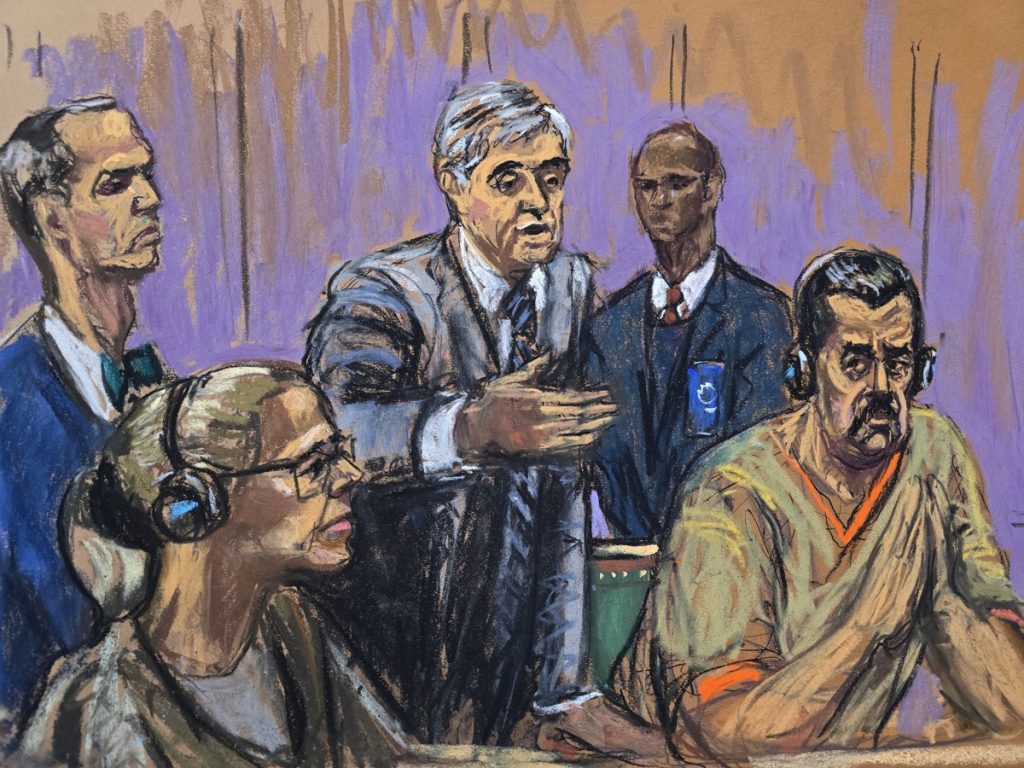
Cilia Flores, the spouse of Nicolás Maduro, the ousted Venezuelan president, has turned the spotlight back on her case as she formally requests the New York judicial system for a reprieve from incarceration. Citing significant health complications, Flores seeks to serve her time under house arrest while awaiting trial.
At the heart of her request is the assertion that her current confinement conditions do not adequately support her medical needs. At 69 years old, Flores claims to suffer from serious cardiac issues that require specialized treatment not available in the federal facility where she has been held since January 3, following their capture by U.S. military forces in Caracas.
A Plea for Compassionate Treatment
In a comprehensive legal filing, Flores’ defense team outlines her medical condition, detailing episodes of chest pain, arrhythmias, and respiratory difficulties. Furthermore, they report a concerning weight loss of over eleven kilograms since her detention, indicating a decline in her overall health.
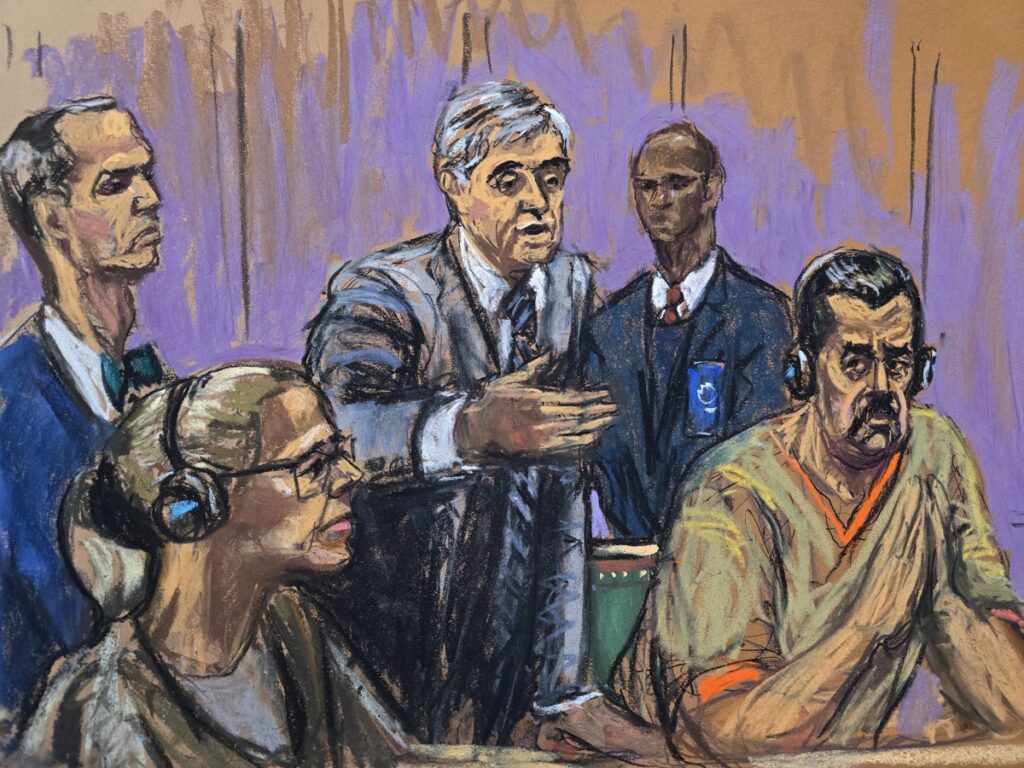
The motion proposes that Flores be relocated to a private residence in New York, equipped with armed guards, a tracking device, and strict limitations on visitors and communications. This request underscores the delicate balance between legal accountability and humanitarian considerations, especially in high-profile cases that attract international attention.
Context of Their Detention
Flores and Maduro are facing serious allegations, including narcotrafficking and terrorism, charges they both vehemently deny. Prosecutors allege that they exploited their influential positions within the Venezuelan government to facilitate the drug trade into the United States.
As their legal journey unfolds, questions of sovereignty and legality arise, particularly regarding Maduro’s claims to sovereign immunity as a former head of state. The ongoing discussions around the legality of their capture and subsequent extradition to the U.S. further complicate the narrative.
The Road Ahead: Legal Battles and Health Concerns
The upcoming months are pivotal for both Flores and Maduro. A hearing is scheduled for November 17, where their legal teams will present arguments intended to dismiss the charges against them, including the defense’s assertion of immunity linked to Flores’s role as the former first lady.
Federal Judge Alvin K. Hellerstein has set June 1, 2027, as the trial start date, a significant time frame that highlights the complexities of the legal system in high-stakes international cases. As the situation develops, the intersection of health, justice, and political dynamics continues to evolve, drawing attention from various sectors, including media, law, and human rights advocacy.
The Broader Implications
This case is more than just a legal battle; it reflects the intricate web of politics and law that defines U.S.-Venezuelan relations today. As Miami continues to serve as a hub for Venezuelan expatriates and a focal point for discussions surrounding Venezuela’s political climate, the outcomes of such cases resonate deeply within the community.
Furthermore, the implications of the charges against Flores and Maduro extend beyond their personal circumstances, highlighting broader issues related to governance, international law, and the exploration of humanitarian exceptions in legal proceedings. This case serves as a poignant reminder of the human element within the often impersonal legal system, urging us to consider the stories behind the headlines.
Editorial note: This article was created by A Bit Lavish Miami’s Magazine as an original editorial reinterpretation based on publicly available reporting. Original source: efectococuyo.com. Read the original article here: https://efectococuyo.com/politica/cilia-flores-solicita-prision-domiciliar-por-salud/.
Images are used for editorial reference with source credit. If an image requires correction or removal, please contact A Bit Lavish.





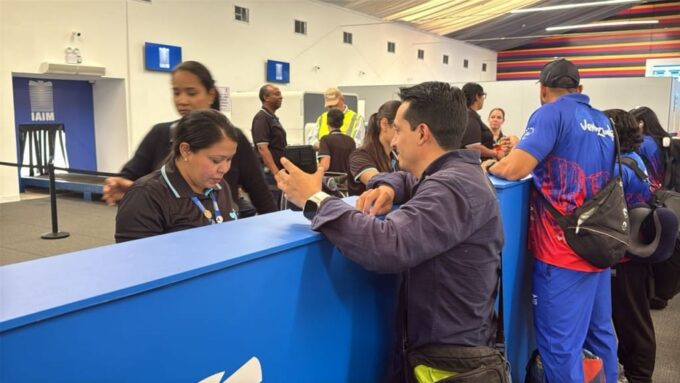
A New Chapter in Aviation: Maiquetía Airport’s Resurgence
Maiquetía Airport reopens with 19 airlines operating in temporary terminals, marking a...
 2 Mins read

Trump’s Conditions Complicate US-Venezuela Oil Deal Negotiations
Former President Donald Trump's recent conditions on the US-Venezuela oil deal introduce...
2 Mins read
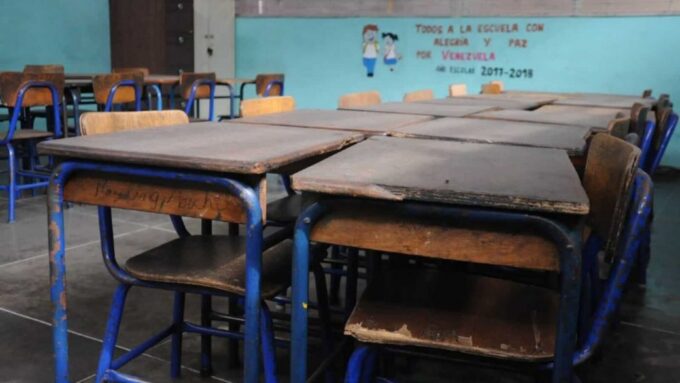
Resilience and Renewal: Vargas Prepares for a New Academic Year
As Vargas readies 239 schools for the upcoming academic year, a focus...
 ABL2 Mins read
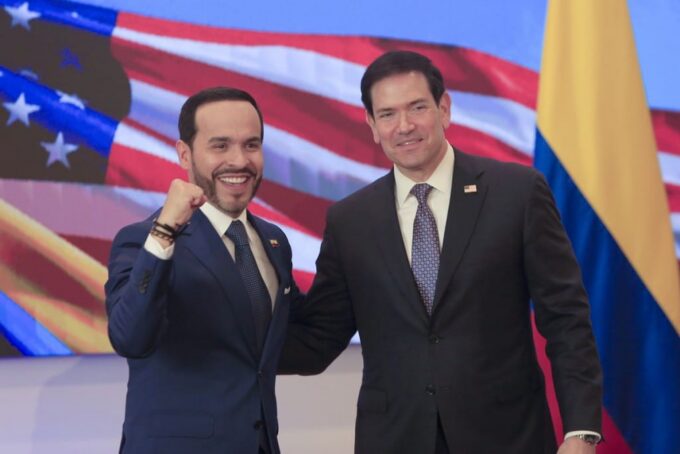


A New Chapter: Colombia’s Commitment to Regional Stability Amid Venezuelan Turmoil
Colombia's President Abelardo de la Espriella emphasizes a proactive approach towards ensuring...
ABL2 Mins read

Leave a comment