
Doral’s Silent Struggle: Venezuelans Navigate Fear Amid ICE Operations
A Community in Fear
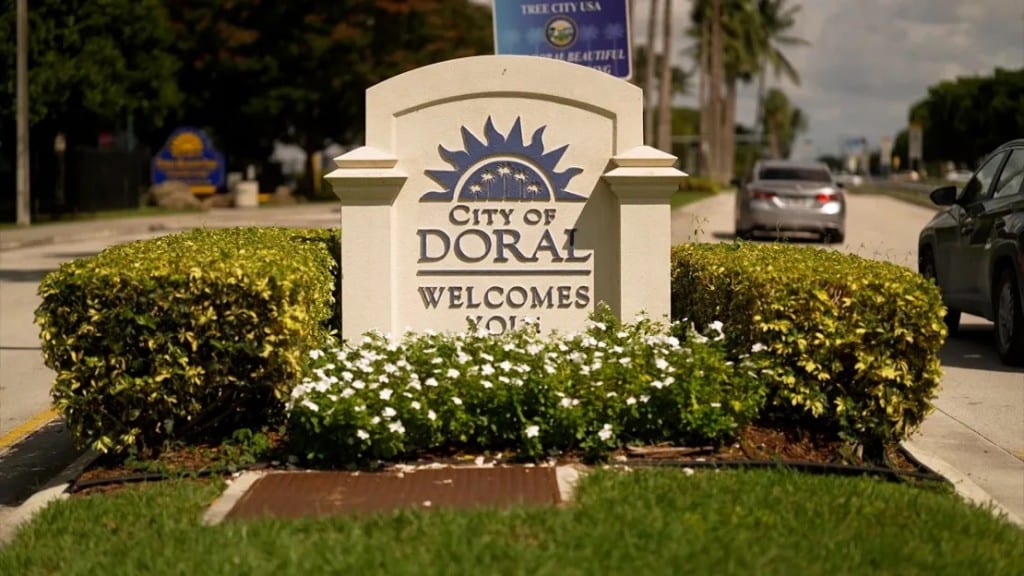
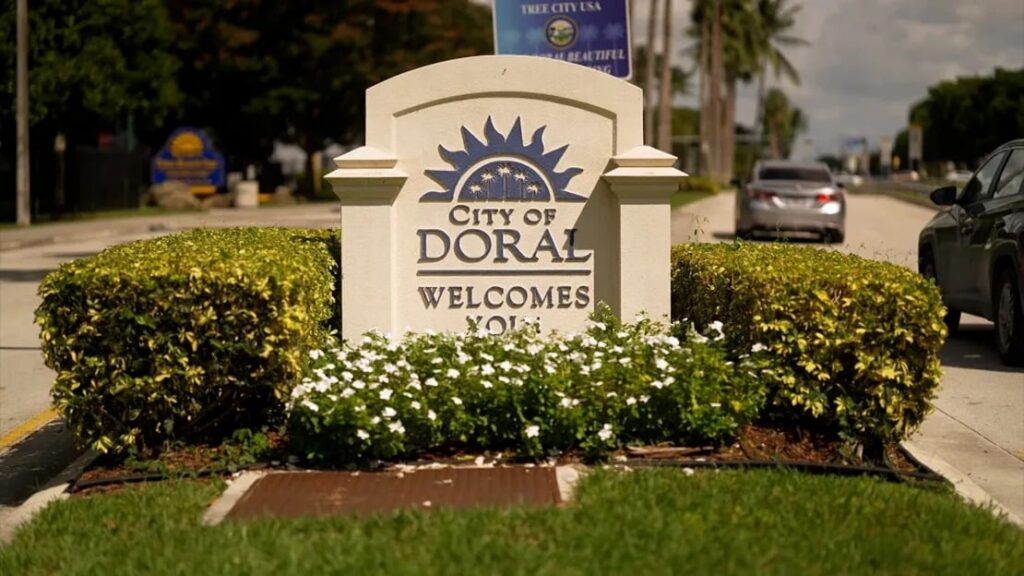
Julián Sanabria quietly locks the door to his apartment, a daily ritual now imbued with anxiety. In Doral, a city in Miami-Dade County affectionately dubbed ‘Little Venezuela’, the atmosphere has shifted dramatically. Once a thriving hub for Venezuelan expatriates, daily life is overshadowed by the looming presence of U.S. Immigration and Customs Enforcement (ICE). Sanabria expresses a sentiment shared by many: the fear of simply existing in a place that was supposed to offer refuge.
The Shifting Landscape of Doral
Recent weeks have seen a surge in ICE operations, targeting migrants, particularly those from Venezuela. Sanabria recounts how he and others have curtailed their routines, avoiding public spaces and limiting outings to essential trips to work. “The city feels desolate; we don’t deserve this fear,” he laments. The vibrant community that once flourished in Doral is now a shadow of its former self, with residents hesitant to venture outside, fearing encounters with authorities.
A Journey to Safety
Sanabria’s journey to the United States began in December 2014, following a personal experience of persecution in Venezuela. The tragic death of a young activist during protests sparked his decision to leave. He recalls the threats he faced from local government officials and armed groups. After a decade-long struggle for asylum, he finally received a hearing in 2025, but the shadows of his past continue to haunt him, as he remains unable to return home.
The Business of Survival
The impact of ICE’s increased presence is palpable not only on a personal level but also economically. Doral’s Venezuelan-owned businesses are suffering, with many closing their doors permanently. Vice Mayor Rafael Pineyro reported a staggering 40% to 60% decline in local business revenue. The emotional toll is heavy; owners express heartbreak as they bid farewell to loyal customers and the dreams they built in this city.
Community Resilience Amid Adversity
Yet, amidst the uncertainty, community members are finding ways to support one another. Parents are banding together, organizing transport for children to evade the potential dangers of attending school. They form networks of trust, relying on friends with residency to help ferry students safely. Julián recalls the struggle to maintain normalcy; families are increasingly fearful and hesitant to engage in daily activities.
A Call for Change
In light of the ongoing crisis, local leaders face criticism for their collaboration with ICE policies. The unanimous approval of the 287(g) agreement, which fosters cooperation between local police and federal immigration authorities, has amplified tensions. Residents urge for a reevaluation of such agreements, seeking protection for their community rather than further entrenchment in fear.
Looking to the Future
The situation in Doral serves as a poignant reminder of the struggles faced by immigrant communities across the nation. As the streets grow quieter and businesses shutter, the Venezuelan diaspora is left to confront the realities of their precarious existence. The longing for a return to normalcy is palpable, as is the hope that their voices will be heard. For now, the community takes each day as it comes, navigating their new reality with resilience and a collective spirit.
Editorial note: This article was created by A Bit Lavish Miami’s Magazine as an original editorial reinterpretation based on publicly available reporting. Original source: efectococuyo.com. Read the original article here: https://efectococuyo.com/la-humanidad/doral-esta-desolada-no-nos-merecemos-esto-venezolanos-ante-operativos-del-ice/.
Images are used for editorial reference with source credit. If an image requires correction or removal, please contact A Bit Lavish.




Venezuela’s Inflation Rate Hits 8.4% in September 2026
The Central Bank of Venezuela has reported an inflation rate of 8.4%...
 2 Mins read
Navigating the Divide: Brazil’s Polarized Election Landscape
As Brazil approaches a critical election, the nation is divided between Lula...
2 Mins read
A Day of Unity and Compassion: Germany’s National Celebration in La Guaira
On Germany's National Day, the embassy in Venezuela took a humanitarian approach,...
2 Mins read
Former GOP Congressman David Rivera Sentenced to 10 Years for Secret Lobbying Tied to Venezuela
David Rivera's sentencing marks a significant moment in the intersection of U.S....
1 Mins read