

A Fresh Chapter in Venezuelan Politics
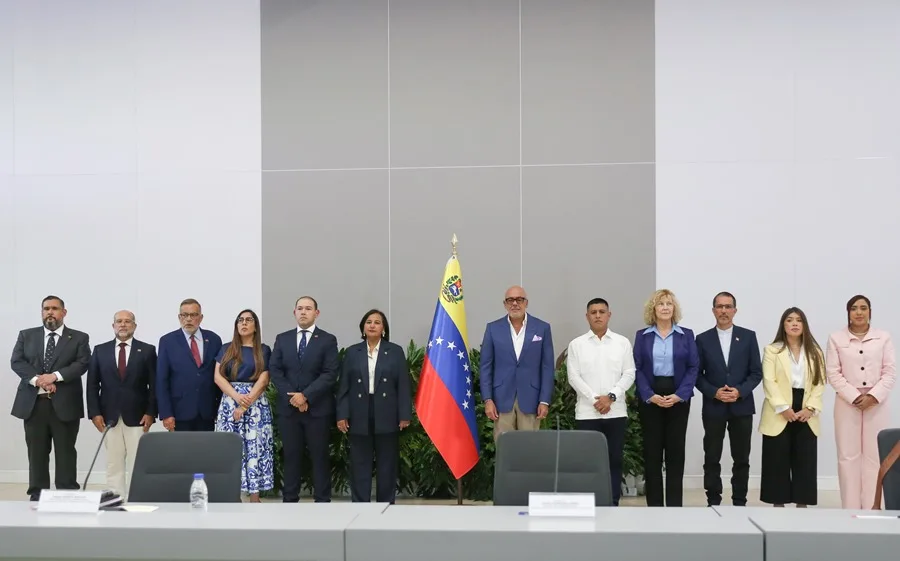
As Venezuela grapples with its tumultuous political landscape, a significant development is on the horizon. The ongoing negotiations between the government, known as Chavismo, and a faction of the opposition are set to enter their second cycle. This renewed dialogue, facilitated by the United States, aims to tackle critical issues that resonate deeply within the Venezuelan society.
The Framework of Negotiation
Initiated on August 6, the dialogue table has sparked cautious optimism among citizens and observers alike. The first agreement was reached shortly thereafter, setting the stage for a more comprehensive discussion. With the next round scheduled to commence on September 17, the focus will be on judicial reform, civil liberties, and freedom of expression—topics that are vital to the restoration of democratic norms in Venezuela.
Key Players in the Dialogue
Heading the opposition delegation is former lawmaker Dinorah Figuera, who has made her return to Venezuela to ensure the continuity of these negotiations. She will be joined by Jorge Rodríguez, the current president of the National Assembly and a prominent figure within the Chavista movement. Despite the inclusion of these key players, notable opposition leaders, such as María Corina Machado, remain absent from the discussions, indicating a divide within the opposition ranks.
Objectives and Aspirations
The primary goal of this dialogue is multifaceted. Among the pressing issues is the urgent need for judicial reform, particularly in light of accusations against the Supreme Court justices for their allegiance to the government. Additionally, there is a concerted effort to recover Venezuela’s international reserves, notably the approximately $2 billion in gold held in the Bank of England. This recovery is seen as essential for addressing the humanitarian needs of those affected by recent natural disasters in the country.
International Reactions and Implications
The global community is watching closely. Recently, British Minister for Latin America, Chris Elmore, expressed support for the political conversations unfolding between Rodríguez and Figuera. His remarks in the UK Parliament signal a shift toward strengthening diplomatic ties with Venezuela, underscoring the importance of these negotiations on an international scale. The British government’s decision to appoint an ambassador in Caracas further emphasizes this warming of relations.
A Path Forward
As negotiations progress, the Venezuelan government has celebrated this new diplomatic engagement, particularly in light of its aspirations to regain control over its frozen assets abroad. The implications of these dialogues extend beyond politics; they touch the lives of millions of Venezuelans who yearn for stability and a renewed sense of hope.
In Miami, a city with a significant Venezuelan expatriate community, these developments resonate deeply. The hopes for a more democratic Venezuela are echoed among the diaspora, who continue to advocate for their homeland from afar. As the negotiations unfold, the world will be watching, hoping for a peaceful resolution that fosters a brighter future for Venezuela.
Editorial note: This article was created by A Bit Lavish Miami’s Magazine as an original editorial reinterpretation based on publicly available reporting. Original source: efectococuyo.com. Read the original article here: https://efectococuyo.com/politica/chavismo-y-oposicion-reanudan-este-jueves-el-segundo-ciclo-de-negociaciones/.
Images are used for editorial reference with source credit. If an image requires correction or removal, please contact A Bit Lavish.





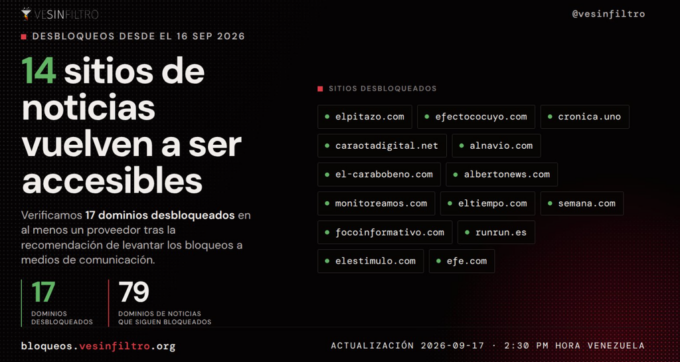
A Glimmer of Hope: The Partial Unblocking of Media Domains in Venezuela
In a recent move, Venezuela's government has unblocked a small percentage of...
 2 Mins read
A Call for Justice: The Tragic Case of Wilber Rafael Garcés
The harrowing incident involving Venezuelan migrant Wilber Rafael Garcés raises urgent questions...
2 Mins read

Trump Meets Venezuela’s Delcy Rodríguez to Finalize Historic Oil Deal
The meeting between Trump and Rodríguez marks a pivotal moment in U.S.-Venezuela...
2 Mins read


Trump Engages in Diplomatic Talks with Venezuela’s Delcy Rodríguez at UN General Assembly
The meeting between former President Donald Trump and Venezuela's Acting President Delcy...
2 Mins read

Leave a comment