
Venezuela Requires Up to $21 Billion for Earthquake Recovery, U.N. Reports

CARACAS — September 16, 2026
The United Nations has issued a stark assessment indicating that Venezuela requires up to $21 billion for recovery efforts following a devastating earthquake that struck the country earlier this month. This announcement underscores the dire humanitarian and economic challenges facing Venezuela, a nation already grappling with severe socio-economic instability.
The earthquake, which occurred on September 5, 2026, registered a magnitude of 6.8 and primarily affected the northern coastal regions, including the capital city of Caracas. The tremor resulted in significant infrastructure damage, loss of life, and displacement of thousands of residents. According to preliminary reports, at least 500 people were killed, and thousands more were injured, exacerbating an already critical humanitarian situation.
The U.N. assessment, released on September 16, 2026, highlights the urgent need for international aid and investment to facilitate recovery and reconstruction efforts. The funds are intended to address immediate needs such as emergency shelter, medical assistance, and restoration of essential services, as well as long-term rebuilding of infrastructure.
Directly involved in this situation are the Venezuelan government, led by President Nicolás Maduro, and various international organizations, including the United Nations Office for the Coordination of Humanitarian Affairs (OCHA). The U.N. has called for a coordinated response from the global community, emphasizing the importance of timely financial support to mitigate the humanitarian crisis.
The trigger for this urgent need for funding stems from the earthquake’s catastrophic impact, which has compounded existing challenges in Venezuela, including hyperinflation, food shortages, and a collapsing healthcare system. The country has been in a state of economic turmoil for several years, leading to widespread poverty and emigration.
This development is receiving heightened attention now due to the scale of the disaster and the immediate humanitarian needs that have arisen. The U.N.’s call for $21 billion is one of the largest recovery estimates in recent history for a natural disaster in the region, reflecting the severity of the situation.
Locally, the implications of this assessment are profound, as communities struggle to recover from the earthquake’s aftermath while facing ongoing economic hardships. Nationally, it raises questions about the Venezuelan government’s capacity to manage recovery efforts effectively, given its history of economic mismanagement and corruption. Regionally, the situation may prompt neighboring countries to reconsider their humanitarian policies towards Venezuela, especially as the influx of refugees continues to strain resources in the region.
Looking ahead, the Venezuelan government will likely need to engage with international partners to secure the necessary funding. This could involve negotiations with foreign governments and international financial institutions. However, skepticism remains regarding the Maduro administration’s ability to utilize aid effectively, given past allegations of corruption and misallocation of resources. The coming weeks will be critical as the international community assesses the situation and determines the best course of action to support Venezuela’s recovery efforts.
Source: upi.com





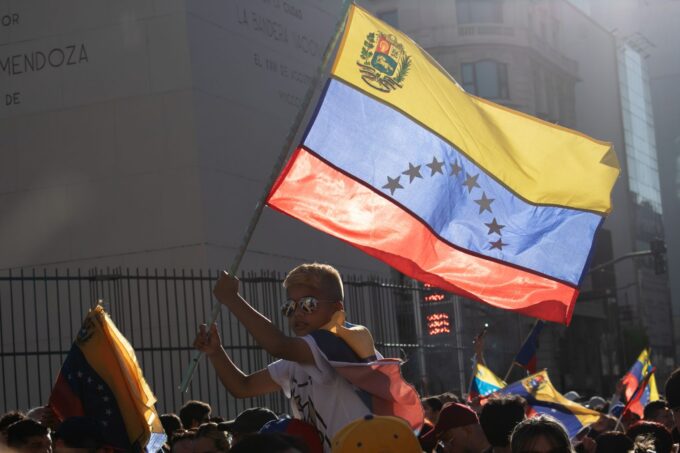
Trump Engages in Diplomatic Talks with Venezuela’s Delcy Rodríguez at UN General Assembly
The meeting between former President Donald Trump and Venezuela's Acting President Delcy...
 2 Mins read

Trump to Meet Venezuela’s Acting President Delcy Rodríguez During UN General Assembly
The upcoming meeting between Trump and Delcy Rodríguez marks a significant diplomatic...
2 Mins read
Trump Meets Venezuela’s Acting President Delcy Rodríguez: A Shift in U.S.-Venezuela Relations
The meeting between Trump and Venezuela's acting president signifies a notable shift...
2 Mins read



Empowering Voices: Women as Architects of Change in Venezuela
Discover how women in Venezuela are shaping the transition towards democracy and...
3 Mins read

Leave a comment