
US Mortgage Rates Surge to 7%, Highest Since Trump Administration

MIAMI — September 17, 2026
In a significant development for the US housing market, mortgage rates have surged to 7%, the highest level since the Trump administration. This increase, reported on September 17, 2026, marks the fourth consecutive week of rising rates, raising concerns among potential homebuyers and sellers about the implications for the real estate market and the broader economy.
The current spike in mortgage rates is attributed to a combination of factors, including ongoing inflationary pressures and the Federal Reserve’s monetary policy adjustments aimed at curbing rising prices. As the Fed continues to navigate a complex economic landscape, its decisions on interest rates have a direct impact on mortgage rates, which are closely tied to the yields on government bonds.
The Federal Reserve has been under pressure to manage inflation, which has remained stubbornly high. In response, it has implemented a series of interest rate hikes over the past year. The latest data indicates that the average rate for a 30-year fixed mortgage has now reached 7%, a threshold not seen since the early days of the Trump presidency. This increase is particularly concerning for first-time homebuyers, who may find affordability increasingly out of reach.
According to data from the Mortgage Bankers Association, the rise in rates has already led to a noticeable decline in mortgage applications, as potential buyers reassess their purchasing power in light of higher borrowing costs. The housing market, which has been characterized by low inventory and rising prices, may face additional challenges as higher rates could dampen demand.
This development is receiving heightened attention now due to its potential ripple effects across the economy. Analysts warn that sustained high mortgage rates could lead to a slowdown in home sales, impacting not only the real estate sector but also related industries such as construction, home improvement, and consumer goods. The implications extend beyond individual buyers and sellers; a cooling housing market could affect economic growth and consumer confidence.
Looking ahead, the trajectory of mortgage rates will largely depend on the Federal Reserve’s actions in the coming months. If inflation persists, further rate hikes may be on the horizon, which could push mortgage rates even higher. Conversely, if inflation shows signs of abating, the Fed may reconsider its current stance, potentially easing rates in the future.
In conclusion, the rise in US mortgage rates to 7% is a pivotal moment for the housing market, with significant implications for buyers, sellers, and the overall economy. Stakeholders will be closely monitoring economic indicators and Federal Reserve announcements as they navigate this challenging landscape.
Source: CNN










Luxury Living Reimagined: Bugatti Joins Miami’s Elite Condo Scene
Discover how Bugatti is redefining luxury in Miami's real estate market with...
 2 Mins read
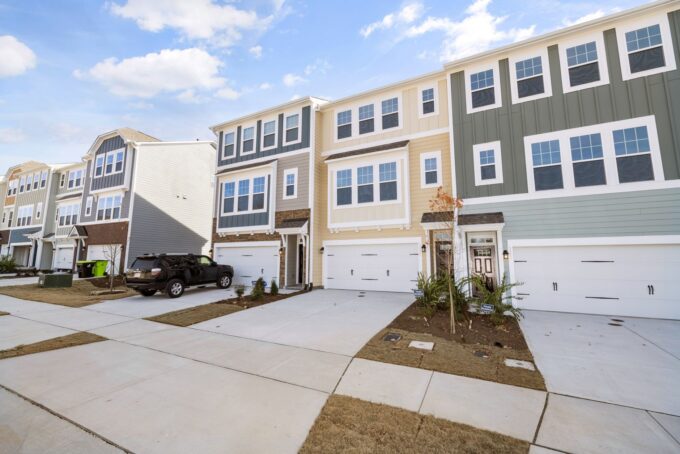
Luxury Orlando Townhome Development Sells for $13.2 Million
A high-end townhome development in Orlando has been sold for $13.2 million,...
1 Mins read
Sunny Randhir Singh Unveils Multicultural, Family-First Strategy for Southern California Real Estate
The announcement marks a pivotal shift in the Southern California real estate...
2 Mins read


Dream Finders Homes Expands Horizons: A $12 Million Acquisition in Palm Beach County
Dream Finders Homes makes a strategic entrance into Palm Beach County with...
 ABL2 Mins read

Leave a comment