
Judge Orders 30-Day Notice Before Kennedy Center Demolition Plans Proceed
WASHINGTON, D.C. — September 17, 2026
A federal judge has issued a significant ruling regarding the Kennedy Center, mandating that the institution must provide a 30-day notice before proceeding with any demolition plans. This decision comes in the wake of heightened scrutiny surrounding the potential alterations to one of the nation’s most iconic cultural landmarks.
The ruling was prompted by concerns over the Kennedy Center’s plans, which reportedly included substantial changes that could affect its structural integrity and cultural significance. The judge’s order emphasizes the need for transparency and public awareness in matters involving historical sites, particularly those with deep-rooted connections to American arts and culture.
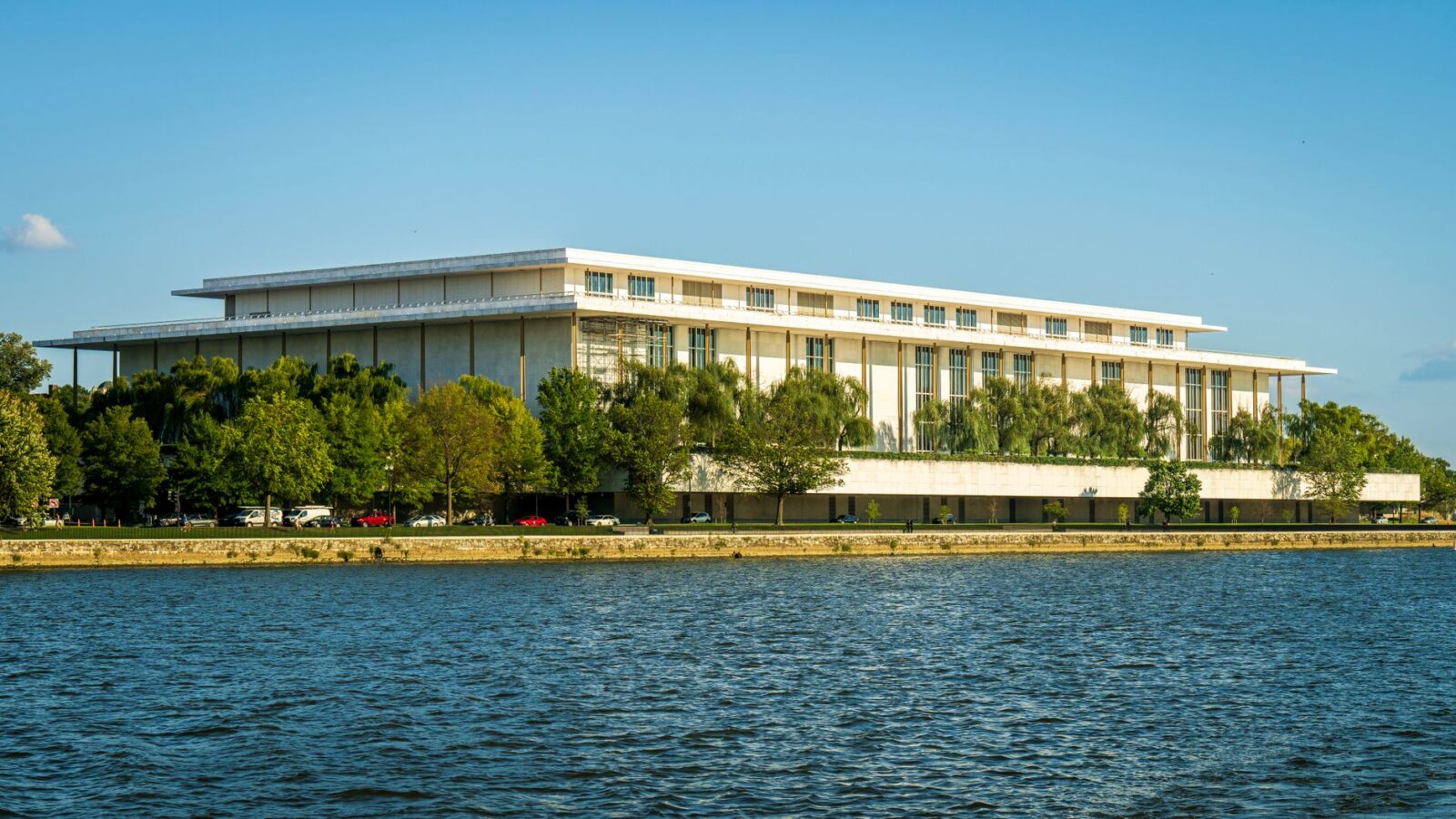
The Kennedy Center, officially known as the John F. Kennedy Center for the Performing Arts, is located on the banks of the Potomac River in Washington, D.C. It serves as a premier venue for the performing arts and is a designated National Cultural Center. The institution has been a focal point for artistic expression since its opening in 1971, hosting a myriad of performances ranging from ballet to opera.
This ruling comes at a time when discussions around the preservation of cultural heritage are increasingly relevant. The decision to require a 30-day notice reflects a growing recognition of the importance of public engagement in decisions that impact historical sites. The judge’s order aims to ensure that stakeholders, including local communities and cultural advocates, have the opportunity to voice their opinions before any irreversible actions are taken.
While the specific motivations behind the Kennedy Center’s proposed changes have not been publicly detailed, the involvement of a former president in reviewing these plans has added a layer of political intrigue to the situation. The implications of this ruling extend beyond the immediate context of the Kennedy Center, as it raises questions about the balance between development and preservation in urban environments.
The ruling has garnered significant media attention, reflecting the public’s vested interest in the preservation of cultural landmarks. As discussions continue, the Kennedy Center will need to navigate the legal landscape while addressing the concerns of various stakeholders.
Looking ahead, the Kennedy Center is expected to comply with the judge’s order by issuing the required notice, which will likely initiate a period of public commentary and potential debate regarding the future of the center. This development could set a precedent for how similar institutions approach changes to their facilities, emphasizing the need for accountability and community involvement in the stewardship of cultural heritage.
Source: nypost.com









Colombians Involved in Moïse’s Assassination to Face Trial in Miami
The extradition of Colombian nationals implicated in the assassination of Haitian President...
 1 Mins read

Eighteen Suspects in Assassination of Haiti’s President Extradited to Miami for Trial
The extradition of suspects involved in the assassination of Haiti's President Jovenel...
2 Mins read

Ukraine Launches Largest Drone Attack on Moscow, Resulting in Three Deaths
A significant escalation in the Ukraine-Russia conflict unfolds as Ukraine conducts its...
1 Mins read



Tropical Storm Fay Forms in the Eastern Atlantic, Threatening Public Safety
Tropical Storm Fay has formed in the eastern Atlantic, raising concerns about...
1 Mins read

Leave a comment