
Cuba Faces Nationwide Blackout on September 19, 2026
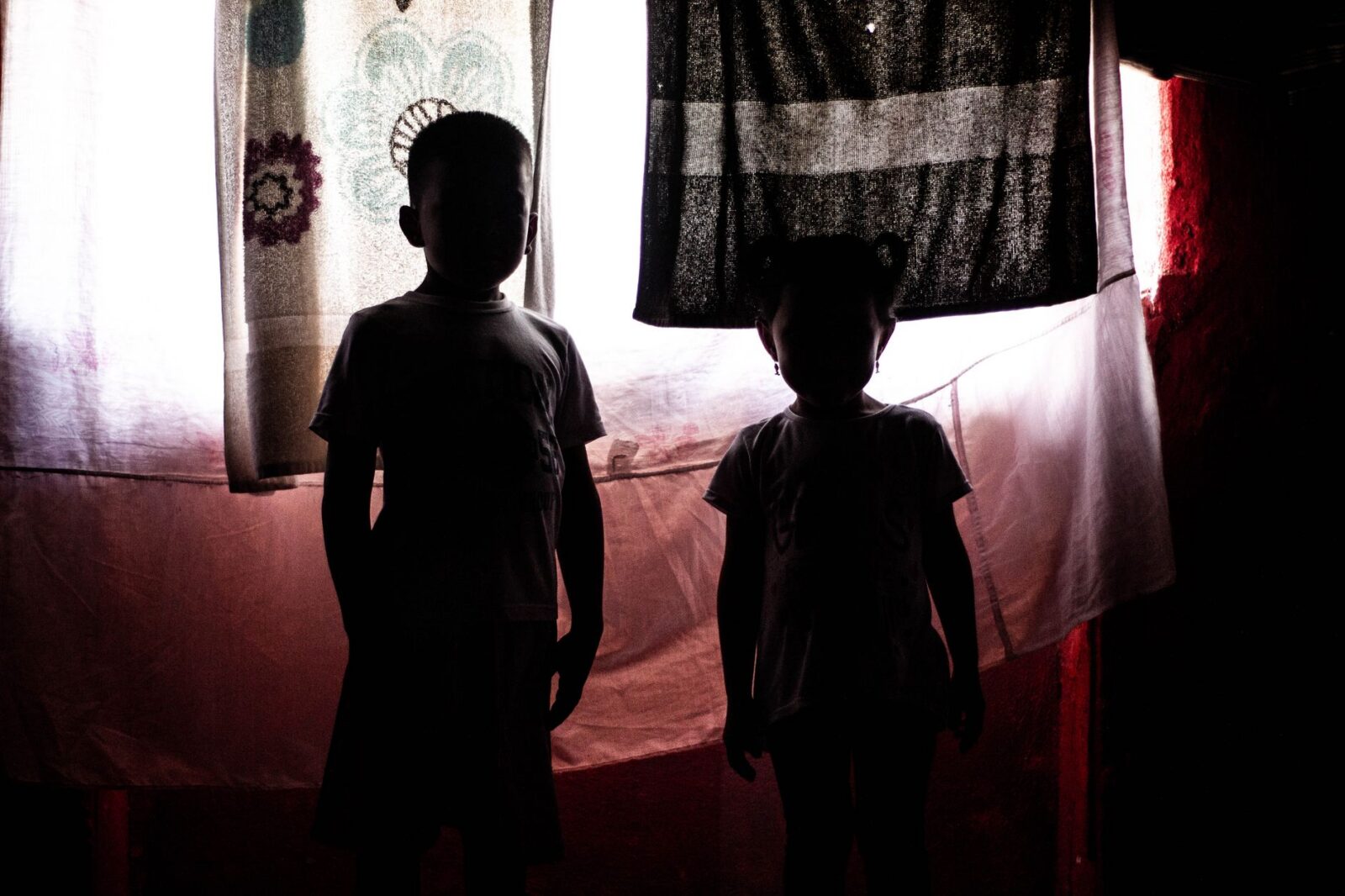
HAVANA — September 19, 2026
Today, Cuba experienced a nationwide blackout, plunging the island into darkness and raising significant concerns regarding the stability of its electrical infrastructure. This blackout is the latest in a series of power outages that have plagued the country, exacerbating existing public safety issues and highlighting the challenges faced by the Cuban government in maintaining essential services.
The blackout began early in the morning, affecting all provinces across the island. Reports indicate that residents in urban areas, including the capital Havana, as well as rural communities, were left without electricity for several hours. The Cuban Electric Union (UNE) has not yet provided a detailed explanation for the outage, but previous blackouts have been attributed to a combination of aging infrastructure, fuel shortages, and maintenance issues.
This incident follows a troubling trend in Cuba, where power outages have become increasingly common due to a deteriorating energy sector. The Cuban government has struggled to secure sufficient fuel supplies, particularly in the wake of international sanctions and the ongoing economic crisis exacerbated by the COVID-19 pandemic. The lack of investment in the electrical grid has also contributed to the frequency and duration of these outages.
The implications of today’s blackout are significant. Beyond the immediate inconvenience to daily life, such outages can have cascading effects on public health, safety, and economic activity. Hospitals, businesses, and households rely heavily on a stable power supply, and disruptions can lead to critical failures in services. The potential for civil unrest also looms, as citizens grow increasingly frustrated with the government’s inability to provide basic necessities.
This blackout is receiving heightened attention now due to the cumulative impact of ongoing outages and the government’s response to public discontent. As citizens voice their frustrations, the Cuban leadership faces mounting pressure to address these systemic issues. The situation is further complicated by the political landscape, where calls for reform and improved governance are growing louder.
Looking ahead, the Cuban government may need to implement urgent measures to stabilize the electrical grid and restore public confidence. This could involve seeking international assistance, investing in infrastructure upgrades, or negotiating better terms for fuel imports. However, the path forward remains uncertain, as the government grapples with both internal challenges and external pressures.
Source: Latest news from Azerbaijan




San Diego Agencies Brace for Tropical Storm Rachel: Flooding and Outages Expected
San Diego prepares for potential flooding and outages as Tropical Storm Rachel...
 1 Mins read
Measles Outbreak Accelerates in Allegheny County Schools
New cases of measles confirmed in Allegheny County schools raise public health...
2 Mins read
Hurricane Isaias Makes Landfall on Gulf Coast as Category 2 Storm
Residents urged to prepare as Hurricane Isaias impacts the Gulf Coast.
1 Mins read
7.7 Magnitude Earthquake Strikes Near Panama, Prompting Evacuations
A powerful earthquake has struck near Panama, leading to widespread evacuations and...
1 Mins read