
Russia Holds Parliamentary Vote in Occupied Ukrainian Territories

MOSCOW — September 19, 2026
In a controversial move, Russia conducted a parliamentary vote on September 19, 2026, in territories it has seized from Ukraine during the ongoing conflict. This vote, which took place in regions such as Donetsk and Luhansk, is viewed as a critical step in Russia’s efforts to solidify its control over these areas, further complicating the already tense geopolitical landscape.
The vote was organized by the Russian government, with officials asserting that it was necessary to integrate these territories into the Russian political framework. The Kremlin has claimed that the residents of these regions support the move, although independent verification of this claim remains elusive. The decision to hold the vote has been met with widespread condemnation from Ukraine and its Western allies, who regard it as a violation of international law and Ukrainian sovereignty.
This parliamentary vote is a direct result of Russia’s military actions in Ukraine, which began in earnest in 2022. The ongoing conflict has seen Russia annex Crimea and engage in military operations in Eastern Ukraine, leading to significant territorial gains. The Kremlin’s justification for the vote hinges on its narrative of protecting Russian-speaking populations in these regions, a claim that has been heavily criticized as a pretext for aggression.
Key players in this situation include the Russian government, led by President Vladimir Putin, and Ukrainian authorities, who have denounced the vote as illegitimate. The international community, particularly the European Union and the United States, has expressed strong opposition to the vote, with potential sanctions being discussed as a response to Russia’s actions.
The significance of this development cannot be overstated. The vote not only represents a further entrenchment of Russian control over occupied territories but also poses a challenge to international norms regarding sovereignty and territorial integrity. As the situation unfolds, it raises critical questions about the future of Ukraine, the stability of Eastern Europe, and the broader implications for international relations.
Looking ahead, the international community is likely to respond with increased diplomatic pressure on Russia, possibly leading to further sanctions. Additionally, Ukraine may ramp up its military efforts to reclaim lost territories, escalating the conflict further. The situation remains fluid, and the outcomes of this parliamentary vote could have lasting repercussions for regional security and international diplomacy.
Source: mankatofreepress.com








Trump Proposes 250-Foot Arch as Military Complex
The announcement of a 250-foot arch to serve as a military complex...
 2 Mins read

Trump Announces Replacement of Planned Triumphal Arch with Military Complex
The decision to replace a planned triumphal arch with a military complex...
2 Mins read
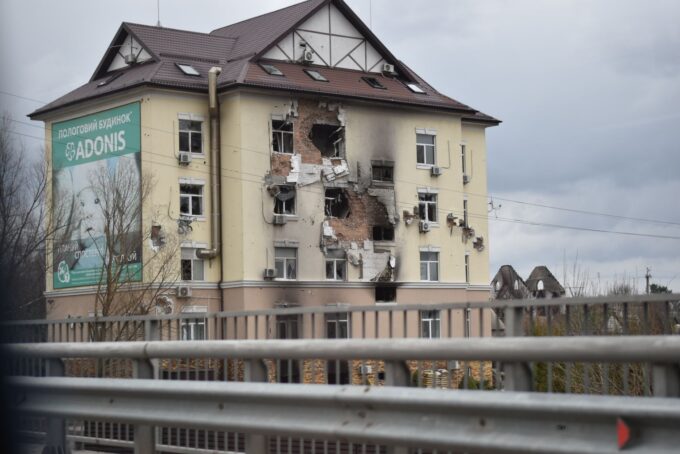
Ukraine Launches Largest-Ever Drone Attack on Moscow
Over 1,000 drones were deployed in a significant escalation of the Ukraine...
2 Mins read
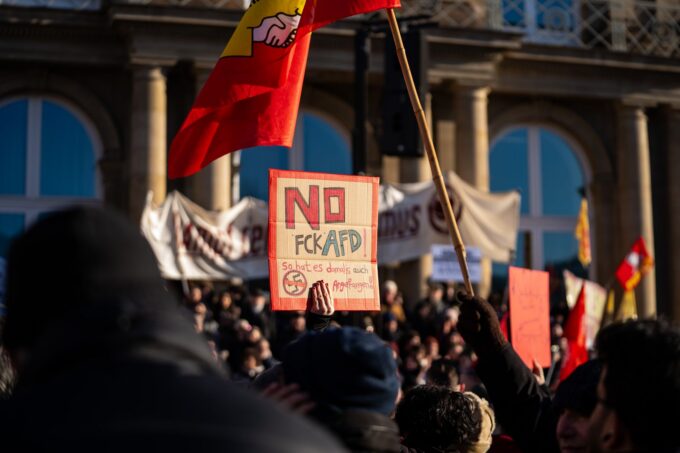


Germany’s Far-Right AfD Leads in State Election, Signaling Political Shift
The Alternative for Germany (AfD) party has emerged as a frontrunner in...
2 Mins read

Leave a comment