
Evacuations Urged as Typhoon Dujuan Strikes Japan
TOKYO — September 21, 2026
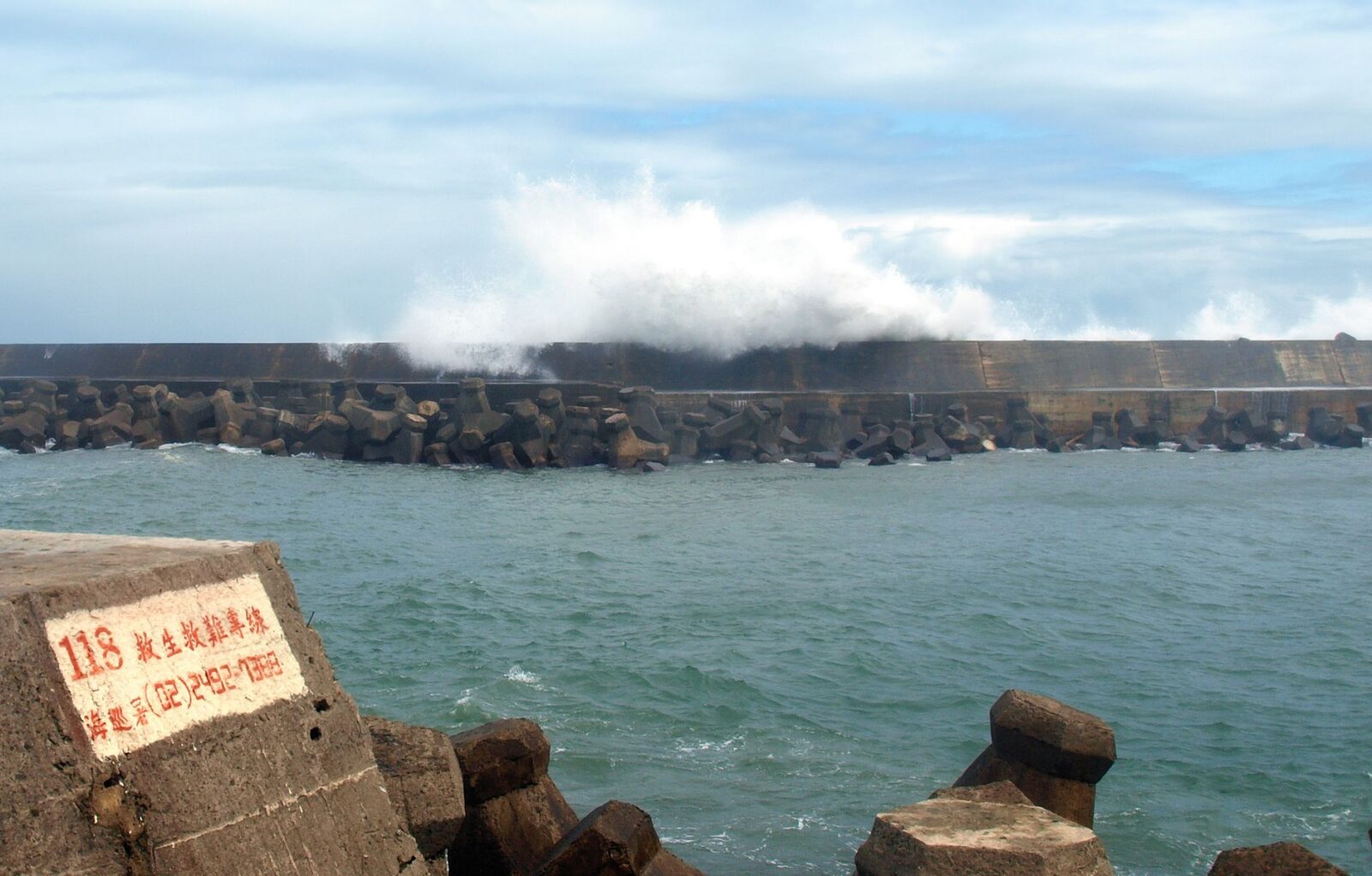
In a critical public safety development, millions of residents across Japan are being urged to evacuate as Typhoon Dujuan makes landfall. The Japan Meteorological Agency (JMA) has issued severe weather warnings, indicating that the typhoon, classified as a powerful storm, is expected to bring heavy rainfall, strong winds, and potential flooding to various regions.
As of this morning, the typhoon was reported to be approaching the southern islands of Kyushu and Shikoku, with winds reaching speeds of up to 180 kilometers per hour (approximately 112 miles per hour). The JMA has advised local authorities to prepare for emergency evacuations, particularly in areas prone to landslides and flooding.
The evacuation orders affect millions, particularly in coastal areas and low-lying regions. Local governments have set up evacuation centers and are mobilizing emergency services to assist residents in the affected areas. The urgency of these measures is underscored by the typhoon’s trajectory, which is expected to move northeast across the main islands of Honshu and Hokkaido over the next 48 hours.
This situation is exacerbated by Japan’s recent history with severe weather events, including Typhoon Hagibis in 2019, which caused widespread destruction and loss of life. The JMA’s proactive stance in issuing warnings and evacuation orders reflects lessons learned from past disasters, emphasizing the importance of preparedness in mitigating the impact of such natural calamities.
Typhoon Dujuan’s development has drawn significant attention both locally and internationally, as Japan is known for its rigorous disaster preparedness protocols. The government has mobilized resources, including the Self-Defense Forces, to assist in evacuation efforts and provide aid to those affected by the storm.
As the situation unfolds, the immediate focus remains on ensuring the safety of residents. The JMA continues to monitor the typhoon’s path and intensity, providing updates as necessary. The potential for significant rainfall raises concerns about flooding and landslides, particularly in mountainous regions.
Looking ahead, the next steps will involve ongoing assessments of the storm’s impact and the effectiveness of evacuation efforts. Local governments are expected to conduct damage assessments post-storm, and emergency response teams will remain on high alert to address any immediate needs arising from the typhoon’s aftermath.
The implications of Typhoon Dujuan extend beyond immediate safety concerns, as the storm could disrupt transportation, commerce, and daily life across Japan. The government’s response will be closely scrutinized, as public safety and disaster management remain paramount in the face of such natural threats.
Source: BBC









Ramaphosa Calls for Collective Action Against Gender-Based Violence
South African President Cyril Ramaphosa urges men to take a stand against...
 2 Mins read

Shooting Incident Involving ICE Agent Sparks Protests in Austin, Texas
An ICE agent shot a man in Austin, Texas, leading to public...
2 Mins read
World Leaders Convene at UN to Address Climate Change and AI Challenges
Global leaders gather at the United Nations to tackle pressing issues of...
1 Mins read



Dengue-Carrying Mosquitoes Expand Their Reach into Florida
The emergence of dengue-carrying mosquitoes in Florida raises significant public health concerns.
2 Mins read

Leave a comment