
Hurricane Polo Escalates to Category 5 Near Baja California

BAJA CALIFORNIA — September 22, 2026
Hurricane Polo has dramatically intensified into a Category 5 hurricane as it approaches the Baja California peninsula, prompting urgent public safety warnings and preparations across the region. The storm reached this critical classification late on September 22, 2026, as it was fueled by the ongoing El Niño phenomenon, which has contributed to its rapid escalation.
The National Hurricane Center (NHC) confirmed the storm’s status, noting that Hurricane Polo’s maximum sustained winds have reached 160 miles per hour. This level of intensity poses a significant threat to coastal communities, infrastructure, and the environment in Baja California, where residents are bracing for potential catastrophic impacts.
As of the latest reports, the hurricane is situated approximately 200 miles southwest of Cabo San Lucas, a popular tourist destination. Local authorities have begun implementing emergency protocols, including evacuation orders for vulnerable areas and the mobilization of emergency services to prepare for the storm’s landfall.
The escalation of Hurricane Polo is attributed to a combination of warm ocean waters and favorable atmospheric conditions linked to El Niño, which has been active this year. This climatic phenomenon is known to enhance the intensity and frequency of tropical storms in the Eastern Pacific, raising concerns among meteorologists and disaster response teams.
In light of this development, the Mexican government, alongside local agencies, has activated disaster response plans. The Secretary of the Navy has deployed naval vessels to assist in rescue operations and provide support to affected communities. Additionally, the Federal Electricity Commission is on high alert to address potential power outages caused by the storm.
The urgency of the situation is underscored by the potential for severe flooding, landslides, and wind damage, which could have lasting effects on the region’s economy and infrastructure. Baja California, known for its tourism and agriculture, faces significant risks as Hurricane Polo approaches.
This situation is receiving heightened attention not only due to the immediate threat to public safety but also because of the broader implications for climate change and its impact on hurricane patterns. Experts are increasingly concerned about the frequency of such intense storms, which could become more common as global temperatures rise.
Looking ahead, meteorologists will continue to monitor Hurricane Polo’s trajectory and intensity. Residents in affected areas are advised to stay informed through official channels and adhere to evacuation orders if issued. The next 48 hours will be critical as the storm approaches land, and further updates from the NHC are expected as conditions evolve.
Source: Sacramento Bee








Suspect in Yom Kippur Shooting Outside Ontario Synagogue Dies from Injuries
The suspect involved in a shooting incident at a synagogue on Yom...
 1 Mins read
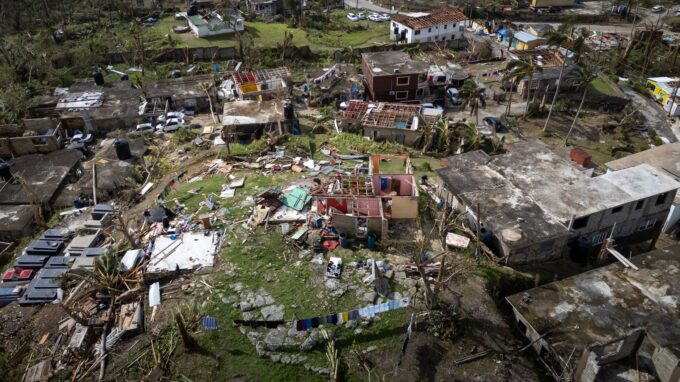
California Declares Emergency as Hurricane Polo Intensifies to Category 5
The declaration of an emergency in California highlights significant public safety concerns...
2 Mins read

Hurricane Polo Intensifies to Category 5, Flash Flood Emergency Declared
Hurricane Polo has rapidly intensified to Category 5 status, prompting a Flash...
1 Mins read
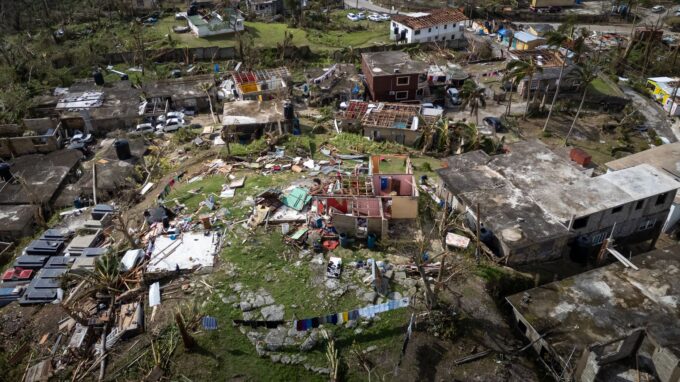


Long Beach Declares Local Emergency Amid El Niño and Hurricane Marie Damage
The city of Long Beach has declared a local emergency following significant...
2 Mins read

Leave a comment