
Missouri Congressional Map Dispute Reaches US Supreme Court for Third Time
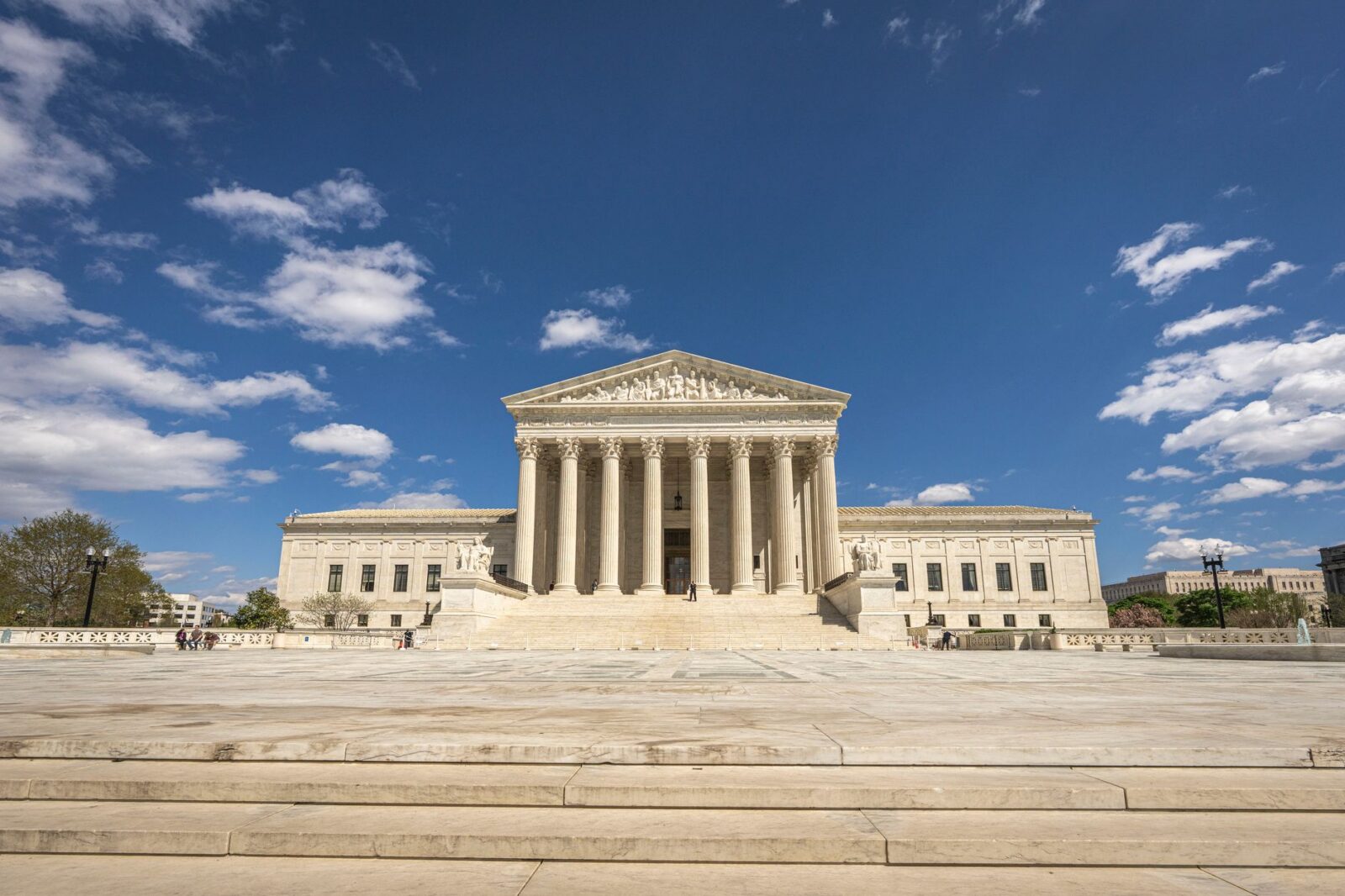
JEFFERSON CITY — September 23, 2026
The contentious dispute over Missouri’s congressional map has escalated, reaching the United States Supreme Court for the third time. This legal battle, which has significant implications for electoral representation and redistricting processes, was confirmed in a report by Reuters on September 23, 2026.
The case centers on allegations that the current congressional map, drawn in 2021, violates the Voting Rights Act by diluting the voting power of minority communities. The Missouri Supreme Court previously ruled against the map, citing concerns over fairness and representation. However, the state legislature, dominated by the Republican Party, has defended the map, arguing that it adheres to legal standards and reflects the state’s demographic realities.
This latest appeal to the Supreme Court comes after a series of lower court rulings that have failed to resolve the issue definitively. The Supreme Court’s decision to hear the case indicates the potential for a landmark ruling that could redefine the parameters of redistricting and electoral fairness in Missouri and beyond.
Key players in this dispute include Missouri’s Secretary of State, who oversees the electoral process, and various advocacy groups representing minority voters. The case has drawn national attention, with organizations like the NAACP and the American Civil Liberties Union (ACLU) actively participating in the legal proceedings to advocate for equitable representation.
The trigger for this renewed legal action stems from ongoing debates about gerrymandering and its impact on electoral outcomes. Critics argue that the current map disproportionately favors Republican candidates, while supporters maintain that it accurately reflects the state’s political landscape.
The implications of this case extend beyond Missouri, as it could set a precedent for how congressional maps are drawn across the United States. The Supreme Court’s ruling could influence similar cases in other states grappling with allegations of gerrymandering and voter disenfranchisement.
As the Supreme Court prepares to hear arguments, the timeline for a decision remains uncertain. Legal experts anticipate that the Court’s ruling could come in early 2027, potentially reshaping the political landscape ahead of the next election cycle.
This development matters significantly as it underscores the ongoing struggle for fair representation in the electoral process, a cornerstone of democratic governance. The outcome of this case could either reinforce or challenge the current practices of redistricting, impacting millions of voters in Missouri and setting a critical precedent for future electoral maps nationwide.
Source: Reuters




Trump’s Approval Ratings Hit Record Low Ahead of Midterms
A new poll reveals Donald Trump's approval rating at a historic low,...
 2 Mins read
Trump’s Approval Rating Declines to 39% Ahead of Midterms
The latest polls indicate a significant drop in Donald Trump's approval rating,...
1 Mins read
Supreme Court Hears Arguments on Oil Companies’ Liability for Climate Change Costs
The Supreme Court is deliberating on whether oil companies can be held...
1 Mins read
Trump’s Approval Rating Plummets to 39%, Signaling Shift in Public Sentiment
The latest approval ratings reveal a significant decline for Trump, raising questions...
1 Mins read
Leave a comment