
Pinellas County Joins Emergency Declarations Amid Dengue Fever Outbreak
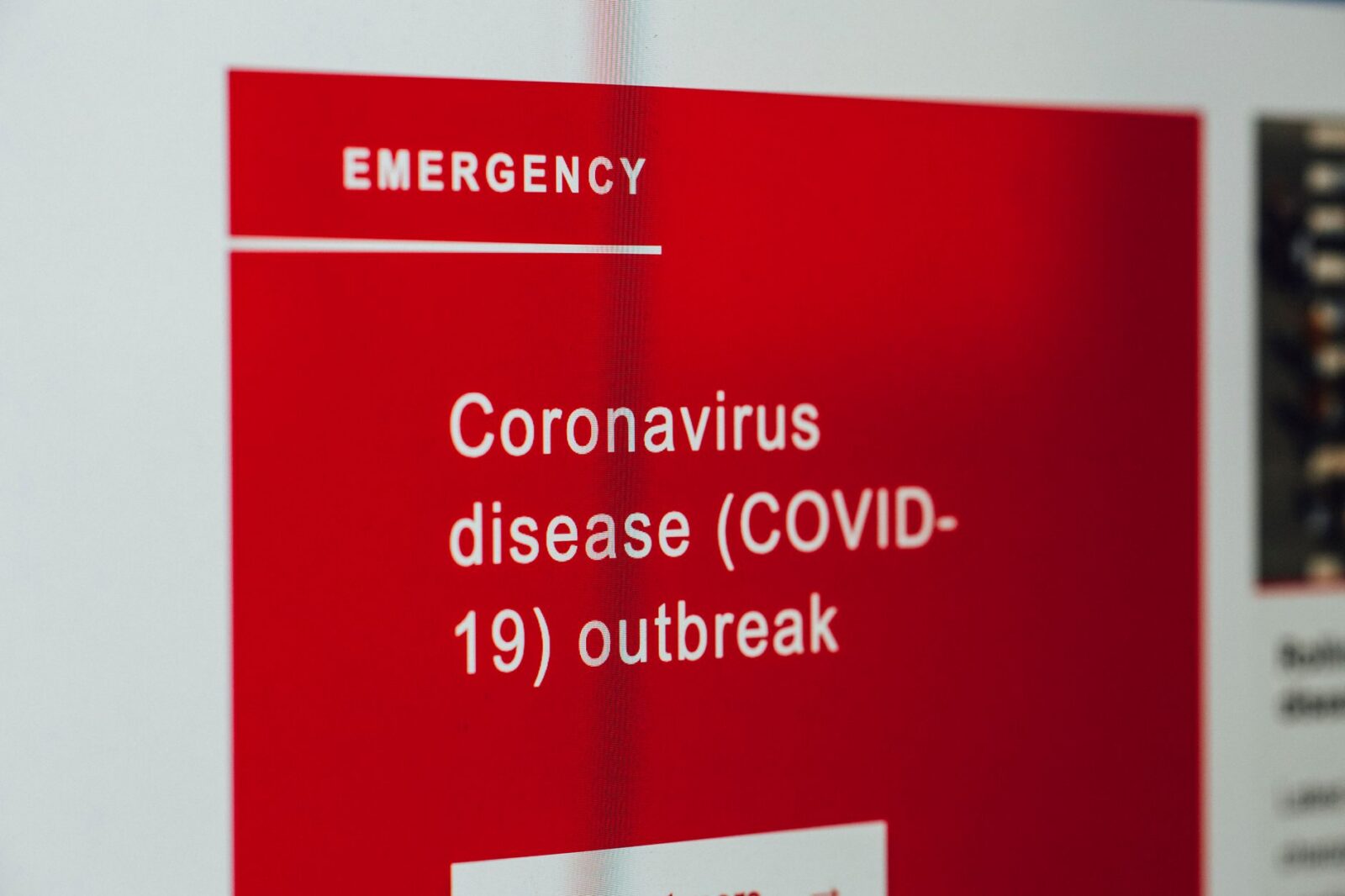
PINELLAS COUNTY — September 25, 2026
In a significant public health development, Pinellas County has officially joined the emergency declarations regarding a dengue fever outbreak that has been affecting the Tampa Bay area. This decision was confirmed today, September 25, 2026, as local health officials respond to rising concerns over the mosquito-borne illness.
The outbreak has raised alarms due to the potential health risks associated with dengue fever, which can lead to severe flu-like symptoms and, in some cases, can escalate to more serious conditions such as dengue hemorrhagic fever. The emergency declaration aims to mobilize resources and enhance public health responses to mitigate the spread of the virus.
Context
Dengue fever is transmitted primarily through the Aedes aegypti mosquito, which thrives in tropical and subtropical climates. Historically, Florida has faced sporadic outbreaks, particularly in areas with high mosquito populations. The current outbreak is part of a broader trend observed in recent years, where climate change and urbanization have contributed to the proliferation of mosquito habitats.
Details
The emergency declaration in Pinellas County follows similar actions taken by neighboring counties, including Hillsborough and Pasco, which have also reported cases of dengue fever. Local health departments are now tasked with increasing public awareness campaigns, enhancing mosquito control efforts, and providing resources for residents to protect themselves from mosquito bites.
As of today, health officials have confirmed multiple cases of dengue fever in the region, although specific numbers have not been disclosed. The Florida Department of Health is closely monitoring the situation and has urged residents to take preventive measures, such as eliminating standing water and using mosquito repellent.
Significance
This outbreak is receiving heightened attention not only due to its immediate health implications but also because it underscores the ongoing challenges posed by vector-borne diseases in Florida. The state’s warm climate and increasing urban density create ideal conditions for mosquito breeding, making public health responses critical in preventing further outbreaks.
What Happens Next
In the coming days, public health officials are expected to ramp up their efforts to control mosquito populations and educate the public on prevention strategies. Community meetings may be held to inform residents about the risks associated with dengue fever and the steps they can take to protect themselves. Additionally, ongoing surveillance will be crucial in tracking the spread of the virus and ensuring timely responses to any new cases that may arise.
Source: Real Radio 92.1




Coast Guard Intensifies Search for Missing Medical Transport Jet
The U.S. Coast Guard is actively searching for a missing medical transport...
 2 Mins read
Cornell University President Addresses Disturbing Gang Rape Allegations, Commits to Transparency
Cornell University’s president has issued a statement regarding serious gang rape allegations,...
1 Mins read
Co-Pilot Assaults Captain with Axe on Flydubai Flight: A Disturbing Incident Raises Safety Concerns
A Flydubai co-pilot attacked the captain with an axe, prompting investigations into...
1 Mins read
U.S. Coast Guard Locates Debris from Missing Plane Off Nantucket
The U.S. Coast Guard has confirmed the discovery of debris from a...
2 Mins read
Leave a comment