
El Niño Offers Hope for Snowpack Recovery in the Western United States
MIAMI — October 1, 2026
Recent discussions surrounding the potential impact of El Niño conditions on snowpack recovery in the Western United States have garnered significant public interest. As the region prepares for the winter season, the prospect of increased snowfall due to these climatic patterns could play a vital role in addressing ongoing water resource challenges.
El Niño, characterized by the periodic warming of ocean surface temperatures in the central and eastern Pacific, is known for its ability to influence weather patterns across North America. The current forecasts suggest that this phenomenon could lead to above-average precipitation in the West, which is critical for replenishing snowpack levels that have been adversely affected by prolonged drought conditions in recent years.
The National Oceanic and Atmospheric Administration (NOAA) has indicated that the onset of El Niño is expected to enhance winter storms, particularly in the Sierra Nevada and Rocky Mountain regions. These areas are crucial for water supply, as they rely on snowpack to provide runoff during the warmer months. According to NOAA’s Climate Prediction Center, there is a 70% chance of a strong El Niño developing this winter, which could result in significant snowfall.
Historically, El Niño events have been associated with wetter winters in the West, but the extent of their impact can vary. For instance, during the 2015-2016 El Niño, California experienced one of its wettest winters on record, leading to substantial improvements in water reservoirs. Conversely, not all El Niño years yield the same results, and the variability of weather patterns remains a concern for water resource management.
The implications of improved snowpack levels are profound. Increased snow accumulation not only supports agricultural needs but also aids in hydropower generation and ecosystem health. Water scarcity has been a pressing issue, affecting millions of residents and agricultural sectors across the West. As such, the potential for recovery in snowpack levels is a matter of both local and national significance.
As discussions continue, stakeholders, including state water agencies and agricultural organizations, are closely monitoring the situation. The upcoming months will be critical in assessing the actual impact of El Niño on snowfall and subsequent water resource availability. Should the forecasts hold true, the West may see a much-needed reprieve from drought conditions, but the unpredictability of weather patterns necessitates cautious optimism.
In conclusion, the anticipated El Niño conditions present a hopeful outlook for snowpack recovery in the Western United States. As the winter approaches, the focus will be on how these climatic changes unfold and their potential to alleviate ongoing water resource challenges.
Source: The Weather Channel






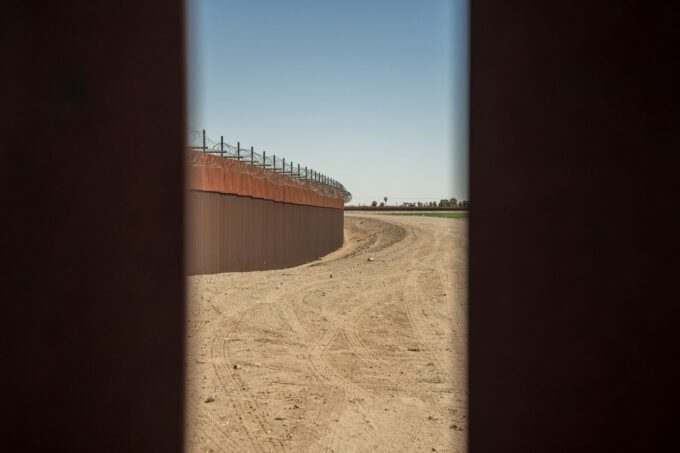
Judge Blocks Trump Administration from Restarting Border Wall Construction in Texas National Park
A federal judge has issued a ruling that halts the Trump administration's...
 2 Mins read
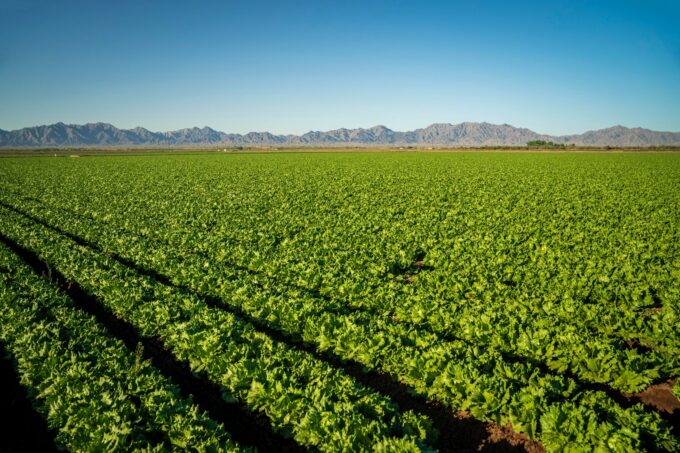
Cyclospora Detected at Mexican Farm Linked to Lettuce Outbreak
The FDA has confirmed the presence of Cyclospora at a Mexican farm,...
1 Mins read
Christa Pike Unconscious After Botched Lethal Injection Raises Ethical Concerns
The botched execution of Christa Pike on October 3, 2026, has ignited...
2 Mins read


Legal and Ethical Questions Arise Following Christa Pike’s Botched Execution
The botched execution of Christa Pike raises significant legal and ethical questions...
2 Mins read

Leave a comment