
Unsealed Documents Reveal Details of Cornell Fraternity Rape Investigation
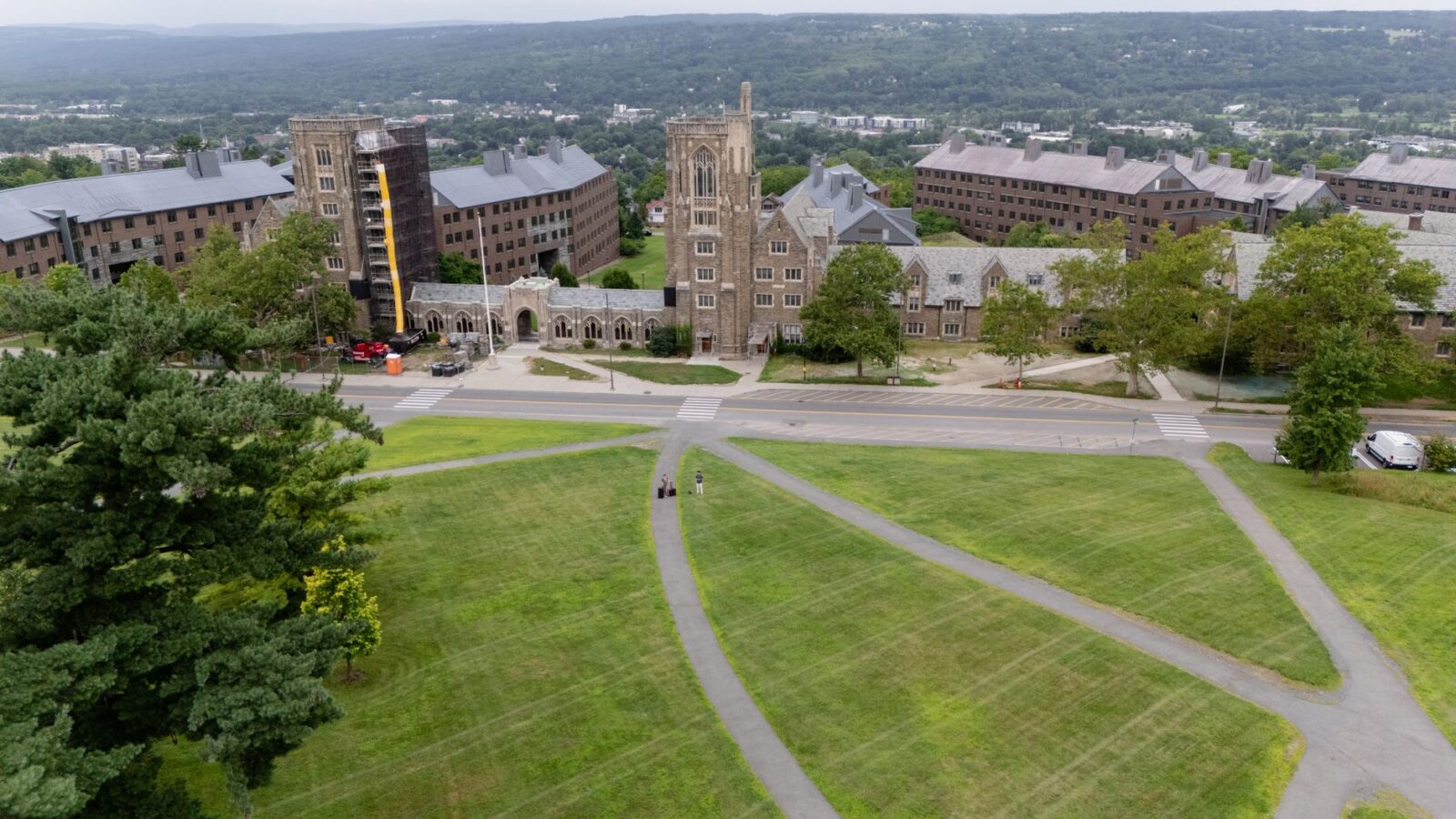
ITHACA, NY — October 2, 2026
Unsealed documents related to an ongoing investigation into an alleged rape at a Cornell University fraternity house have surfaced, revealing troubling details that underscore the complexities of campus safety and legal accountability. The documents, made public on October 2, 2026, provide insight into the allegations and the university’s response, sparking renewed discussions about sexual assault on college campuses.
The investigation centers around an incident reported to have occurred in the early hours of September 15, 2026, at the Sigma Alpha Epsilon fraternity house. According to the unsealed documents, the alleged victim reported that she was sexually assaulted by multiple individuals during a party. The documents detail the initial police response and the subsequent actions taken by university officials, including the suspension of the fraternity pending the outcome of the investigation.
Key players in this situation include the alleged victim, the fraternity members involved, Cornell University administration, and local law enforcement. The university has stated its commitment to ensuring a safe environment for all students and has pledged to cooperate fully with the investigation. However, the handling of the case has drawn scrutiny from various advocacy groups and members of the campus community, who are calling for greater transparency and accountability.
The trigger for the release of these documents appears to be a legal challenge from media organizations seeking access to public records related to the case. This has led to a broader conversation about the balance between privacy for the individuals involved and the public’s right to know about incidents that could impact campus safety.
This story is receiving heightened attention now due to the ongoing national discourse surrounding sexual assault on college campuses, particularly in light of recent high-profile cases that have prompted calls for reform in how such allegations are handled. The implications of this investigation extend beyond Cornell, as they resonate with similar cases at universities across the United States, highlighting systemic issues in addressing sexual violence.
Locally, the investigation raises pressing questions about the effectiveness of Cornell’s policies and procedures regarding sexual misconduct. Nationally, it contributes to a growing body of evidence that suggests many institutions struggle to adequately address these serious allegations, often leading to a lack of trust among students and advocacy groups.
Looking ahead, the next steps will likely involve further legal proceedings as the investigation continues. Cornell University is expected to release additional statements as the situation develops, and there may be calls for policy changes regarding fraternity oversight and sexual assault reporting procedures. The outcome of this case could set important precedents for how similar allegations are managed in the future, potentially influencing legislation and institutional policies across the country.
Source: The Washington Post




Recall of Popular Eye Drops Sold at Walgreens Over Sterility Concerns
A significant recall of eye drops sold at Walgreens has been announced...
 1 Mins read
FlyDubai Captain Describes Life-or-Death Cockpit Attack on Tel Aviv-Bound Flight
A FlyDubai captain recounts a harrowing cockpit attack, raising urgent concerns about...
2 Mins read
Fifth Measles-Related Death Reported in Pennsylvania Amid Outbreak
The recent measles outbreak in Pennsylvania has escalated with the confirmation of...
2 Mins read
Measles Outbreak Expected to Spread in Pennsylvania as Health Officials Brace for Impact
Health officials in Pennsylvania are preparing for a potential escalation of a...
1 Mins read
Leave a comment