
Grand Jury Declines to Charge in Nolan Wells Case

MIAMI — October 3, 2026
A grand jury has officially ruled that no criminal charges will be filed in the case surrounding the death of Nolan Wells, a decision announced on October 3, 2026. This development has sparked considerable public interest and debate regarding accountability in similar cases.
Nolan Wells, a 29-year-old resident of Miami, was found deceased under circumstances that raised questions about potential foul play. The grand jury’s decision comes after a thorough investigation into the events leading to his death, which has been a focal point of community concern and media scrutiny.
The grand jury’s ruling was triggered by a combination of factors, including the evidence presented during the investigation and the legal standards required to bring charges. According to the report, which was made public on the same day, the evidence did not meet the threshold necessary to support criminal charges against any individuals involved.
This case has drawn attention not only due to the tragic nature of Wells’ death but also because it highlights broader issues of public safety and legal accountability in Miami. The decision has been met with mixed reactions from the community, with some expressing disappointment and others acknowledging the complexities involved in legal determinations.
In the wake of the grand jury’s announcement, local advocacy groups have called for increased transparency in the investigation process and have urged law enforcement to review protocols for handling similar cases. The implications of this ruling extend beyond the immediate community, raising questions about how such cases are managed at a national level, particularly in terms of public trust in the justice system.
As the community processes this decision, it is likely that further discussions will emerge regarding the need for reform in investigative practices and the legal framework surrounding cases of unexplained deaths. The absence of charges may lead to calls for legislative changes aimed at enhancing accountability and ensuring that similar situations are handled with greater scrutiny in the future.
Moving forward, stakeholders, including law enforcement agencies and community leaders, will need to engage in dialogue to address the concerns raised by this case. Future actions may include public forums, policy proposals, and potential legislative initiatives aimed at improving the investigative process and ensuring justice for victims and their families.









Flydubai Pilot Attempts Terrorist Attack with Cockpit Axe
A Flydubai pilot has been arrested following an attempted terrorist attack on...
 1 Mins read
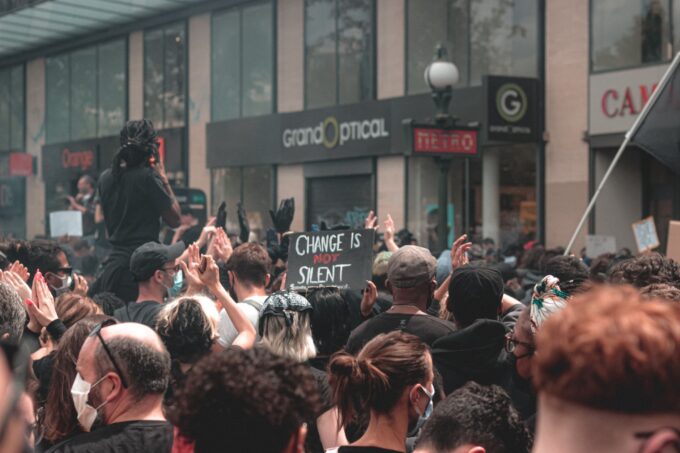
Clashes Erupt in France as High School Students Protest Education Funding Cuts
Ongoing protests in France highlight significant public safety issues related to education...
2 Mins read

Ethiopian Government Forces Retake Mekele Airport, Signaling Shift in Tigray Conflict
The recapture of Mekele airport marks a pivotal moment in the ongoing...
2 Mins read



FDA Concludes Investigation into Cyclospora Outbreak Linked to Taylor Farms Iceberg Lettuce
The FDA has officially concluded its investigation into a Cyclospora outbreak associated...
2 Mins read

Leave a comment