
The Unseen Narrative: John Wilson’s Exploration of Concrete
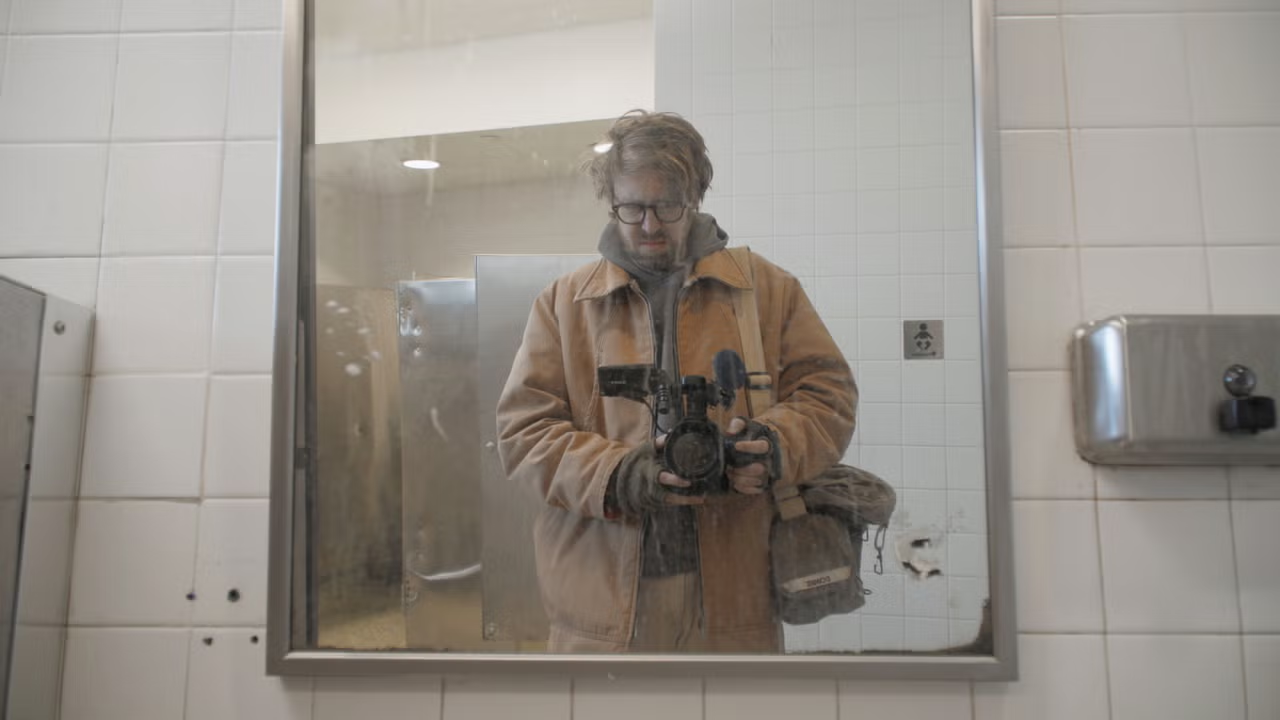
Beyond the Surface: A Journey with John Wilson
John Wilson’s debut feature documentary, The History of Concrete, is a masterclass in subverting expectations. Fans of his HBO series How To with John Wilson will recognize his penchant for humor and irony, yet this film dives deeper into a material that shapes our world in profound, often overlooked ways. While the title suggests a focus on the literal substance of concrete, Wilson instead employs it as a jumping-off point to explore themes of invisibility, distraction, and the very fabric of modern life.
Concrete: The Foundation of Modern Civilization
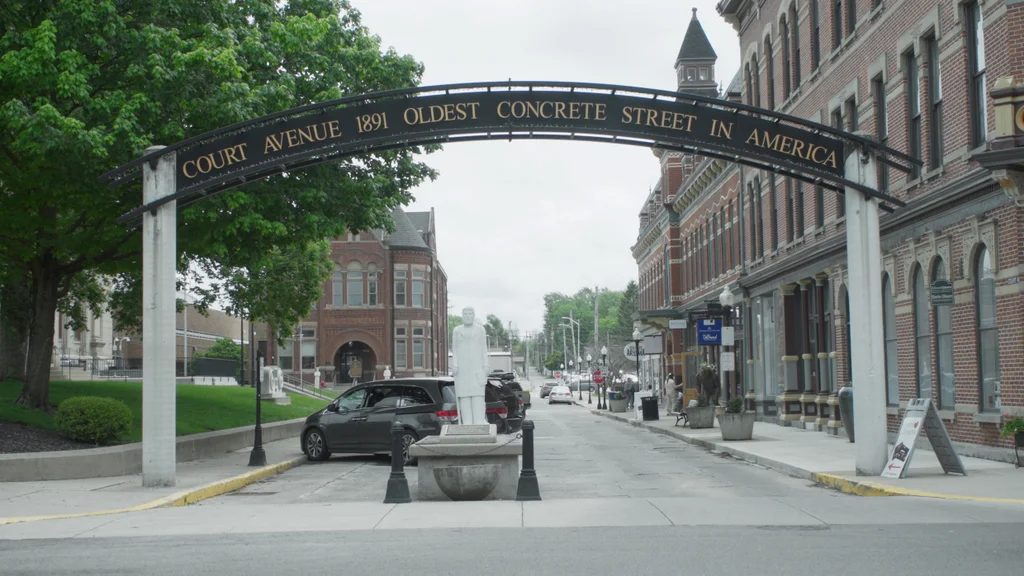
Concrete is more than just a building material; it is a cornerstone of contemporary infrastructure. The world produces an astounding 30 billion tons of concrete annually, a figure that dwarfs the production of any other building material. Yet, this ubiquitous substance, essential for everything from skyscrapers to seawalls, often goes unnoticed in our daily lives. Wilson’s film cleverly illustrates this paradox, drawing attention to the material’s silent yet omnipresent influence.
A Comic Lens on Serious Issues
In a signature Wilson touch, the documentary shifts abruptly from serious discussions about concrete to absurd, humorous vignettes. For instance, the film features a man who specializes in removing tattoos from the deceased, juxtaposing this with a New York park official’s comedic advice on pool maintenance. This technique mirrors our collective tendency to gloss over the importance of concrete in favor of more entertaining distractions. By doing so, Wilson subtly critiques our societal engagement—or lack thereof—with the very materials that underpin our existence.

Engagement and Neglect: The Duality of Concrete
The documentary also highlights the dangers of neglecting concrete’s significance. As Wilson interviews experts, including a former New York City traffic commissioner, the grim reality of deteriorating infrastructure emerges. The American Society of Civil Engineers has given U.S. civil infrastructure a dismal D+ rating, indicating widespread neglect and an urgent need for investment. Wilson’s refusal to linger on these alarming facts challenges viewers to confront their own complacency when it comes to infrastructure—an area of our lives that we often take for granted.
Concrete’s Complicated Legacy
Wilson’s exploration does not shy away from the darker implications of concrete’s history, particularly its environmental impact. Cement production alone accounts for approximately 8% of global carbon emissions, a stark reminder of the material’s dual nature as both a facilitator of modern life and a contributor to the climate crisis. Yet, the film also encapsulates the essential benefits that concrete provides, from clean water systems to robust transportation networks. This duality urges an examination of how we engage with the material that shapes our urban landscapes.
Reimagining Our Relationship with Concrete
As Miami continues to evolve, the relevance of Wilson’s insights cannot be overstated. The city faces unique challenges tied to climate change, with rising sea levels threatening its very existence. In this context, concrete emerges not merely as a construction medium but as a crucial component in the fight against environmental decline. Wilson’s narrative beckons us to reassess our relationship with concrete—recognizing its role in both our infrastructure and our everyday lives.
A Call to Awareness
Ultimately, Wilson’s film serves as a wake-up call. By encouraging viewers to engage more thoughtfully with the materials that surround them, he invites a broader conversation about infrastructure, sustainability, and civic responsibility. In Miami, where the stakes are particularly high regarding climate resilience, such discussions are not just academic—they are imperative for our collective future. As Wilson aptly puts it, in the realm of concrete, “you can do anything.” The challenge lies in seeing it, understanding it, and caring for it as we would the air we breathe or the water we drink.
Editorial note: This article was created by A Bit Lavish Miami’s Magazine as an original editorial reinterpretation based on publicly available reporting. Original source: fastcompany.com. Read the original article here: https://www.fastcompany.com/91616813/the-secret-message-of-john-wilsons-debut-feature-documentary-the-history-of-concrete.
Images are used for editorial reference with source credit. If an image requires correction or removal, please contact A Bit Lavish.









Federal Ban Threatens THC Beverage Boom
A new federal ban on THC beverages could disrupt the rapidly growing...
 2 Mins read
Ken Griffin Invests $2 Billion in New University in Miami
Ken Griffin's substantial investment in a new university in Miami signals a...
2 Mins read

Navigating the New Frontier of AI-Enhanced Scams: A Guide to Protecting Your Wealth
Discover how to safeguard yourself against sophisticated AI-driven scams with a comprehensive...
3 Mins read



$28 Billion Hemp THC Industry Faces Looming Federal Ban
The hemp THC industry, valued at $28 billion, is mobilizing against a...
2 Mins read

Leave a comment