
MIAMI — October 3, 2026
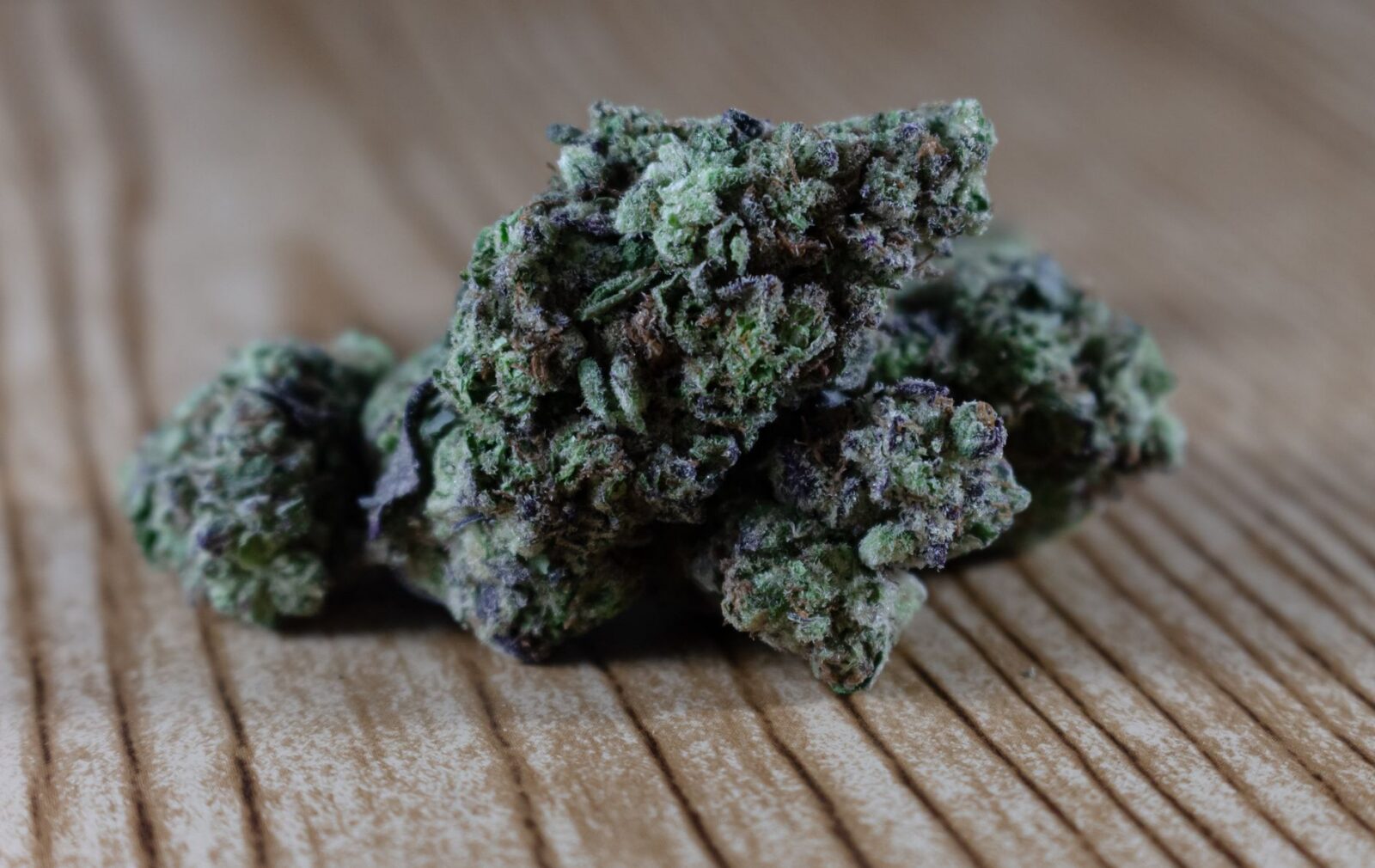
The burgeoning THC beverage market faces a significant regulatory challenge as a federal ban on THC-infused drinks has been proposed, threatening to upend a sector that has seen explosive growth in recent years. This development, reported by NPR on October 3, 2026, raises critical questions about the future of THC products in the United States.
The proposed ban comes amid increasing scrutiny from federal regulators over the safety and marketing of THC beverages, which have gained popularity among consumers seeking alternatives to traditional alcoholic drinks. The ban is expected to impact a wide range of companies that have invested heavily in the production and distribution of these products, including major players in the beverage industry and smaller craft producers.
Key stakeholders in the THC beverage market include companies like Cann, which has positioned itself as a leader in the sector, and other emerging brands that have capitalized on the growing consumer interest in cannabis-infused products. The market for THC beverages has reportedly reached over $1 billion in sales, reflecting a significant shift in consumer preferences and the potential for further growth.
The trigger for this federal ban appears to be concerns regarding the health implications of THC consumption, particularly in beverage form, and the lack of comprehensive regulatory frameworks governing these products. The Food and Drug Administration (FDA) has been under pressure to establish clear guidelines, but the absence of a cohesive regulatory approach has led to calls for a more stringent federal stance.
This story is receiving heightened attention now due to the impending deadline for regulatory decisions, which could reshape the landscape of the THC beverage market before the end of the year. As businesses prepare for potential disruptions, consumers are left wondering how this ban could affect their access to these products.
The implications of this ban extend beyond the immediate market. Locally, businesses in states where THC beverages are legal may face significant financial losses, while nationally, the ban could stifle innovation and investment in the cannabis sector. Regionally, states that have embraced cannabis legalization may find their markets destabilized, leading to broader economic consequences.
Looking ahead, the next steps will likely involve public hearings and lobbying efforts from industry stakeholders who oppose the ban. Companies may seek to challenge the regulatory framework through legal avenues, while consumer advocacy groups could mobilize to protect access to THC beverages. The outcome of these developments will be crucial in determining the future of the THC beverage market and its place within the broader cannabis industry.
Source: NPR









Ken Griffin Invests $2 Billion in New University in Miami
Ken Griffin's substantial investment in a new university in Miami signals a...
 2 Mins read

Navigating the New Frontier of AI-Enhanced Scams: A Guide to Protecting Your Wealth
Discover how to safeguard yourself against sophisticated AI-driven scams with a comprehensive...
3 Mins read

The Unseen Narrative: John Wilson’s Exploration of Concrete
Delve into John Wilson's debut documentary 'The History of Concrete,' where he...
3 Mins read


$28 Billion Hemp THC Industry Faces Looming Federal Ban
The hemp THC industry, valued at $28 billion, is mobilizing against a...
2 Mins read

Leave a comment