
Florida Faces Largest Dengue Outbreak in Decades with Over 250 Local Cases
MIAMI — October 3, 2026
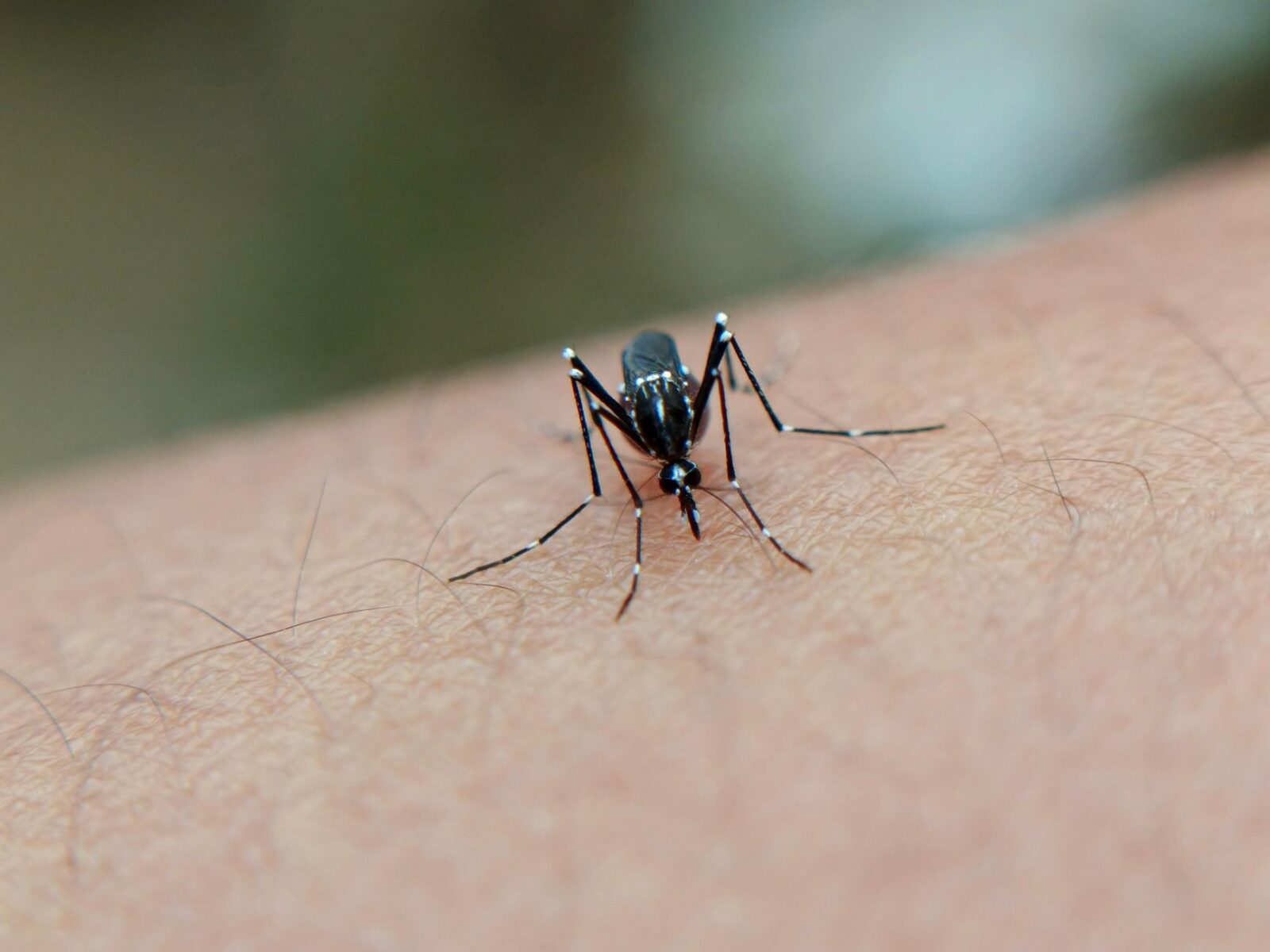
The state of Florida is currently facing a public health crisis as it experiences the largest dengue outbreak in decades, with over 250 confirmed local cases reported. This alarming development has raised concerns among health officials and the general public alike, as dengue fever, a mosquito-borne viral infection, poses serious health risks.
As of October 3, 2026, the Florida Department of Health has confirmed more than 250 cases of dengue fever, a significant increase that highlights the urgency of the situation. The outbreak is particularly notable as it marks the largest number of local cases recorded in the continental United States in recent history. Health officials are actively monitoring the situation and implementing measures to control the spread of the disease.
The outbreak has been triggered by a combination of factors, including increased mosquito populations due to favorable weather conditions and the presence of the Aedes aegypti mosquito, which is known to transmit the dengue virus. Public health experts emphasize that the rise in cases is a direct consequence of these environmental factors, compounded by the challenges of mosquito control in urban areas.
Local health authorities, including the Florida Department of Health and county health departments, are mobilizing resources to address the outbreak. This includes public awareness campaigns aimed at educating residents about preventive measures, such as eliminating standing water where mosquitoes breed and using insect repellent. Additionally, local governments are intensifying mosquito control efforts, including aerial spraying in affected areas.
The significance of this outbreak extends beyond Florida, as it raises concerns about the potential for similar outbreaks in other regions of the United States. The increasing incidence of dengue fever in non-endemic areas underscores the need for enhanced surveillance and preparedness in public health systems nationwide. Moreover, the outbreak has garnered national attention, prompting discussions about the implications of climate change on the spread of vector-borne diseases.
Looking ahead, health officials anticipate that the number of cases may continue to rise if preventive measures are not effectively implemented. The Florida Department of Health is expected to release further updates as the situation develops, and residents are urged to remain vigilant. The outbreak serves as a critical reminder of the importance of public health preparedness and the need for ongoing research into mosquito-borne diseases.
Source: CiberCuba








Major Protests Erupt Across Spain Over Housing Crisis
Tens of thousands of Spaniards took to the streets on October 3,...
 2 Mins read

Coast Guard Discovers Debris Field from Missing Medical Plane Near Nantucket
The Coast Guard has located debris from a medical plane that went...
2 Mins read

Cornell President Calls for Improved Handling of Sexual Assault Allegations
Cornell University President Martha Pollack emphasizes the need for better institutional responses...
2 Mins read



Yemen’s Army Claims Major Strikes Against Houthis Resulting in 700 Casualties
The Yemeni military has reported a significant escalation in its operations against...
2 Mins read

Leave a comment