
G7 Announces Release of 100 Million Barrels of Oil and Diesel
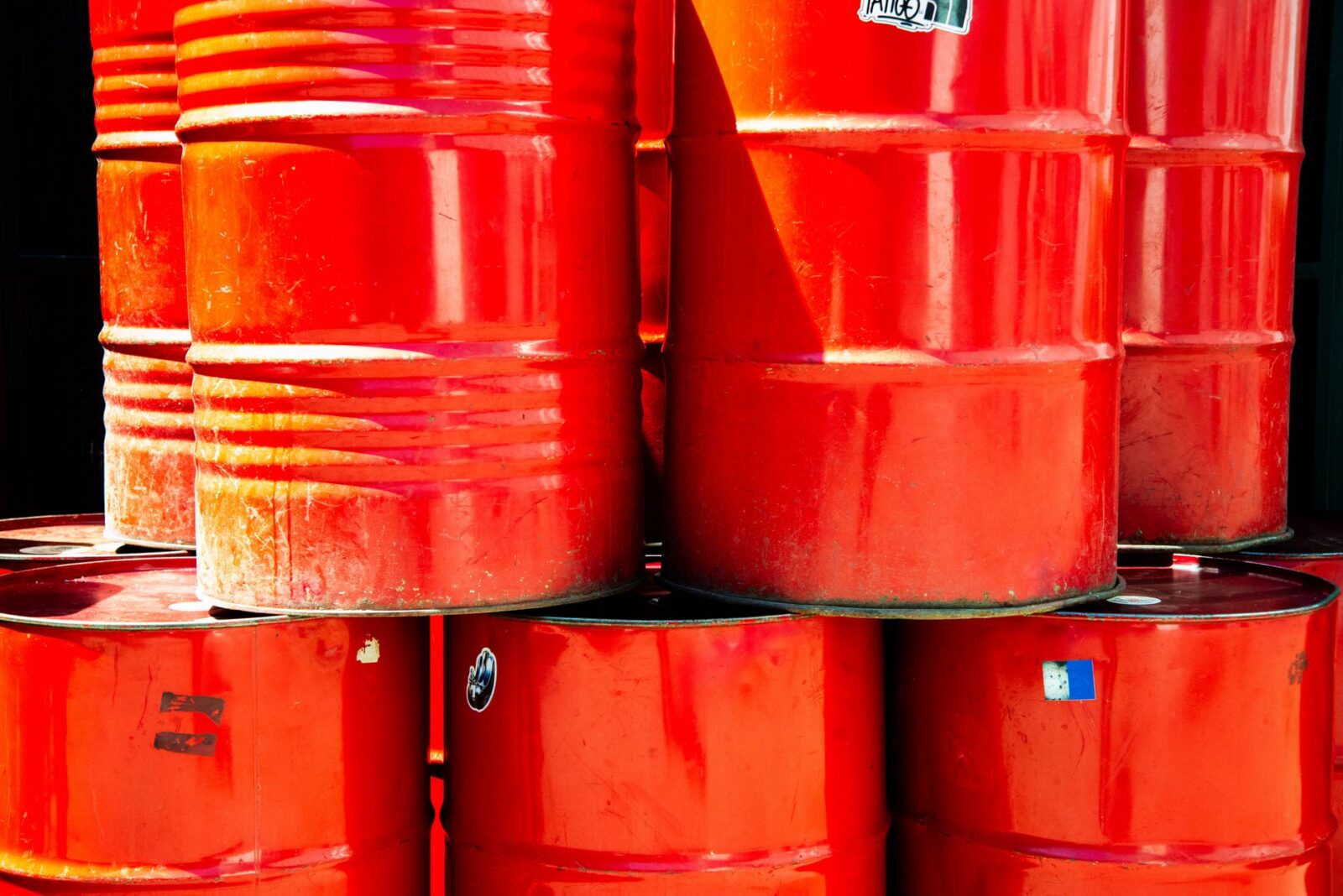
MIAMI — October 4, 2026
In a significant geopolitical and economic development, the Group of Seven (G7) nations announced on October 4, 2026, their decision to release 100 million barrels of oil and diesel from their strategic reserves. This move is aimed at curbing soaring energy prices that have been exacerbated by recent global supply chain disruptions and geopolitical tensions.
The announcement was made during a virtual summit attended by leaders from Canada, France, Germany, Italy, Japan, the United Kingdom, and the United States. The G7’s coordinated effort reflects a growing concern over the impact of high energy prices on global economic recovery, particularly in the wake of the COVID-19 pandemic and ongoing conflicts affecting oil-producing regions.
The decision to release these reserves comes in response to a sharp increase in oil prices, which have surged by over 30% in the past six months alone. This spike has been attributed to a combination of factors, including reduced output from OPEC+ countries, geopolitical instability in Eastern Europe, and increased demand as economies rebound from pandemic-related restrictions.
According to the U.S. Energy Information Administration (EIA), the average price of Brent crude oil has reached approximately $95 per barrel, prompting fears of inflation and economic stagnation. The G7’s intervention seeks to stabilize prices and reassure markets that supply will meet demand in the short term.
While the release of 100 million barrels is a substantial commitment, it is important to note that this figure represents only a fraction of the global daily oil consumption, which is estimated at around 100 million barrels. Therefore, the effectiveness of this measure in significantly lowering prices remains to be seen.
The G7’s decision is receiving heightened attention due to its potential implications for global energy markets and the broader economy. Analysts are closely monitoring how this release will influence oil prices in the coming weeks, particularly as winter approaches and energy demands typically increase.
Looking ahead, the G7’s actions may prompt other nations to consider similar measures, potentially leading to a more competitive global oil market. However, the long-term effectiveness of this strategy will depend on the resolution of underlying supply chain issues and geopolitical tensions that have contributed to the current crisis.
In conclusion, the G7’s release of 100 million barrels of oil and diesel is a bold step aimed at stabilizing energy prices and supporting economic recovery. As the situation unfolds, stakeholders across the globe will be watching closely to assess the impact of this significant intervention.
Source: Al Jazeera






Novig Sees 94% Surge in Trading Volume Following Sydney Sweeney Campaign
The prediction market platform Novig reports a significant increase in trading activity...
 2 Mins read
Hemp THC Industry Mobilizes Against Looming Federal Ban
The $28 billion hemp THC industry is facing a critical threat from...
2 Mins read
G7 Nations Agree to Release 100 Million Barrels of Oil and Diesel Fuel
The G7's decision to release significant oil reserves aims to stabilize global...
2 Mins read



Trump Signals End to Iran Conflict, Causing Oil Prices to Plummet
Former President Donald Trump's recent comments regarding the Iran conflict have led...
2 Mins read

Leave a comment