
Hurricane Isaias Makes Landfall in Florida, Downgraded to Tropical Storm

MIAMI — October 10, 2026
Hurricane Isaias made landfall on the eastern coast of Florida early this morning, bringing with it strong winds and heavy rainfall. As of 8:29 AM GMT, the storm was downgraded to a tropical storm after its initial landfall, but the impacts are still being felt across the region.
The storm made landfall near Cape Canaveral, Florida, at approximately 6:00 AM local time, with maximum sustained winds recorded at 70 mph. The National Hurricane Center (NHC) confirmed the downgrade shortly after landfall, indicating that while the storm’s intensity has decreased, it still poses significant risks due to flooding and storm surge.
Local authorities, including the Florida Division of Emergency Management, have been actively monitoring the situation and have issued warnings for coastal flooding and potential tornadoes in the storm’s path. Governor Ron DeSantis declared a state of emergency in anticipation of the storm’s impact, allowing for the mobilization of resources and assistance to affected areas.
The trigger for this development was the rapid intensification of Isaias as it approached the Florida coast, which was initially classified as a hurricane. The storm’s trajectory and potential impacts were closely monitored by meteorologists, leading to preemptive measures by state and local governments.
As of now, the primary interests at stake include public safety and infrastructure resilience. The Florida Power & Light Company has reported power outages affecting thousands of residents, and emergency services are on high alert to respond to any incidents related to the storm.
This story is receiving attention now due to the immediate threat posed by Hurricane Isaias, which follows a historically active hurricane season. The ongoing impacts of climate change and the increasing frequency of severe weather events have heightened public awareness and concern regarding storm preparedness and response.
The significance of this event extends beyond local implications; it serves as a reminder of the vulnerabilities faced by coastal communities in the face of climate change. Nationally, the storm’s impact could influence discussions on disaster preparedness and infrastructure investment, particularly in states prone to hurricanes.
Looking ahead, the NHC will continue to provide updates on the storm’s path and potential re-intensification as it moves inland. Local governments are expected to assess damage and begin recovery efforts as soon as conditions permit. Residents are advised to remain vigilant and heed warnings from emergency management officials as the storm continues to affect the region.
Source: BBC







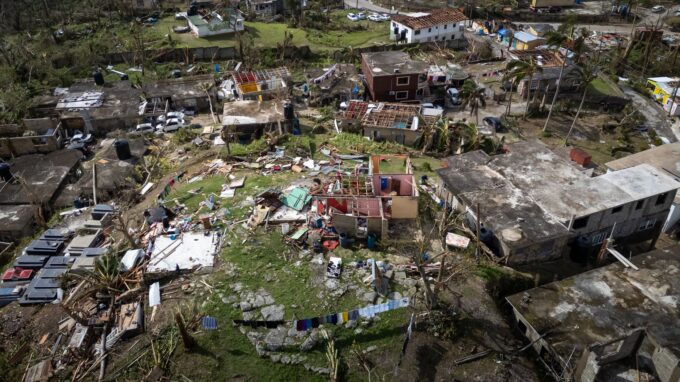
Escambia County Launches Recovery Efforts Following Hurricane Isaias
Escambia County officials have initiated recovery and rescue efforts in response to...
 1 Mins read
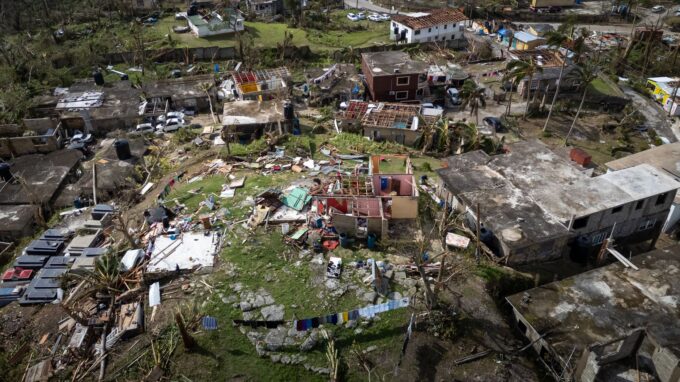
Hurricane Simon Strengthens to Category 4 as It Approaches Mexico’s Coast
Hurricane Simon has intensified to a Category 4 storm, raising significant public...
1 Mins read
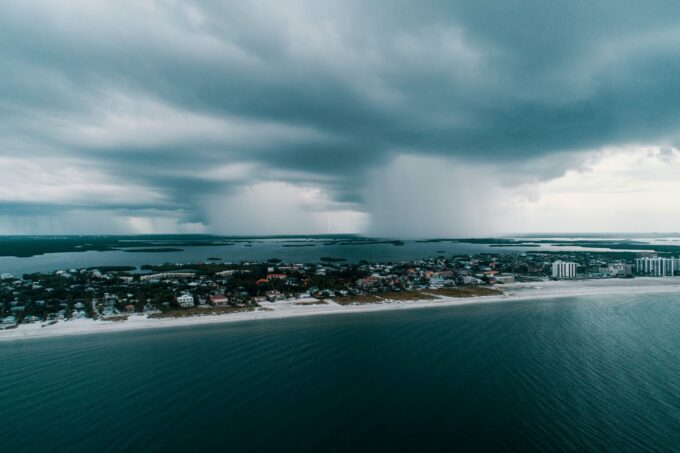
Hurricane Isaias Makes Landfall, Causing Widespread Destruction Across Gulf Coast and Northwest Florida
Hurricane Isaias has left a trail of destruction across multiple states, raising...
1 Mins read



Panama Faces Evacuations Following Significant Earthquakes and Aftershocks
Recent earthquakes in Panama have triggered evacuations and tsunami alerts, raising public...
1 Mins read

Leave a comment