
Hermès Q2 Sales Surge 9%, Continuing to Outperform Competitors
 ABLUpdated 1 year Ago2 Mins read367
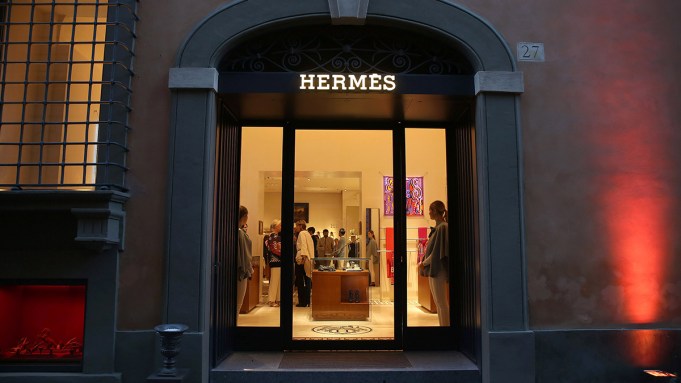
Hermès: A Beacon of Resilience in the Luxury Market
In a market where many luxury brands are grappling with challenges, Hermès stands out as a symbol of resilience and success. The French luxury house recently reported a remarkable 9 percent increase in second-quarter sales, reaching an impressive $4.4 billion (€3.9 billion). This growth not only surpassed analyst expectations but also positioned Hermès ahead of its global luxury competitors.
The Power of Iconic Products
At the core of Hermès’ success lies the enduring allure of its iconic products, particularly the Birkin and Kelly bags. These coveted status symbols continue to attract wealthy collectors, driving significant demand. The leather goods division of Hermès experienced a robust 12 percent organic growth in the first half of the year, a testament to the brand’s ability to maintain a supply-demand imbalance that keeps its products highly sought after.
Financial Performance and Market Position
Hermès’ operating income rose by 6 percent to $3.7 billion (€3.3 billion), further solidifying its position in the luxury sector. Notably, the brand recently eclipsed LVMH to become the most valuable luxury group by market capitalization for the first time, a significant milestone that underscores its dominance in the industry.
Challenges on the Horizon
Despite these impressive figures, Hermès is not without its challenges. Following the announcement of its earnings, shares dipped by 4 percent, reflecting broader investor caution amid a decline in entry-level luxury. Sales in Hermès’ silk and beauty departments fell by 4 percent, and executive chairman Axel Dumas acknowledged a decrease in aspirational shoppers and first-time clients. This trend raises concerns about the brand’s ability to attract new customers in an evolving market.
Regional Performance Insights
In the United States, where Hermès raised prices earlier this spring to counteract rising tariffs, sales still surged by more than 12 percent. This growth occurred despite new 15 percent levies announced under a recent EU-US trade pact. Dumas indicated that no further price hikes are planned for the immediate future, which may help sustain this momentum. Meanwhile, sales in the Asia-Pacific region rose moderately by 3 percent, even as luxury spending in China has seen a broader decline.
Long-Term Outlook in China
Dumas remains optimistic about the long-term potential of the Chinese luxury market, despite its sluggish performance since the pandemic. He sees no major shifts in consumer behavior and believes that the demand for luxury goods will eventually rebound. This perspective aligns with the sentiments expressed in the Financial Times, which highlights the ongoing challenges faced by luxury brands in the region.
Conclusion: A Steady Course Amidst Change
While many players in the upscale market are struggling with shifting consumer demands, Hermès has managed to maintain its course, buoyed by its tightly controlled supply, loyal high-end clientele, and iconic offerings. The demand for the Birkin bag, in particular, shows little sign of waning, reinforcing Hermès’ status as a leader in the luxury sector. As the brand navigates the complexities of the current market landscape, its ability to adapt while preserving its heritage will be crucial for sustaining its success in the years to come.









Discover the Newest Waterproof Gadgets that Come on Sale
I understand how that could positively effect your body, but alchemizing means...
ABL2 Mins read
Quiet Luxury Accessories Market Reaches Record High
The Rise of Quiet-Luxury Accessories: A Comprehensive Market Analysis In recent years,...
ABL2 Mins read

Consumer Harm is Escalating as Luxury Goods Sales Surge via Live Broadcasts on Platforms like Facebook and TikTok
Crackdown on Trademark Infringement in Live Broadcasting: A Growing Concern In recent...
ABL2 Mins read


Italian Regulators Criticize Luxury Brand Cucinelli for Russia Claims
Allegations Against Brunello Cucinelli: A Closer Look at the Controversy Shares in...
ABL2 Mins read
